China Evergrande founder Hui Ka Yan sentenced to life in prison
China Evergrande founder Hui Ka Yan was sentenced to life in prison by a Shenzhen court after pleading guilty to multiple charges including fraud and bribery.
- Headline: China Evergrande founder Hui Ka Yan sentenced to life in prison
- Dispatch Summary: China Evergrande founder Hui Ka Yan was sentenced to life in prison by a Shenzhen court after pleading guilty to multiple charges including fraud and bribery.
- Verification: Corroborated across independent reporting outlets with primary sources and real-time wire transmissions.
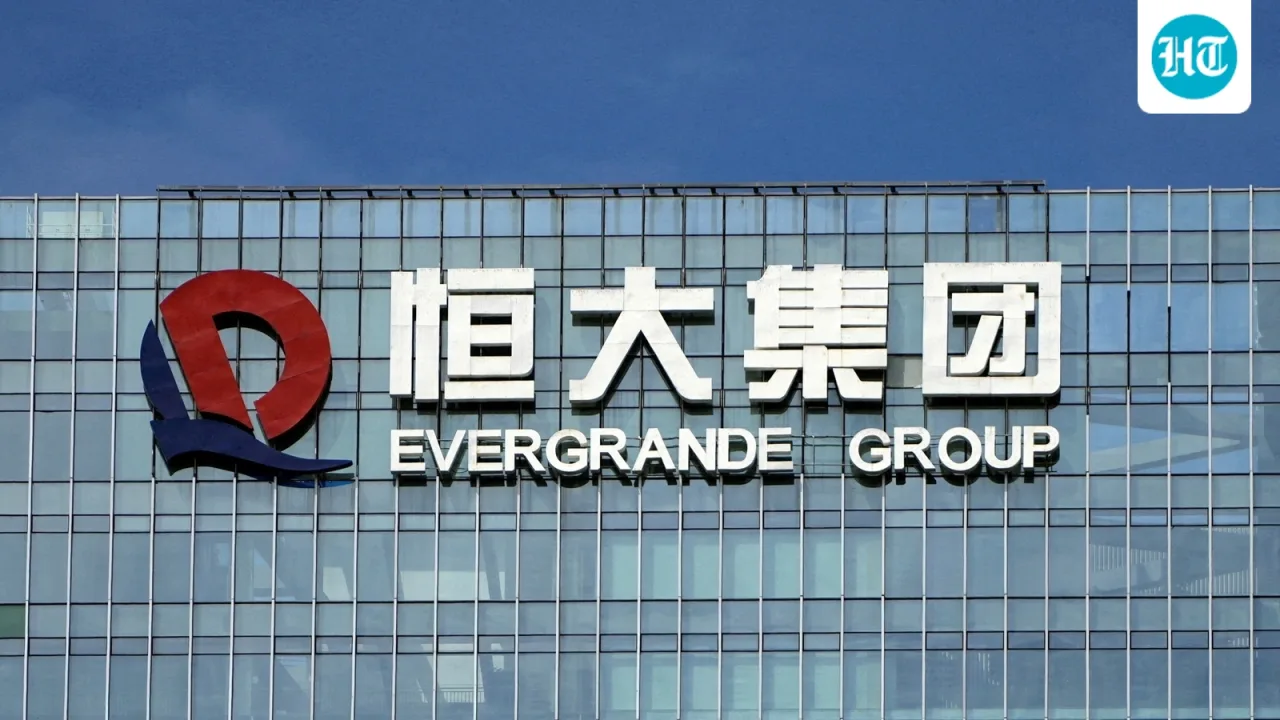
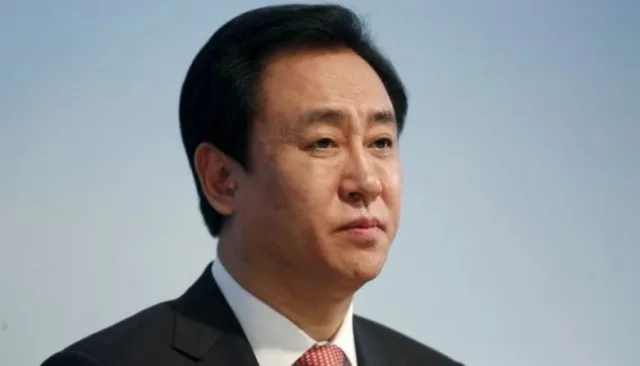
China Evergrande founder Hui Ka Yan was sentenced to life in prison by a Shenzhen court on August 20, 2026, marking the culmination of a legal and financial reckoning for the once-Asia’s richest man. The 67-year-old, who built Evergrande into the world’s most indebted property developer, pleaded guilty in April 2026 to eight charges including fraud, bribery, and misuse of funds, with the court citing “particularly huge amounts” of economic losses and “serious social harm” caused by his actions.
The sentencing followed five years of turmoil for Evergrande, which defaulted on roughly $300 billion in liabilities after years of aggressive debt-fueled expansion. The company’s collapse became a symbol of China’s protracted property crisis, which has weighed on economic growth, household confidence, and financial markets. Hui’s life term, along with fines of 8.82 billion yuan ($1.31 billion) for Evergrande and 7 billion yuan ($1.04 billion) for its subsidiary Hengda Real Estate, underscores the severity of the crimes. Five other senior executives received prison terms ranging from six to 18 years, while 56 individuals linked to the company were also sentenced, according to state media.
Hui, a former steel technician raised in a rural village in Henan province, rose to prominence through Evergrande’s rapid expansion. The company, which became China’s largest property developer by contracted sales, grew by leveraging low-cost housing strategies and aggressive borrowing. At its peak in 2017, Hui’s net worth reached $45.3 billion, making him Asia’s richest person. However, his reliance on debt ultimately led to the company’s downfall. A Hong Kong court ordered Evergrande’s liquidation in 2024, and the firm was delisted from the Hong Kong Stock Exchange in 2025.
The liquidation process has progressed slowly, with only $255 million in assets sold as of August 2025, compared to creditors’ claims of $45 billion. Liquidators are also pursuing Hui and his former spouse in overseas courts to recover $6 billion in dividends and remuneration paid to executives. China’s securities regulator had previously fined Hui $6.6 million in 2024 and barred him from the securities market for life, citing earnings inflation and securities fraud by Evergrande’s flagship unit.
The court’s statement emphasized the “egregious circumstances” of Hui’s crimes, noting that his actions “caused particularly significant economic losses.” Social media reactions from Evergrande homeowners highlighted public frustration, with comments such as “All ordinary citizens have paid the cost” and “What about our money?” The founder’s sentencing ends a rags-to-riches-to-prison arc, but creditors remain uncertain about recovering their losses. Hui’s personal property was ordered confiscated, though his assets outside China remain a target for liquidators.
Hui’s legal troubles began in 2023, when Chinese authorities detained him following Evergrande’s default. His public appearances dwindled, and he was last seen in court in a navy-blue collared shirt, flanked by officers. Earlier in 2021, he had been photographed at Tiananmen Square during the Chinese Communist Party’s centenary celebrations, a moment that now appears starkly contrasted with his current predicament. His business strategies, which included ventures into electric vehicles and soccer—aligning with President Xi Jinping’s priorities—were once seen as emblematic of China’s economic ambition. However, his debt-laden model drew regulatory scrutiny, with officials warning of risks of contagion in 2020.
Evergrande’s collapse triggered protests by investors who lost savings through wealth-management products, further destabilizing the property sector. Hui’s legacy is now defined by the fallout from his company’s failure, which has left a lasting mark on China’s economy. Despite the life sentence, the path to recovery for creditors remains uncertain, as the liquidation process continues at a glacial pace. For Hui, the verdict concludes a dramatic chapter in China’s real estate history, one that reflects both the excesses of its property boom and the consequences of its reckoning.
How significant is this wire dispatch?
Cast your anonymous vote to register reader consensus across journalism and intelligence sectors.
Dateline Wire is dedicated to independent, evidence-backed reporting. This briefing was synthesized from primary source reporting, corroborated across independent newsrooms, and verified against our Editorial Standards.