Verstappen trusts F1 chiefs over plan to proceed with Middle East races
Max Verstappen has shifted his stance on F1 racing in the Middle East, deferring to officials as the sport confirms its season-ending schedule in Qatar and Abu Dhabi.
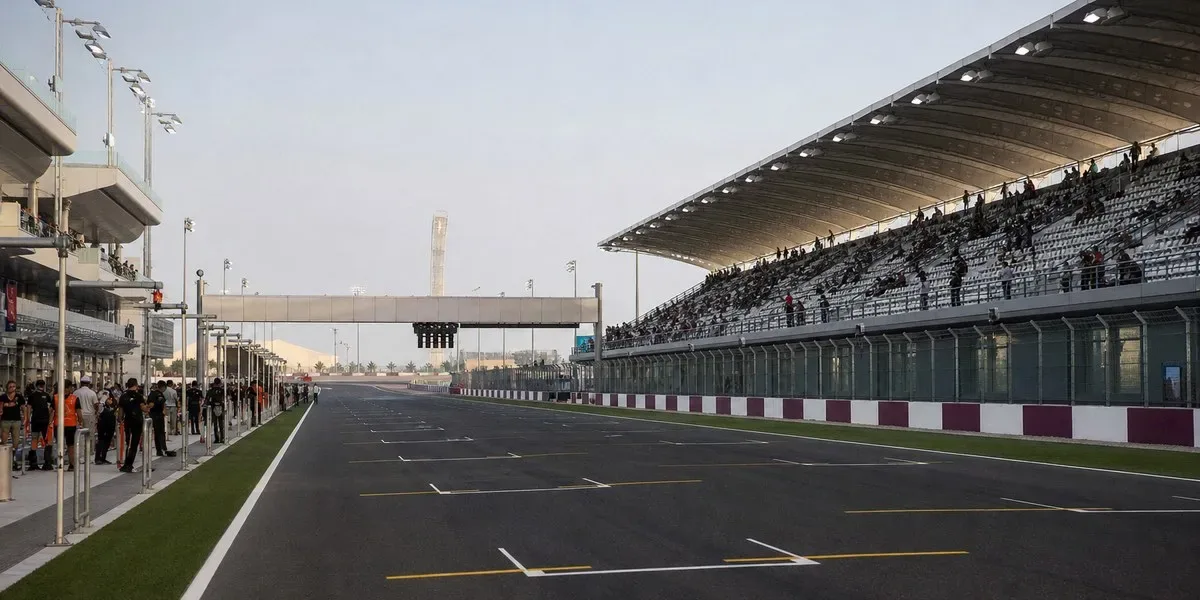
Formula 1 is pressing ahead with its season-ending Middle East double header in Qatar and Abu Dhabi after standing down a backup plan to race at Imola in Italy. F1 chiefs confirmed the decision last week following the São Paulo Grand Prix on November 8, letting the Italian circuit option lapse while maintaining that safety remains the ultimate priority. The call sets up the final rounds with the Qatar Grand Prix scheduled for November 27–29 and the Abu Dhabi Grand Prix following on December 4–6, even as geopolitical tensions and military strikes ripple across the region.
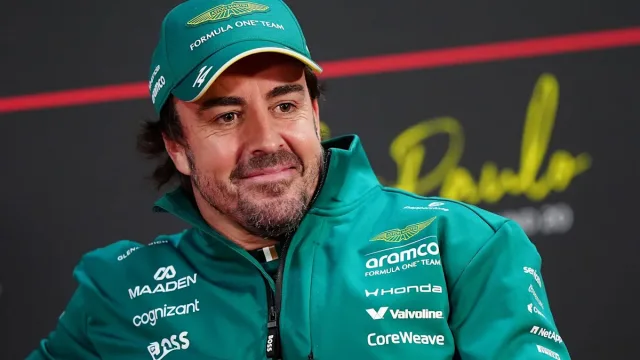
Drivers facing media sessions ahead of this weekend's Las Vegas Grand Prix have had to reconcile their personal safety with the sport's commercial imperatives. Red Bull driver Max Verstappen has executed a notable shift in tone from September, when he publicly argued that the championship should avoid regions caught in active conflicts. Speaking to reporters, Verstappen explained his current stance:
That pivot from the four-time world champion reflects a broader alignment among top competitors who are deferring to security assessments provided by government figures and Gulf officials.I trust F1 and FIA to make the right call on that, right? I don't have all the intel. I'm not an officer. I just hope that they make the right call on that. And that's all that you can rely on, really. They also send over their findings and understanding. So I trust them.
Max Verstappen, Red Bull Driver, via BBC Sport
Why Did F1 Drop Its European Safety Net Now?
The decision to abandon the Imola backup plan arrived after months of heightened volatility across the Middle East. F1 was already forced to cancel races scheduled for April in Bahrain and Saudi Arabia. Ongoing hostilities include a drone attack on a US military base in Bahrain by Iran—marking the second strike there in three days—and advancing campaigns by Houthi rebels in Yemen against the Saudi-backed government. Those same Houthi missile strikes into Saudi Arabia are already casting doubt on that country's spot on the calendar for March 19–21 next season.
Yet F1 leadership has held firm. Backed by security briefings from Europe and the Gulf, and with no official travel advisories warning against trips to Qatar or Abu Dhabi, series chiefs allowed the Imola contingency to expire. F1 is owned by the same US group that oversees MotoGP, which completed a race weekend in Qatar without incident last week. An F1 spokesperson stated on Tuesday: If the situation develops negatively in the coming weeks before the events in the Middle East, we will not hesitate to do the right thing and the safety of everyone will always be the priority.
That leaves the championship walking a tightrope between commercial commitments and volatile security realities.
Who Bears the Weight of Traveling to the Region?
While the drivers prepare to fly to the Gulf following the Las Vegas triple header, questions of risk center on the mechanics, engineers, and media personnel who make up the traveling circus. McLaren's Lando Norris noted that while his personal travel plans include a friend's wedding in Bahrain next week before heading straight to Qatar and Abu Dhabi, his primary thoughts lie elsewhere. Norris told reporters: It's not about me. It's a lot more people. It's the fans, it's the team personnel, so the question is for them, more than I would say it is for myself.
Valtteri Bottas, who has penned an extension with Cadillac for 2027, echoed that sentiment during the Las Vegas press conference, stating that the sport would never travel to a venue without a verified safety plan. Ferrari's Charles Leclerc called the situation tricky but stated that he will travel to Qatar if conditions permit. Meanwhile, George Russell, serving as a director for the Grand Prix Drivers' Association, revealed that his union is not actively involved in the crisis management because the geopolitical stakes are far above our heads.
Russell added that acquaintances living in the Gulf with their families had assured him of their own security, noting that F1 undoubtedly holds contingency plans labeled A, B, C, D, etc.
What Lies Ahead on the Strip and Beyond?
The immediate focus turns away from the Gulf and onto the Las Vegas Strip, where track action begins with Practice One on Friday at 12:30 am, followed by qualifying at 4:00 am on Saturday and the grand prix at 4:00 am on Sunday. Two rounds remain on the schedule after Las Vegas before the 2026 campaign draws to a close in the Middle East. With commercial links to the region running deep, series organizers are betting that diplomatic assurances and intelligence briefings will hold true through early December. For fans and team members alike, the coming weeks will test whether that trust was well placed.