China Sentences Evergrande Founder to Life in Prison
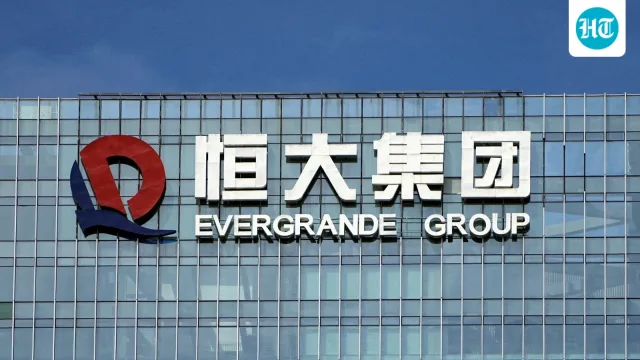
Evergrande Group founder Hui Ka Yan has been sentenced to life in prison for large-scale financial fraud, capping a historic collapse that left the developer with over $300 billion in liabilities.
- Headline: China Sentences Evergrande Founder to Life in Prison
- Dispatch Summary: Evergrande Group founder Hui Ka Yan has been sentenced to life in prison for large-scale financial fraud, capping a historic collapse that left the developer with over $300 billion in liabilities.
- Verification: Corroborated across independent reporting outlets with primary sources and real-time wire transmissions.
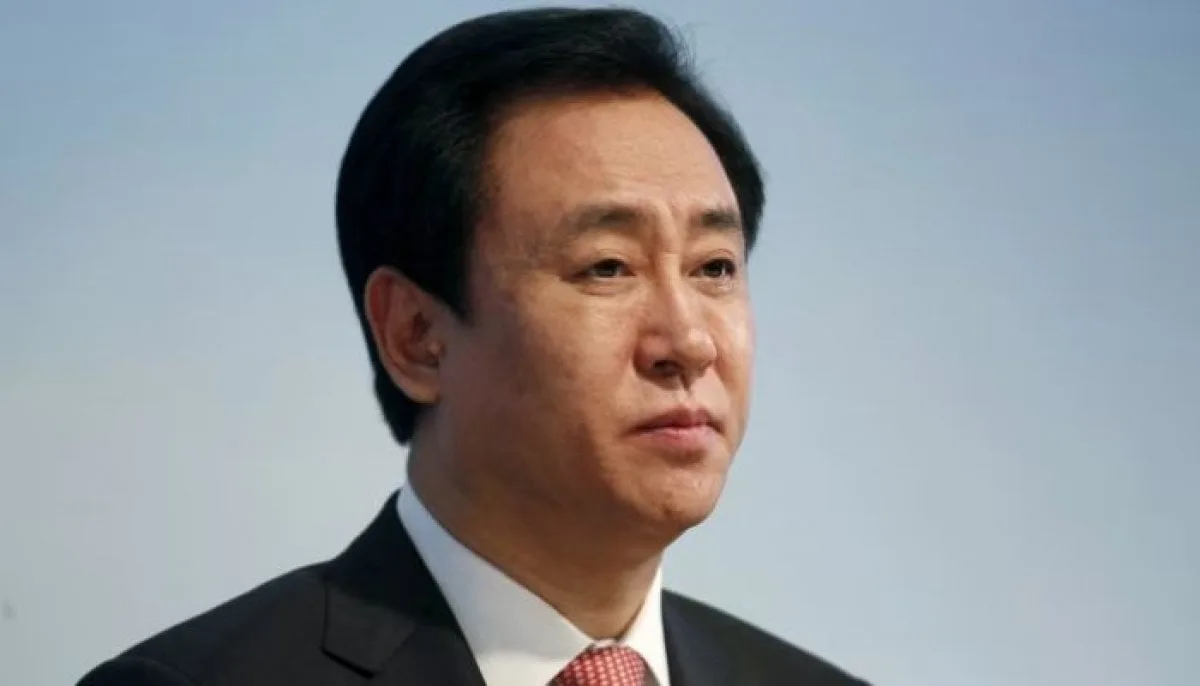
The Chinese court has sentenced Hui Ka Yan, the founder of property developer Evergrande Group, to life in prison for large-scale financial fraud, marking a dramatic end to the career of a man once hailed as Asia’s richest individual. The Shenzhen Intermediate People’s Court announced the verdict on 20 August 2026, convicting Hui of charges including fraud, bribery, and illegal absorption of public deposits. The ruling also imposed fines totaling 8.82 billion yuan ($1.31 billion) on Evergrande Group and 7 billion yuan ($1.04 billion) on its subsidiary, Evergrande Real Estate, while ordering the confiscation of Hui’s personal assets.
Timeline of Evergrande’s Collapse
Evergrande, founded in 1996, became the world’s most indebted real estate developer, amassing over $300 billion in liabilities before its collapse. The crisis escalated in 2020 when Chinese authorities cracked down on excessive borrowing in the property sector, triggering a liquidity crunch that rippled across the industry. The company defaulted on its debts in 2021, leading to a protracted liquidation process. By August 2026, creditors had claimed $45 billion in outstanding debts, while only $255 million in assets had been sold.
Hui, who pleaded guilty in April 2026, faced charges tied to financial misconduct that included inflating the company’s assets and concealing liabilities. Investigations revealed that Evergrande had manipulated its financial data by prematurely booking revenue from property sales, overstating earnings by approximately $80 billion between 2019 and 2020. The court described the crimes as “particularly heinous,” citing “exceptionally large” amounts of misappropriated funds and “particularly significant economic losses.”
Official Response and Legal Proceedings
The court’s statement emphasized the severity of Hui’s actions, noting that his role in orchestrating financial fraud and misappropriating company assets warranted “severe punishment.” Alongside Hui, five senior executives received prison terms ranging from 6 to 18 years. Finance.yahoo.com reported that Hui’s sons, Xu Tenghe and Xu Zhijian, were among 56 individuals sentenced in connection with the case, though specific details of their charges were not disclosed.
The fines imposed on Evergrande Group and its subsidiary — 8.82 billion yuan ($1.31 billion) and 7 billion yuan ($1.04 billion), respectively — reflect the scale of the company’s misconduct. Chinese authorities have also pursued legal action against Hui’s former spouse, Ding Yumei, to recover $6 billion in dividends paid to executives during the company’s decline. Liquidators continue to seek assets abroad, including those held by Hui and Ding, who is reported to reside in London.
Economic and Social Impact
Evergrande’s collapse has had far-reaching consequences for China’s economy, exacerbating a real estate market downturn that has persisted since 2020. The crisis triggered a wave of defaults among property developers, eroding investor confidence and contributing to broader financial instability. The court’s ruling underscores the government’s crackdown on corporate malfeasance, signaling a shift toward stricter regulatory enforcement in the sector.
Hui’s sentencing also highlights the personal toll of the crisis. Once valued at $45.3 billion in 2017, the peak of his wealth, Hui’s downfall has been swift. His arrest in late 2023 followed years of legal battles and regulatory scrutiny. The court’s decision to impose a life sentence, despite Hui’s guilty plea, emphasizes the gravity of his crimes, which it described as causing “particularly serious social harm.”
What Comes Next?
The liquidation of Evergrande’s assets remains ongoing, with creditors awaiting further progress in recovering their claims. The court’s ruling may also influence future regulatory actions against other companies in the sector. Meanwhile, Hui’s case sets a precedent for the prosecution of corporate leaders involved in large-scale financial misconduct. As the legal process unfolds, the broader implications for China’s property market and its economic stability will continue to be closely watched.
How significant is this wire dispatch?
Cast your anonymous vote to register reader consensus across journalism and intelligence sectors.
Dateline Wire is dedicated to independent, evidence-backed reporting. This briefing was synthesized from primary source reporting, corroborated across independent newsrooms, and verified against our Editorial Standards.