World Marathon Champion Peres Jepchirchir Banned for Three Years Over EPO
Reigning marathon world champion and Olympic gold medalist Peres Jepchirchir has been handed a three-year ban by the Athletics Integrity Unit for testing positive for EPO.
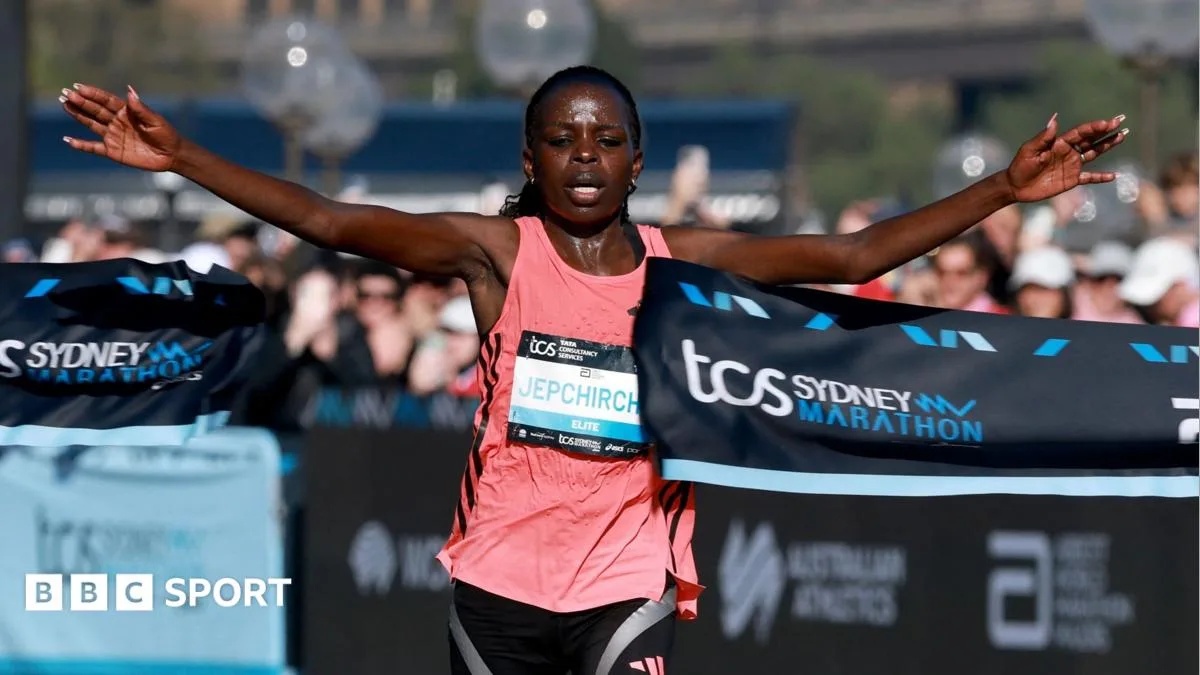
Reigning marathon world champion Peres Jepchirchir has been banned for three years for doping, the Athletics Integrity Unit (AIU) said on Thursday, in the latest blow to the reputation of Kenyan athletics. The highly decorated 33-year-old Jepchirchir, who also won Olympic gold in the Covid-delayed Tokyo Games in 2021, was suspended after an out-of-competition sample showed traces of the banned blood booster EPO. The AIU confirmed she had been given a full ban for three years from October 20.
The AIU said Jepchirchir's out-of-competition sample had been collected in Kenya prior to her victory in the Sydney Marathon in August. Jepchirchir has had a lauded career—a former world record holder in the half marathon, a four-time World Marathon Major winner, and titles in the 2024 London Marathon, the 2022 Boston Marathon, and the 2021 New York Marathon.
They join more than 140 Kenyan athletes, including current women's marathon world record holder Ruth Chepngetich, who have been suspended or banned by the AIU since 2017. Veronica Loleo, half marathon silver medallist at the World Road Running Championships in 2026, was given three years for the same offence. And Ronald Korir, a fourth-place finisher in the 2023 Berlin Marathon, received a six-year ban after he was unable to explain abnormalities in his Athlete Biological Passport.
How Did the Sample Expose a Champion?
EPO is a hormone naturally produced by the human body that is used to enhance the blood's ability to carry oxygen, thereby improving physical endurance and delaying the onset of fatigue. Administering EPO causes the body to increase red blood cell production, resulting in an increased amount of hemoglobin. This causes the blood to thicken, which means the user's physical endurance increases and they are less likely to experience early fatigue during high-level competition. Aside from the corresponding penalties, its use can lead to serious health complications, including thrombosis, hypertension, heart attacks, and strokes.
What Does This Mean for Kenyan Athletics?
The decision of World Athletics to award Nairobi the 2029 world championships is likely to increase the scrutiny of the east African nation's anti-doping policies. The suspensions are a big blow to our current push to fight doping. It hurts our national integrity and pride as a nation,
said Peninah Wahome, head of the Anti-Doping Agency of Kenya (ADAK). It's an individual decision by an athlete to dope, and let's not condemn all the athletes. Those who have been caught go to show that we're making good progress and we will continue to safeguard clean athletes who are prepared to protect the country's image.
The Kenyan authorities have made a lot of progress in the fight against doping in the last five years, but these cases highlight that there is still a long way to go,
AIU chief executive Brett Clothier said in a statement.
Will the Home of Champions Meet Zero-Tolerance Demands?
Kenya hosted a three-day visit from the World Anti-Doping Agency (WADA) last month, the body's chief Witold Banka telling the country that it had to strive for zero tolerance on doping. Kenya proudly calls itself the Home of Champions. But for that home to remain respected and credible, it must also be clean,
Banka said.