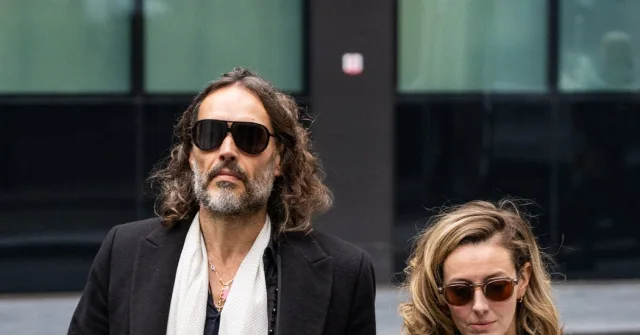
Google rejects UK request for Russell Brand YouTube video to be removed
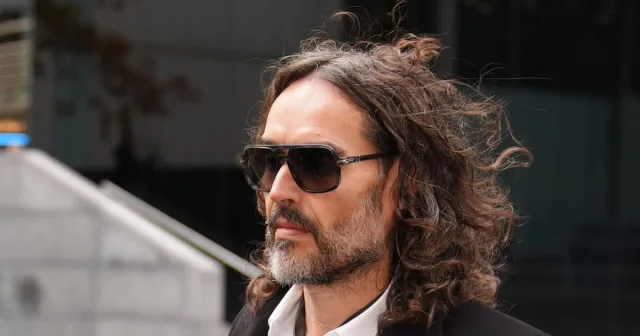
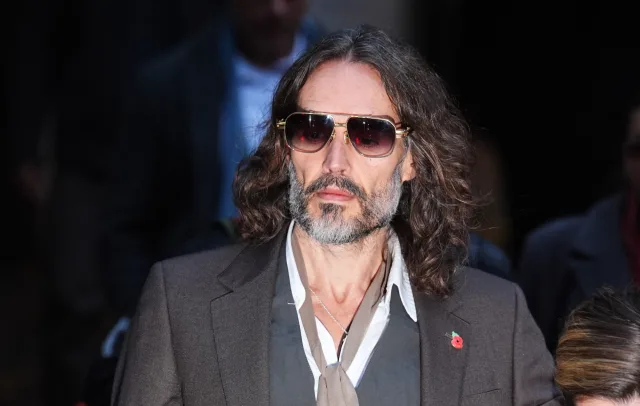
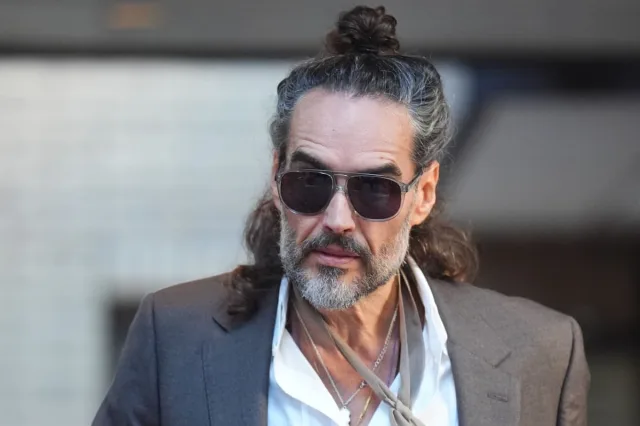
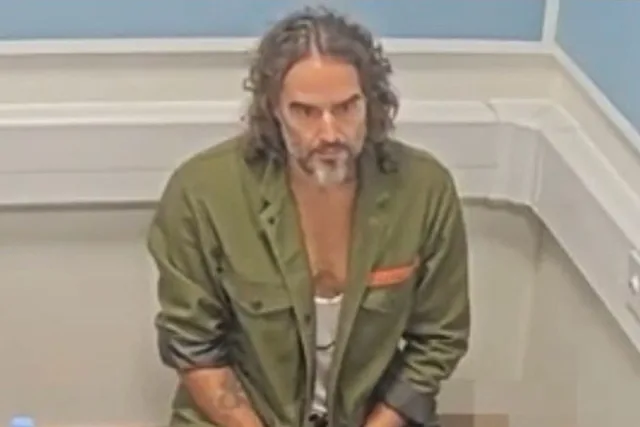
Google has rejected an official UK government request to delete a YouTube video featuring jailed former comedian Russell Brand claiming his innocence from prison.
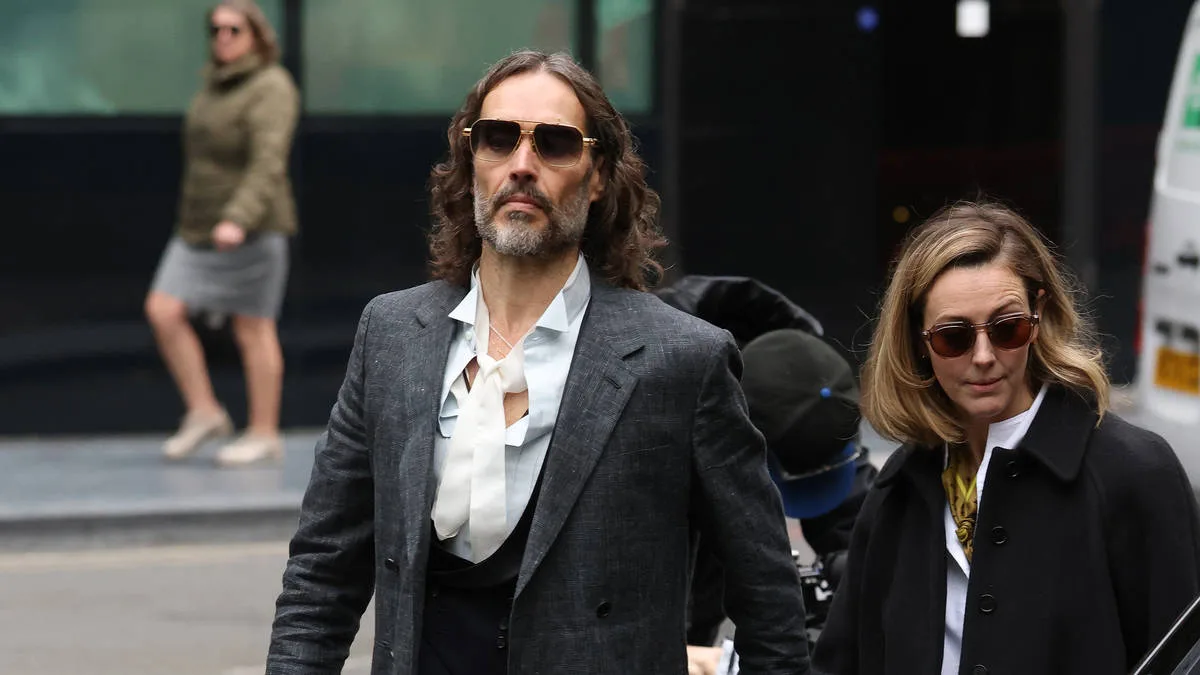
The gap between government outrage and corporate refusal has defined the latest clash between Westminster and Silicon Valley, after Google turned down an official UK request to delete a recorded message from jailed former comedian Russell Brand. While ministers insist the broadcast causes deep distress to victims, the tech giant maintains the content does not violate its platform policies.
Brand is currently serving a 10-and-a-half-year prison sentence at HMP Littlehey after being convicted of one count of rape and three counts of sexual assault for offences committed between 2004 and 2009. Just days after his sentencing, his wife Laura Brand uploaded a pre-recorded episode of their podcast to their YouTube channel, featuring a statement from the 51-year-old inmate in which he claimed innocence and stated something strange is happening
. As of Thursday morning, November 19, the video has garnered over 830,000 views on a channel boasting 6.6 million subscribers, and both the clip and the account remain active online.
Why did the government ask for the video to be removed?
The Ministry of Justice argues that prisoners are strictly banned from making statements that cause distress to victims, and that speaking to the media is only permitted in exceptional circumstances. Downing Street branded the broadcast clearly appalling
, while a Ministry of Justice spokesperson stated that it was only right
to ask for content that is distressing for victims to be taken down.
The Prison Service of England and Wales formally submitted the removal request through an established mechanism used to communicate with tech companies. Whitehall sources initially told the BBC that a minister had met Google directly to request the deactivation of the account, though the Ministry of Justice later clarified that the request focused specifically on the controversial video and was channeled through the institutional mechanism.
Ministers have drawn a direct comparison with Meta, which disabled Brand's Instagram and Facebook accounts following his conviction. A source told LBC: Meta removed his Instagram and Facebook on conviction, and there’s no reason other platforms can’t do the same.
How did Google respond to the official takedown request?
Google declined the request from the Prison Service, informing the BBC and other broadcasters that its rules had not been broken by the upload. In an official statement, a spokesperson for Google told The Mirror US and LBC: We’re aware of the new content and our teams are investigating. We suspended Russell Brand’s channel from the YouTube Partner Program in September 2023. The channel has not been able to monetise on YouTube since then.
The company previously barred Brand from making money from adverts under its creator responsibility policy after media investigations uncovered allegations against him in 2023, stating at the time that the move was made to protect
its users. Yet despite that prior enforcement, Google's current investigation into the jail message has not resulted in removal.
Housing minister Matthew Pennycook acknowledged the limits of state authority when speaking to BBC Breakfast, noting, We don’t have any power to mandate a removal of content. That is up to Google. It’s based on their terms and conditions.
Pennycook added that the Ministry of Justice remains in a dialogue
with Google.
What are victims, police, and officials saying about the broadcast?
The public backlash has united police leadership, government ministers, and survivors in condemning the release of the prison audio. Mia Latter, a 37-year-old woman who alleged she was raped by Brand when she was 16 and who was not a complainant in the recent criminal trial, told BBC Radio 4's Today programme that she found the message upsetting
and was appalled to hear this Christian message alongside absolute lies
.
Deputy Commissioner of the Met, Matt Jukes, told Nick Ferrari at Breakfast that the post is deeply unpleasant, deeply, deeply unpleasant to see his voice emanating still from prison
and added, It just tells you what a narcissist is in the middle of this. You know, it's been all about him from that perspective, and actually it's really all about courageous victims.
The Prime Minister, weighing in on the broader debate, told LBC that we've heard enough from him
and insisted that convicted criminals should not be heard on such matters. Education Secretary Lucy Powell also criticised mainstream media outlets for broadcasting extracts of the message, telling LBC that the media should not have amplified words from someone who's not showing a jot of remorse, a jot of any sensitivity at all to their victims
.
What does this mean for the future of online safety regulations?
The refusal by Google has exposed critical enforcement gaps in existing digital legislation, prompting immediate calls from lawmakers for legislative expansion. Jess Phillips, the former minister for safeguarding and violence against women and girls, told BBC Radio 4's Today programme that the government doesn't have the power to enforce that this video is taken down
and questioned whether Ofcom codes that are in the Online Safety Act are there actually to protect women
.
Phillips suggested it was very likely
that the government would look at introducing a second online safety act to address gaps in the current regulatory framework. Pointing to the unprecedented nature of the situation, she noted: Before, we haven't had prisoners who had massive YouTube followings. This is an entirely new era.
Meanwhile, the Prison Service has launched an investigation into whether Brand had broken prison rules. Whether Google will alter its stance following ongoing discussions with Whitehall remains unresolved.