Hyundai launches Bayon SUV in India at Rs 9.99 lakh with AI features
Hyundai Motor India has launched the Bayon midsize SUV at a starting price of Rs 9.99 lakh, featuring a 1.5-litre petrol engine and advanced AI capabilities.
- Headline: Hyundai launches Bayon SUV in India at Rs 9.99 lakh with AI features
- Dispatch Summary: Hyundai Motor India has launched the Bayon midsize SUV at a starting price of Rs 9.99 lakh, featuring a 1.5-litre petrol engine and advanced AI capabilities.
- Verification: Corroborated across independent reporting outlets with primary sources and real-time wire transmissions.
What does the Rs 9.99 lakh price tag buy you in Hyundai's new lineup?
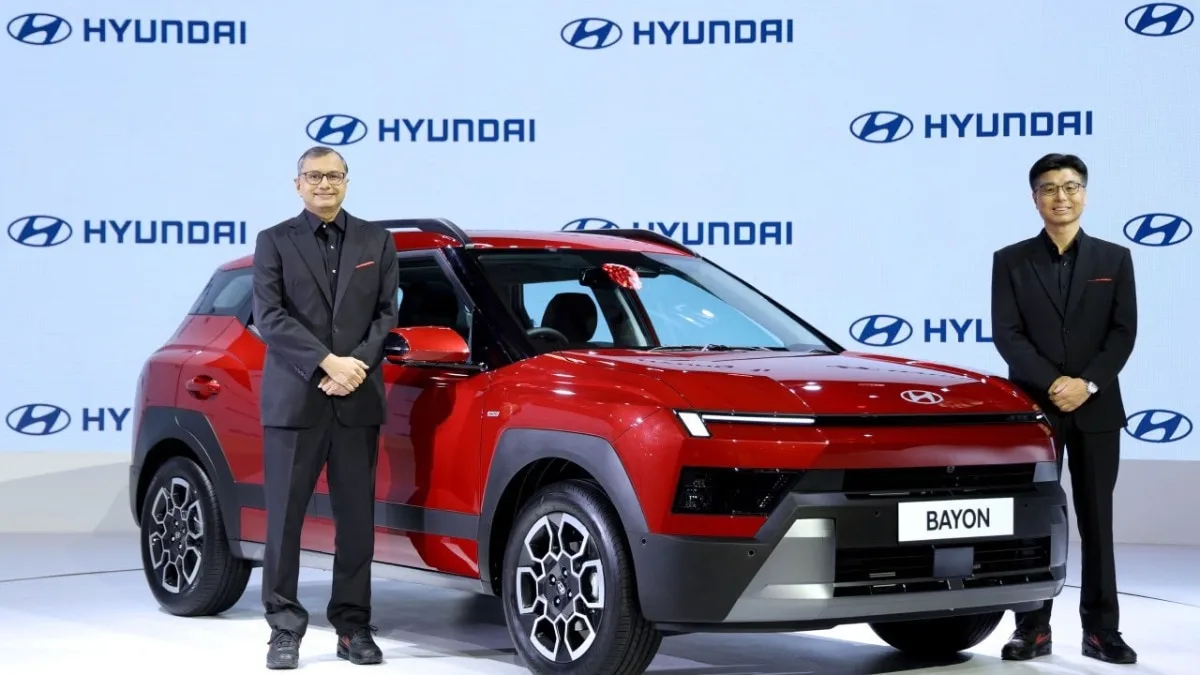
Hyundai Motor India Ltd on Monday launched the Bayon midsize sport utility vehicle, priced from Rs 9.99 lakh (ex-showroom). The vehicle measures 4,245mm in length, 1,810mm in width, and 1,605mm in height, with a 2,600mm wheelbase. It is positioned between the compact SUV Venue and the mid-size SUV Creta, sitting approximately 85mm shorter than the Creta and 250mm longer than the Venue. Bookings are live on the company's India website and through authorised dealerships for Rs 11,000, with deliveries set to begin during the festive season.
Styling-wise, the exterior features a split headlamp setup with LED headlamps on the bumper and LED DRLs along the bonnet line, skipping any connected light bar. It sports a flat roofline, roof rails, thick plastic cladding over wheel arches, and 17-inch alloy wheels with a petal-like design. At the rear, LED indicators sit below the LED tail lamps on the bumper, while a roof spoiler carries a centre-mounted stop lamp. Buyers can choose from 10 total colours: six monotone, two dual-tone with a black roof in Atlas White and Fiery Red, and two matte options in Titanium Black and Classy Blue.
That pricing strategy inserts a brand-new footprint into a crowded market. Yet the real test for buyers will be whether the mid-tier variants justify the climb from that headline base figure once variant-wise pricing is fully locked in.
How does the single engine choice affect driving and cabin tech?
Under the hood, the Bayon offers a single 1.5-litre naturally aspirated four-cylinder petrol engine that delivers 115 PS of power. This powertrain has sold over 6 lakh units in India since 2020. Transmission choices span a 6-speed manual and a CVT automatic, spread across seven variants: HX2, HX3, HX3 Plus, HX5, HX6, HX8 and HX10. The CVT variant includes performance tricks such as a Dash Boost mode for overtaking power, a sporty drive tech function simulating gear shifts under hard acceleration, paddle shifters, and three drive modes including Eco, Normal and Sport.
Inside, the cabin features dual 12.3-inch curved displays for the touchscreen and digital driver's display, wireless Android Auto and Apple CarPlay, a wireless phone charger, an 8-speaker Bose sound system, a panoramic sunroof, ventilated front seats, an 8-way powered driver's seat, automatic climate control, rear AC vents, and Hyundai Bluelink offering over 70 connected car features. Over-the-air updates apply to up to 19 vehicle controllers.
The cabin's standout addition is Hyundai’s first generative AI voice assistant in India, powered by Perplexity and SoundHound AI. It answers natural questions like road trip planning or restaurant suggestions in English, alongside more than 500 offline voice commands available in Hindi, Hinglish, Tamil, Bengali and Telugu.
Limiting the vehicle to one petrol engine keeps things refreshingly straightforward on the showroom floor. But omitting a turbo-petrol, hybrid, or diesel option hands a clear opening to rivals catering directly to efficiency-seekers and enthusiasts.
What are the safety credentials and market rivals for the new SUV?
Safety equipment includes six airbags, electronic stability control, hill-start assist, ISOFIX child seat mounts, and three-point seatbelts for all seats as standard, making up over 35 safety features overall. Higher variants add a 360-degree camera, front and rear parking sensors, a blind-spot view monitor, a dashcam, and a tyre pressure monitoring system. The Level 2 Pro ADAS system packs 23 functions utilizing three radars and 12 parking sensors, including Highway Driving Assist on mapped expressways. Hyundai states the Bayon is engineered for 5-star Indian safety standards based on internal assessments, though it has not yet undergone independent crash testing.
In the showrooms, the Bayon competes against crossover and compact SUVs like the Maruti Suzuki Fronx, Tata Punch, Tata Nexon, and Mahindra XUV 3XO, alongside larger midsize competitors including the Kia Seltos, Maruti Grand Vitara, Maruti Victoris, Toyota Hyryder, Honda Elevate, Skoda Kushaq, Volkswagen Taigun, and Hyundai's own Creta.
Safety specifications match the upper tier of the segment right out of the box. The absence of a crash test rating means buyers must rely on the manufacturer's internal engineering benchmarks for now.
Why is Hyundai skipping diesel and betting big on the Creta-Bayon duo?
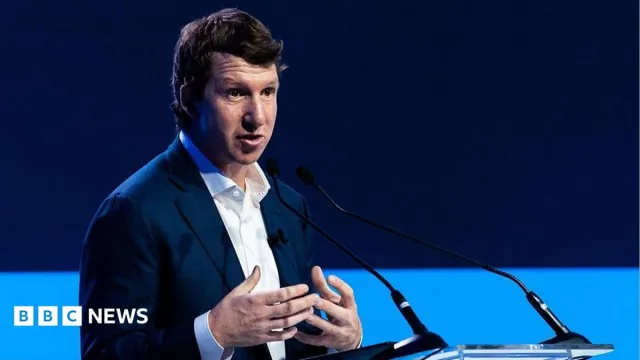
Hyundai Motor India Managing Director and CEO Tarun Garg explained the powertrain strategy ahead of the launch. I don’t think offering all powertrains in a model is a good strategy. It confuses the customer,
Hyundai Motor India Managing Director and CEO Tarun Garg told reporters, adding, It is very difficult to manage so many options. We want to optimise.
While diesel will stay part of the Creta lineup, the Bayon skips diesel entirely at launch, though a compressed natural gas variant will follow in January.
The manufacturer expects the Creta and Bayon combined to clock 2,50,000 sales units in calendar year 2027. Hyundai currently sells roughly 1.7 lakh Creta units annually, with the Bayon designed to complement rather than replace its sibling by targeting a distinct, tech-focused consumer profile that adopts artificial intelligence features quickly.
Tarun Garg, Managing Director and CEO, via Business Today
We are very confident that 2,50,000 is what we are looking at: Creta plus Bayon put together,
The broader strategy aims to lift SUV penetration across Hyundai's portfolio from about 70% currently to 80% by next year, aided by an upcoming compact electric SUV. Domestically built, the Bayon will also serve as an export vehicle, with shipments typically beginning three to six months after local release. Exports currently sit at 24.5% of total sales, with a five-year target of 30%. However, Middle East conflicts have disrupted key shipping routes where 40 to 45% of Hyundai India exports head due to port congestion. Garg noted that demand remains strong as customers wait for vehicles, and shipments have been partially redirected to Central and South America, including Mexico.
Balancing export disruptions with an aggressive domestic sales target leaves little room for execution errors. If the January CNG introduction broadens the buyer base as planned, Hyundai may well hit its volume goals.
How are competitors responding to the fresh midsize entry?
Rivals in the overlapping segments continue adjusting their own portfolios while Hyundai reshapes its domestic strategy. Competitors like Mahindra are actively shifting gears to join the CNG SUV race, while Jeep has introduced entry-level variants such as the Compass Sport Diesel with a 9-speed automatic priced at Rs 21.99 lakh to capture adjacent buyer segments. Homegrown and foreign automakers alike are racing to capture urban buyers as the mid-size SUV segment scales up to account for 16.5% of India's passenger vehicle market.