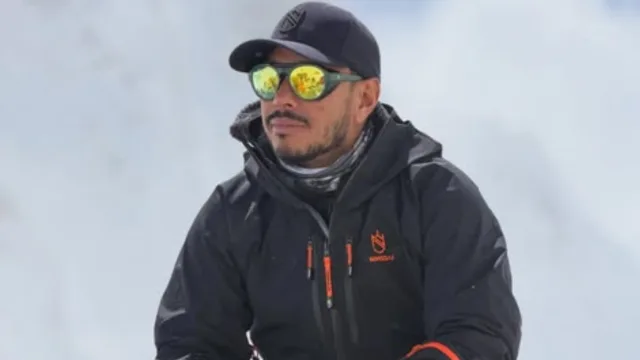
Nirmal Purja and nine climbers missing after Pakistan avalanche
Renowned Nepalese mountaineer Nirmal Purja and a nine-member international team are missing following an avalanche on Pakistan's Broad Peak. Rescue efforts are planned for Friday, depending on the weather.
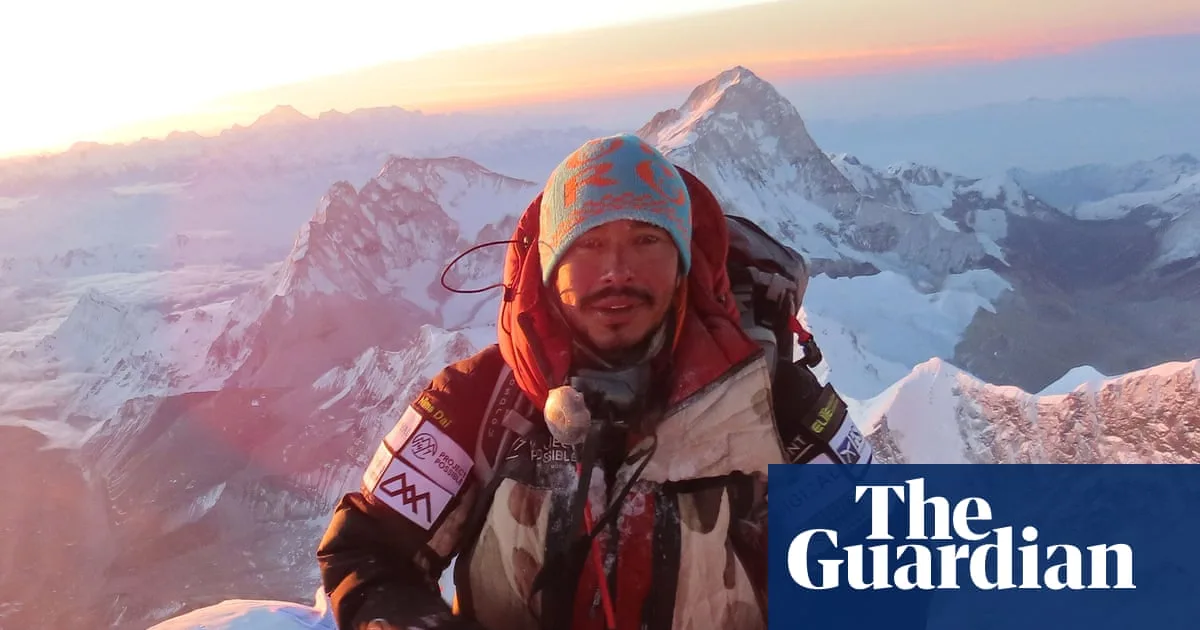
Four climbers have been confirmed dead and six others are feared missing after an avalanche struck Pakistan’s Broad Peak, one of the world’s highest mountains, on Thursday. The incident, which occurred around midday, involved a ten-member international mountaineering team led by renowned Nepalese climber Nirmal Purja, according to the Alpine Club of Pakistan. Two of the deceased have been identified as Nadhira Ahmed Abdullah Al Harthy from Oman and Pur Bahadur Gurung from Nepal, while the identities of the other two bodies remain under investigation.
Search and rescue operations were suspended for the day due to adverse weather conditions and are set to resume the following day, as reported by Faisal Ehsan Pirzada, home secretary of Gilgit Baltistan. The Pakistan army deployed two rescue helicopters carrying specialized equipment to support the operation, with the Alpine Club of Pakistan stating it is coordinating with authorities to mobilize all available resources. The club also reiterated its solidarity with the climbers’ families and the broader mountaineering community.
The team included six Nepalis, an American, a Chinese national, an Omani, and a Pakistani climber, as outlined in statements from the Alpine Club of Pakistan. Among the missing are American Mallory Geis, Pakistani guide Sohail Saki, and Nepali climbers Pur Bahadur Gurung (known as Yukta) and Kili Pemba Sherpa (Kilu), who had previously summited Everest 15 times and guided double amputee Xia Boyu to the summit in 2018. Geis, who had posted about her “first big kid climbing expedition in Pakistan” on social media, was described by the travel company Moving Mountains as attempting her first 8,000-metre peak.
Rescuers have located four bodies on Broad Peak, though officials have not yet released their identities. The avalanche occurred on the 8,047-metre (26,400 ft) peak, which is part of the Karakoram range and ranks as the world’s 12th-highest mountain. The region is known for its extreme conditions, including the “death zone” above 8,000 metres, where oxygen levels are insufficient for prolonged human survival. Broad Peak’s proximity to K2, one of the most dangerous peaks globally, underscores the risks faced by climbers.
Purja, a former British Royal Marine and mountaineering icon, gained international fame for climbing all 14 of the world’s 8,000-metre-plus peaks in 2019—a feat chronicled in a Netflix documentary. His expedition to Broad Peak included climbers with extensive experience, such as Yukta, who was nearing completion of the 14 Peaks challenge, and Kili Pemba Sherpa, a veteran guide. Despite the team’s expertise, the avalanche has highlighted the unpredictable dangers of high-altitude climbing, even for seasoned adventurers.
Search efforts face logistical challenges, including harsh weather and the remote, treacherous terrain of the Karakoram. The Alpine Club of Pakistan emphasized its commitment to the rescue, stating it is “in constant contact” with government authorities to expedite operations. Meanwhile, the Nepalese Ministry of Foreign Affairs confirmed six of the missing climbers are Nepali and reported assurances from Pakistani authorities about resource mobilization.
The incident has reignited discussions about the risks of the 14 Peaks challenge, which has drawn increased attention in recent years. Nepal’s Sherpas, renowned for their mountain-guiding skills, have become a key workforce for expeditions in Pakistan’s climbing season, as noted by Nepali mountaineer Khimlal Gautam. However, the growing popularity of the challenge has also raised concerns about safety and the human cost of high-altitude exploration.
Purja’s GPS tracking device reportedly showed movement after the avalanche, according to his business partner Mingma Gyabu Sherpa, though it remains unclear whether the signal indicates his location or the device itself. The Alpine Club of Pakistan’s president, Major General Irfan Arshad, has stated that every effort is being made to secure helicopter support and rescue resources, pending weather conditions. As the search continues, the fate of the remaining climbers remains uncertain, with families and the global mountaineering community awaiting further updates.
Dateline Wire is dedicated to independent, evidence-backed reporting. This briefing was synthesized from primary source reporting, corroborated across independent newsrooms, and verified against our Editorial Standards.