US launches retaliatory strikes on Iran after base attack
The U.S. military launched a series of strikes on Iranian targets following an alleged missile attack on an American base in Jordan, escalating regional tensions.
The U.S. military launched a series of strikes on Iranian targets on Wednesday, marking a significant escalation in tensions following an alleged missile attack on an American base in Jordan. The operation, described as a “powerful response” by U.S. Central Command, targeted facilities linked to Iran’s Islamic Revolutionary Guard Corps (IRGC), including military command centers, missile and drone production sites, and maritime infrastructure. The strikes occurred a day after U.S. forces intercepted what they claimed were ballistic missiles launched by Iran toward American troops in the Middle East.
US military details strike timeline and targets
The strikes began at 8 p.m. Eastern Time on Wednesday and lasted for two hours, according to U.S. Central Command. The operation, which hit “dozens of targets,” was framed as a direct retaliation for the missile attack on the Jordanian base. The IRGC had previously claimed responsibility for the assault, stating it targeted an airbase and a command center. However, the U.S. military reported that all incoming missiles were intercepted, with no damage or casualties recorded. The U.S. emphasized that the strikes were intended to demonstrate its commitment to protecting its forces in the region.
Iranian claims and regional security concerns
Iranian state media asserted that the resistance against U.S. actions would continue until Washington “stops using hostile policies” against the Islamic Republic. The IRGC also announced the destruction of three oil tankers in the Strait of Hormuz, a critical global shipping lane, citing unauthorized passage. This move heightened concerns about the security of one of the world’s most vital maritime routes, which has seen increased volatility amid the broader conflict. The incident underscored the growing risk of a regional war, with analysts warning that the situation remains precarious.
Additional attacks complicate regional dynamics
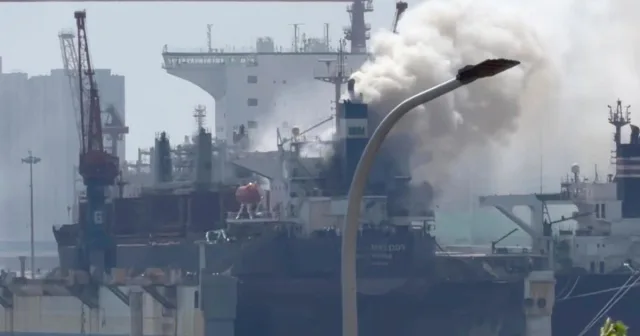
Amid the U.S.-Iran clashes, other incidents further destabilized the Middle East. Drone strikes ignited fires on two natural gas vessels at Egypt’s Damietta port, according to British maritime security firm Ambrey. While the perpetrators remained unclear, U.S. President Donald Trump dismissed the attacks as “a little more of the same,” vowing to continue retaliatory actions against Iran. The strikes also coincided with reports of explosions near the Strait of Hormuz and in Iran’s Khuzestan province, adding to the complexity of the crisis.
The U.S. has been engaged in a protracted conflict with Iran since February, when it and Israel launched coordinated strikes on Iranian targets. Tehran responded with attacks on Israeli and Gulf state assets, leading to widespread casualties and displacement. The current escalation follows a brief period of relative calm, during which mediators had expressed hope for a ceasefire. However, renewed hostilities have dashed those prospects, with regional officials describing the situation as “very bad” and unlikely to improve without significant diplomatic efforts.
Oil prices surge amid heightened tensions
The renewed conflict sent global oil markets into turmoil, with Brent crude surging 7.3% to $88.09 per barrel. The spike reflected fears of disrupted supply chains and further instability in the Strait of Hormuz, where Iranian attacks have already disrupted energy flows. The U.S. military’s continued strikes, coupled with Iran’s alleged actions in the region, have intensified concerns about the economic and geopolitical consequences of the conflict.
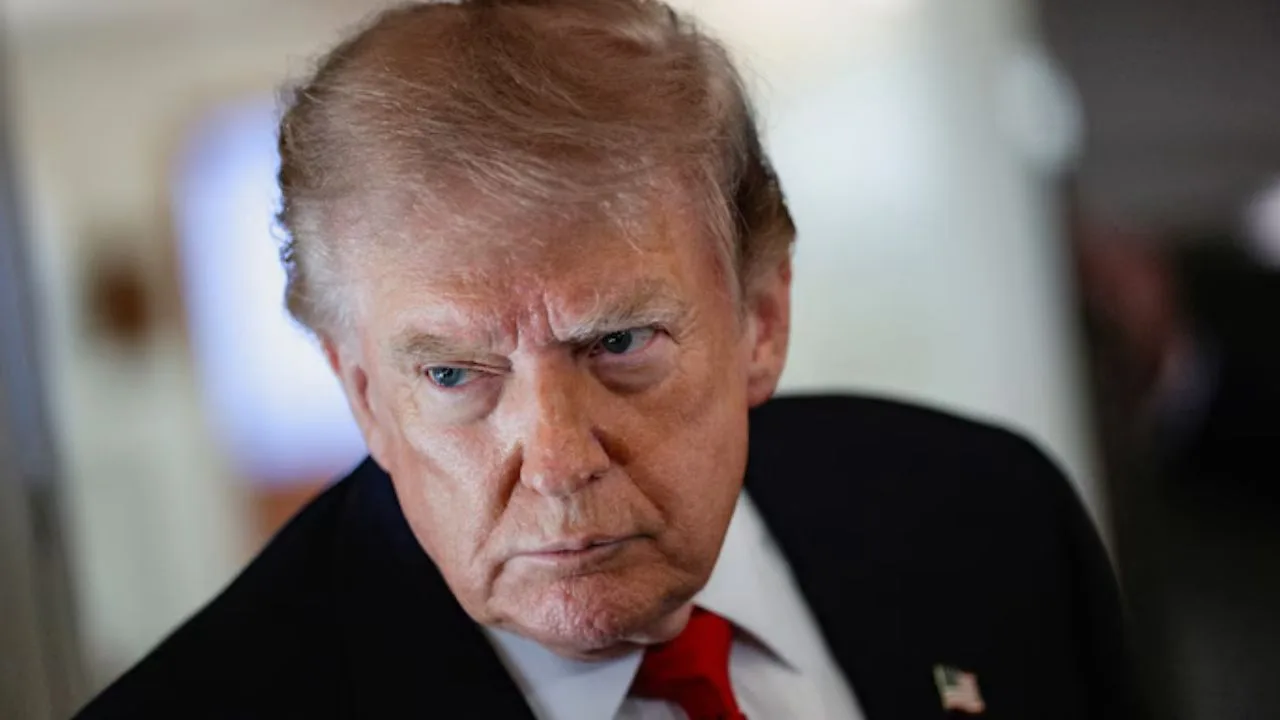
Despite the escalating violence, U.S. officials have shown no indication of backing down. Trump reiterated his stance during a press event, stating, “We’re going to hit them very hard” in response to Iranian aggression. The administration’s approach has drawn criticism for exacerbating the crisis, with some analysts warning that the U.S. risks depleting its military resources while deepening regional divisions. Meanwhile, regional powers such as Saudi Arabia and Egypt have called for de-escalation, though their influence remains limited in the face of escalating hostilities.
The situation remains fluid, with both sides poised for further confrontation. As the conflict enters its fifth month, the lack of progress in diplomatic efforts has left the Middle East on the brink of a broader, more destructive war. The U.S. strikes on Iran, while a clear demonstration of resolve, have also underscored the fragility of the region’s security and the challenges of achieving a lasting resolution to the crisis.
Dateline Wire is dedicated to independent, evidence-backed reporting. This briefing was synthesized from primary source reporting, corroborated across independent newsrooms, and verified against our Editorial Standards.