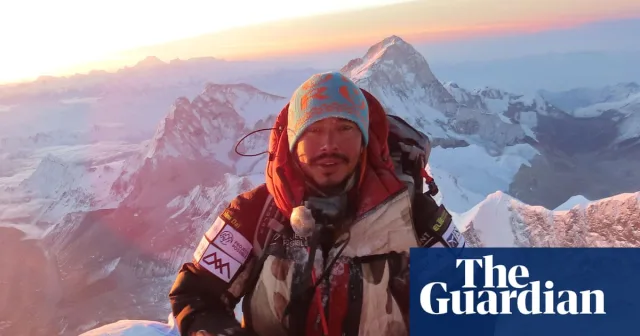
Nirmal Purja Confirmed Dead After Avalanche on Pakistan Peak
Renowned British-Nepali mountaineer Nirmal Purja was confirmed dead following an avalanche on Broad Peak in Pakistan's Karakoram range.
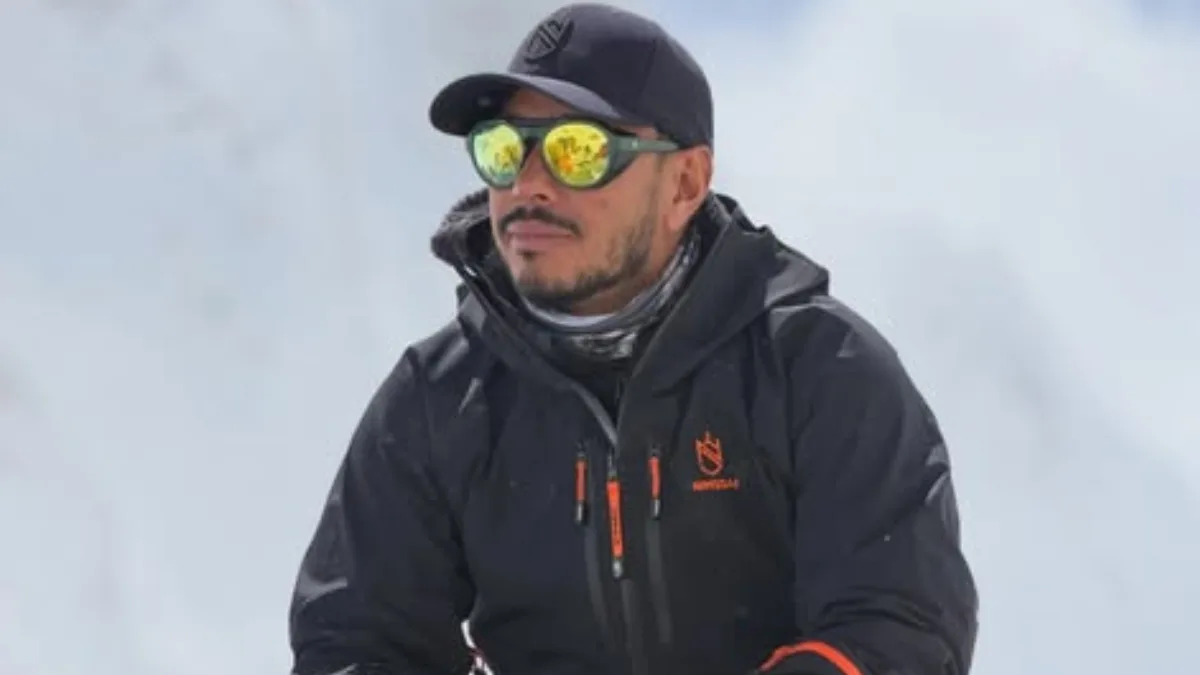
Nirmal Purja, the British-Nepali mountaineer celebrated for redefining high-altitude climbing limits, was confirmed dead after an avalanche struck Broad Peak in Pakistan’s Karakoram range on July 30, 2026. All 10 members of his expedition, including Purja, 43, were confirmed dead, according to Elite Exped, his expedition company. The avalanche, which occurred during an attempt to summit the world’s 12th-highest peak, cut off contact with the team at an altitude of 6,600 meters. Rescue efforts by Pakistani authorities and local climbers recovered four bodies by late July, with search operations continuing under challenging weather and terrain conditions.
Purja, widely known as “Nimsdai,” was leading an expedition that included five Nepali climbers, an Omani woman, an American climber, a Pakistani guide, and a Chinese participant. The team had initially planned to climb Gasherbrum II (G2) but altered their route to include Broad Peak, a decision that aligned with Purja’s goal of becoming the first person to summit all 14 of the world’s 8,000-meter peaks twice. His record-breaking 2019 feat of climbing all 14 peaks in 189 days, documented in the Netflix film “14 Peaks: Nothing Is Impossible,” had already cemented his legacy. A post on his social media account from July 27 revealed his last-minute shift to Broad Peak: “If I tick off Broad Peak whilst I’m here, only one remains — Cho Oyu. Then I become the first person in history to climb all 14 eight-thousanders twice.”
The avalanche struck as the team ascended Broad Peak, a mountain renowned for its technical difficulty and perilous conditions. According to the Pakistani Alpine Club, tracking data indicated the climbers were “thrown hundreds of metres down the mountainside.” Rescue teams, including military helicopters and local high-altitude porters, faced delays due to inclement weather. By July 31, three bodies had been recovered, including an American woman, an Omani climber, and a Nepali man. Pakistani authorities reported that the search for the remaining six climbers, including Purja, continued into early August.
Elite Exped’s statement expressed profound grief, mourning not only Purja but also his climbing partners, Pur Bahadur Gurung (Yukta) and Nima Sherpa, who also died in the disaster. The company highlighted Purja’s impact as a “leader who inspired millions through his courage, humility, and unwavering belief that human potential is far greater than we often imagine.” His achievements extended beyond climbing records; he founded the Nimsdai Foundation, a mountaineering school, and became a global advocate for Nepali climbers. His military background — serving 16 years with the British Gurkhas and the Special Boat Service, added to his reputation as a resilient figure.
Purja’s death has drawn tributes from across the mountaineering community and political leaders. Nepal’s Prime Minister Balendra Shah described the loss as “shocking,” emphasizing that the climbers’ “courage, dedication, and contributions will always remain inspiring.” The Nepali government confirmed that five Nepali climbers, including Purja, had died, alongside four foreign climbers. His wife, Suchi, and a child, whom he kept out of the public eye, are among those grieving. The avalanche also claimed the lives of climbers from Oman, the United States, and China, underscoring the risks of high-altitude expeditions in the Karakoram.
The tragedy highlights the dangers inherent in extreme mountaineering. Broad Peak, at 26,401 feet, is part of a region where avalanches, ice falls, and unpredictable weather frequently claim lives. Despite advancements in climbing technology and safety protocols, the mountain remains one of the most unforgiving. Purja’s team had faced harsh conditions earlier in the season, including a detour to G2, where one climber turned back. Another team member, Fida Ali, narrowly avoided the avalanche after returning to assist a Russian climber, later recounting that he “couldn’t go with him (Purja) but came back with her.”
Rescuers found four bodies and recovered three of them Friday in harsh weather that hampered flights by search and rescue helicopters. A local police official, Tahir Khan, said the remains of Omani climber Nathira Ahmed were being flown to the capital, Islamabad, while the bodies of American climber Mallory Geis and Nepalese climber Bahadur Gurung remained at a hospital in Skardu, the main city in Pakistan’s northern Gilgit Baltistan region. A statement from Geis’ family said “Mallory was a bright light who was loved deeply by her family and friends. She will be profoundly missed.”
The expedition was led by Purja, the Nepal-born former British Army soldier widely known as Nims Dai. He climbed the world’s 14 highest peaks in a record 189 days in 2019, an achievement featured in the Netflix documentary “14 Peaks: Nothing Is Impossible.” His record was broken in 2023. The expedition included climbers from Oman, Nepal, Pakistan, China, and the United States, according to the Alpine Club of Pakistan. The American mountaineer, 39-year-old Mallory Geis of San Antonio, Texas, had posted about her decision to close her Pilates studio to pursue high-altitude climbing. “So here we go. Taking a giant leap of faith into the unknown to see where life goes,” she wrote earlier this year.
The Pakistani Alpine Club’s president, Irfan Arshad Khan, paid tribute to the military and civilian rescuers and sherpas who took part in the search mission. “The mountains inspire us with their beauty, but they also remind us of the immense risks faced by those who venture into the high Himalaya and Karakoram,” he said. Elite Exped’s statement emphasized the global impact of the loss: “No words can ease the pain of this unimaginable loss.”
Dateline Wire is dedicated to independent, evidence-backed reporting. This briefing was synthesized from primary source reporting, corroborated across independent newsrooms, and verified against our Editorial Standards.