Hurricane Trudy brings heavy rain and strong winds to Mexico’s Pacific c…
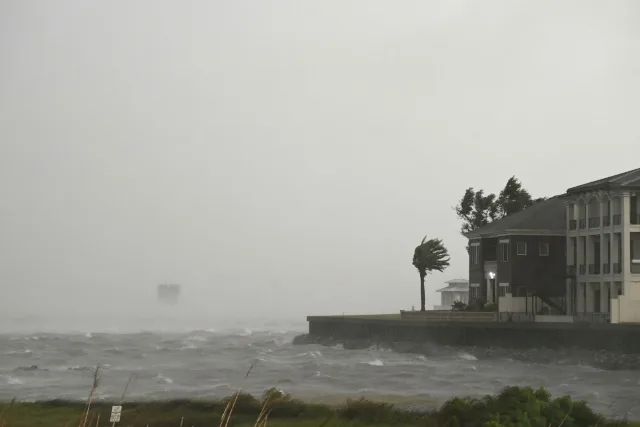
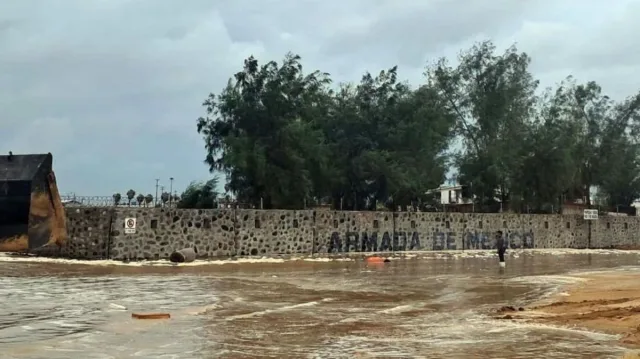
Hurricane Trudy battered Mexico's southwestern and west-central Pacific coast with heavy rain and winds, compounding risks of life-threatening floods and mudslides on already saturated terrain.
- Headline: Hurricane Trudy brings heavy rain and strong winds to Mexico’s Pacific c…
- Dispatch Summary: Hurricane Trudy battered Mexico's southwestern and west-central Pacific coast with heavy rain and winds, compounding risks of life-threatening floods and mudslides on already saturated terrain.
- Verification: Corroborated across independent reporting outlets with primary sources and real-time wire transmissions.
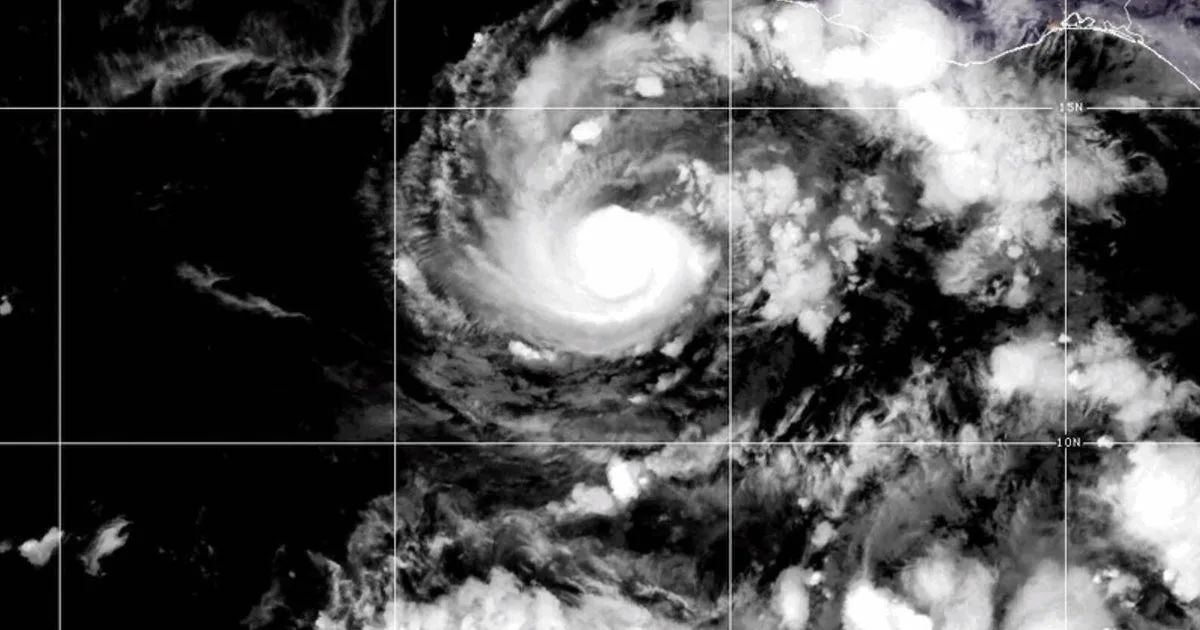
Hurricane Trudy battered Mexico's southwestern and west-central Pacific coast with maximum sustained winds reaching 105 mph, forcing warnings of potentially life-threatening flooding and mudslides across terrain already soaked by previous tropical systems.
That leaves communities in western Mexico facing a compounding hazard where the sheer volume of expected rainfall matters more than the storm category itself.
Category 2 winds and saturated soils
The U.S. National Hurricane Center, based in Miami, reported that Trudy brought heavy rain and powerful winds to parts of Mexico's western and southwestern states on Sunday, targeting areas that were already struck by Hurricane Simon last week. A hurricane warning remained in effect from Manzanillo in Colima state to Cabo Corrientes in Jalisco. Discrepancies exist in wire service reporting regarding the exact wind measurements and coordinates: CBS News, Yahoo, and CNBC reported maximum sustained winds of 105 mph, while The Independent registered sustained winds of 100 mph (155 km/h). Furthermore, CBS News and Yahoo placed the storm about 135 miles west-southwest of Manzanillo moving northwest at 10 mph, whereas The Independent placed it 135 miles (215 kilometres) south of Cabo Corrientes and 115 miles (185 kilometres) west-southwest of Manzanillo, moving north-west at 9 mph (15 km/h).
Trudy's center was expected to remain near the Mexican coast through Sunday evening before moving south of the Baja California Peninsula, with CNBC adding that this southward track would continue through Monday and Tuesday. A tropical storm warning remained in effect for Las Islas Marias, while a warning for the coast east of Punta San Telmo to Lazaro Cardenas was discontinued by forecasters. The Mexican Navy urged mariners and coastal residents to exercise extreme caution because of high waves, heavy rain, and the risk of rising rivers, flooding, and landslides in vulnerable areas. Meanwhile, Colima authorities stated that local risks remained low, but warned that heavy rainfall could cause damage because the ground was already saturated by successive storms along the Pacific coast.
The storm was expected to deliver 4 to 8 inches (10 to 20 centimeters) of rain through the weekend, with isolated totals of around 12 inches (30 centimeters) along and near the coast in Michoacán, Colima, and Jalisco, according to shared storm projections. The hurricane center emphasized that areas with steep terrain are particularly vulnerable to serious flooding and mudslides.
That leaves regional emergency services relying entirely on public adherence to marine and coastal warnings, as successive weather events leave very little margin for drainage absorption.
Simultaneous Pacific storm pressure and federal relief in Guam
Across the Pacific basin, simultaneous extreme weather unfolded as Typhoon Champi passed Guam as a massive super typhoon. Champi packed fierce winds strong enough to be classified as Category 4, maintaining sustained winds of 150 mph (240 kph). According to the U.S. National Weather Service, the storm was 200 miles west of Guam and moving westward at 14 mph as of Sunday afternoon, local time, while The Independent reported it at 130 miles (210 kilometers) west of Guam, moving west at 16 mph (26 kph) at 1 pm Sunday local time. Forecast trajectories for Champi diverged slightly among wire services: CBS News, Yahoo, and The Independent stated the storm could strengthen into a Category 5 super typhoon early Monday local time, whereas CNBC reported the storm was forecast to weaken through Monday while remaining a major typhoon.
The unfolding events across the affected regions show the severe logistical strain placed on disaster response networks:
- Mexican mariners and coastal residents facing high waves, rising rivers, and landslide risks in Michoacán, Colima, and Jalisco.
- Residents in Guam, Rota, Tinian, and Saipan experiencing closed airports, harbors, and health facilities.
- Territories of Guam and the Northern Mariana Islands continuing prolonged recovery efforts from super typhoons Sinlaku and Bavi, which struck in April and July, respectively.
The governors of Guam and the Northern Mariana Islands requested emergency disaster declarations on Friday. On Saturday, U.S. President Donald Trump approved an emergency declaration for Guam, authorizing the Federal Emergency Management Agency to coordinate all federal disaster relief efforts and making federal disaster assistance available to supplement local response efforts. However, FEMA announced that resources were unlikely to reach the islands for three to five days due to facility closures.
That leaves isolated island populations to manage immediate post-storm conditions independently while waiting for federal supply chains to reopen.
Chronology of regional storm activity
- April: Super Typhoon Sinlaku strikes territories including Guam and the Northern Mariana Islands.
- July: Super Typhoon Bavi strikes the same Pacific island territories.
- Late last week: Hurricane Simon targets western and southwestern states in Mexico, while Hurricane Trudy strengthens into a major Category 3 hurricane before weakening.
- Friday: The governors of Guam and the Northern Mariana Islands request emergency disaster declarations.
- Saturday: U.S. President Donald Trump approves an emergency declaration for Guam, and FEMA issues updates noting resources will take three to five days to reach the islands.
- Sunday: Hurricane Trudy brings heavy rain and strong winds to Mexico's Pacific coast while Typhoon Champi passes Guam.
That leaves travelers, mariners, and residents along both the Mexican coast and the U.S. Pacific territories under active weather alerts to monitor local civil protection updates as cleanup and tracking continue through the week.