Kolkata Stampede Kills 17 at Durga Puja Festival in India
At least 17 people were killed and 25 injured in a stampede during Durga Puja celebrations at a crowded pandal in Kolkata, India, following rain and panic.
- Headline: Kolkata Stampede Kills 17 at Durga Puja Festival in India
- Dispatch Summary: At least 17 people were killed and 25 injured in a stampede during Durga Puja celebrations at a crowded pandal in Kolkata, India, following rain and panic.
- Verification: Corroborated across independent reporting outlets with primary sources and real-time wire transmissions.
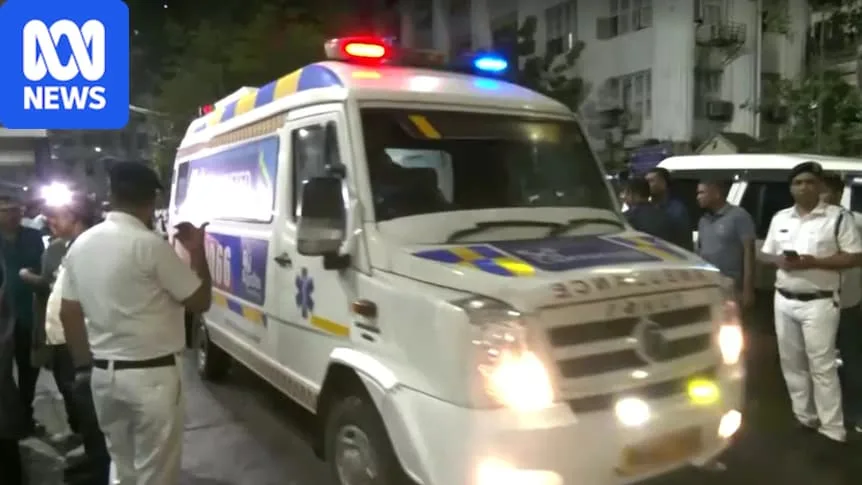
At least 17 people lost their lives and 25 others sustained injuries in a stampede at a religious festival in Kolkata, India. The tragedy unfolded during the Durga Puja celebrations when a heavy influx of devotees gathered at a temporary pavilion, or pandal, in the city's Girish Park area. Among the dead was a seven-year-old girl, according to West Bengal Chief Minister Suvendu Adhikari.
The disaster highlights the enduring vulnerability of mass gatherings across India, where crowd safety and management lapses have repeatedly resulted in fatal crushes. While local television reports and an eyewitness speaking to India Today pointed to heavy rain, a misleading announcement, and panicked crowds rushing or attempting to exit the venue, the exact sequence of events underscores how quickly festive joy can turn into a catastrophe.
Rain and Panic at the Girish Park Pandal
The incident occurred during the multi-day Durga Puja festival, which runs from October 16 to 21. As evening rain fell over north Kolkata, heavy crowds of pandal hoppers swelled around the temporary structures housing idols of the goddess Durga.
According to local TV reports cited by bdnews24.com and The Senior, overcrowding spiked at the exit gate as large numbers of devotees tried to leave the venue simultaneously. A police officer explained that an announcement caused a commotion after it started raining at night, leading the crowd waiting outside to push, pull, and rush forward. People fell on the ground, triggering the deadly crush.
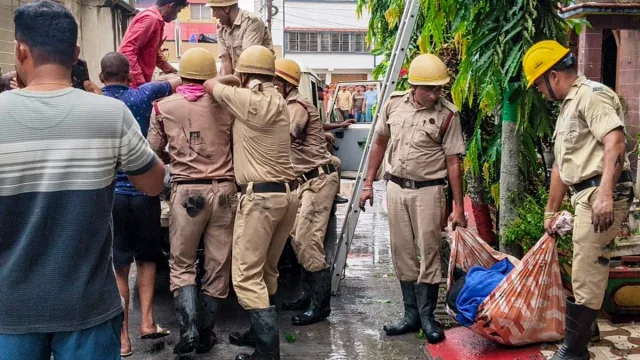
Numerous visitors lost consciousness in the chaos, and eyewitnesses reported that some victims had to be evacuated from the scene on motorbikes. All injured persons were rescued and shifted to different hospitals for treatment, as confirmed by West Bengal State Minister Umesh Rai.
A Pattern of Deadly Mass Crushes
The Kolkata tragedy is part of a grim and frequent pattern of deadly crowd incidents at Indian mass events driven by safety lapses. The repeating nature of these disasters points to systemic challenges in crowd control and infrastructure at high-capacity religious and political gatherings.
- In 2024, 121 people were killed in northern Uttar Pradesh state during a Hindu religious gathering.
- Last year, a stampede at India's Kumbh Mela religious fair killed 30 people and injured several others.
- Also last year, 11 fans were crushed to death in Bengaluru during celebrations for the local cricket team's first Indian Premier League title.
- In the same year, 36 people died after a stampede broke out at a campaign rally of a popular actor-turned-politician in southern Tamil Nadu state.
These incidents demonstrate that whether the gathering is spiritual, political, or celebratory, exit management and weather-induced panics remain persistent hazards.
Official Responses and Financial Compensation
Federal and state leaders responded swiftly to the disaster, offering condolences and financial assistance to the affected families. Indian Prime Minister Narendra Modi described the stampede as saddening
in a post on the social media platform X.
Prime Minister Modi's office announced compensation payments of 200,000 rupees for the next of kin of those who died, and 50,000 rupees each for the injured. Interior Minister Amit Shah stated on X that the administration was ensuring all possible medical facilities were provided to the injured.
Chief Minister Suvendu Adhikari confirmed the casualty toll and noted that the West Bengal government was providing all possible help to the affected families, as echoed by Prime Minister Modi's online statement.