Trump calls Ukrainian strikes on Russian oil refineries a disgrace
US President Donald Trump criticized Ukraine for resuming strikes on Russian oil refineries, deepening a diplomatic rift as the White House restricts satellite support.
- Headline: Trump calls Ukrainian strikes on Russian oil refineries a disgrace
- Dispatch Summary: US President Donald Trump criticized Ukraine for resuming strikes on Russian oil refineries, deepening a diplomatic rift as the White House restricts satellite support.
- Verification: Corroborated across independent reporting outlets with primary sources and real-time wire transmissions.
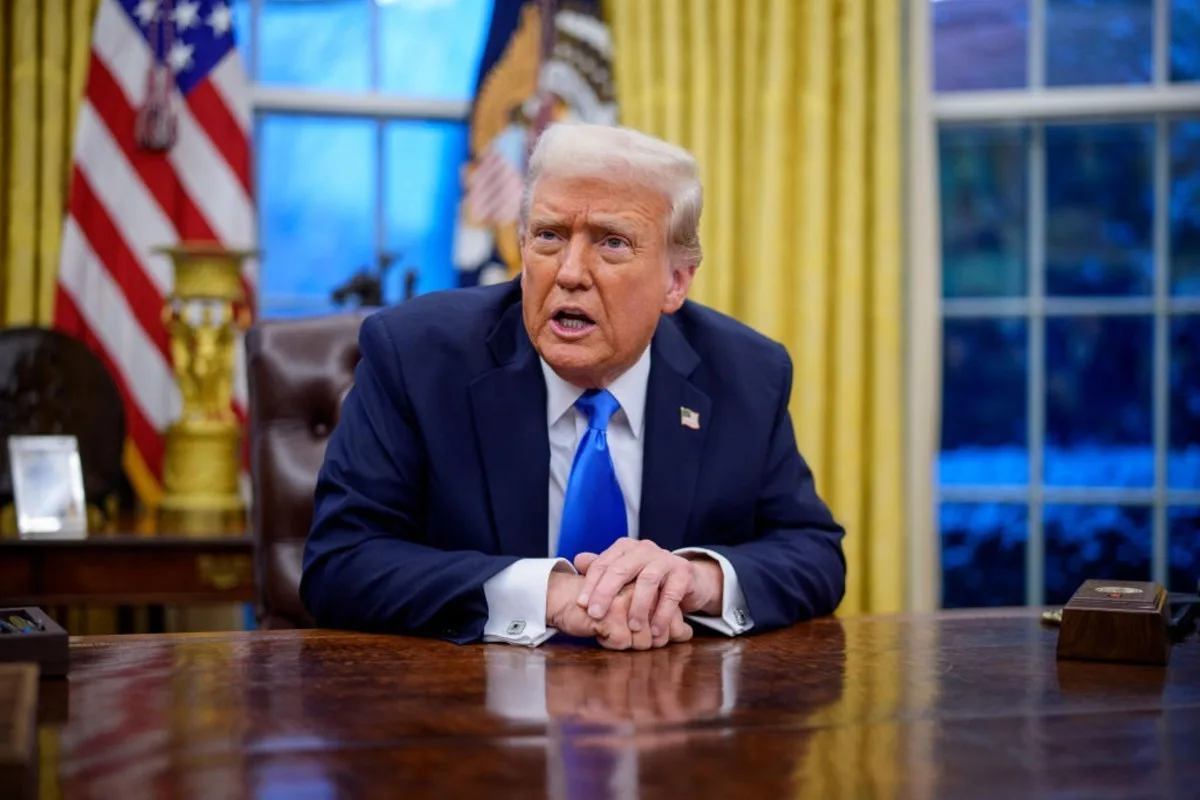
US President Donald Trump called Ukraine's resumption of strikes on Russian oil refineries a disgrace
in a Newsmax interview aired on Thursday, arguing that the attacks keep global energy prices elevated. The remarks lay bare a deepening rift between Washington and Kyiv after Ukrainian President Volodymyr Zelenskyy declared that his country was abandoning an energy ceasefire mediated by the United States.
The core dispute centers on economic pressure versus battlefield survival. Mr. Trump eased sanctions on Russia last week after Moscow released large amounts of diesel onto global markets, and he subsequently demanded that Kyiv halt its long-range drone and missile attacks against Russian energy facilities. Mr. Zelenskyy countered that patience had run out because Russian forces continued to rain down missile and drone strikes on Ukrainian power stations and infrastructure, knocking out electricity supplies to hundreds of thousands of civilians. By hitting a Rosneft refinery southeast of Moscow that supplies the Russian capital, Ukraine has directly challenged Washington's peace efforts, leading Mr. Trump to declare that he finds Mr. Zelenskyy more difficult to deal with than Russian President Vladimir Putin.
Washington Retaliates as European Allies Rally Behind Kyiv
The diplomatic collision has spilled over into operational capabilities on the ground. Defense officials confirmed that the United States had threatened to withdraw intelligence-sharing if Ukraine continued long-range strikes on Russian oil refineries. At the same time, Ukraine faced reduced usage and slower speeds on Wednesday, involving the critical Starshield satellite communications system that its military relies upon for battlefield communications, drone operations, and detecting incoming attacks. Tech billionaire Elon Musk clarified that his company, SpaceX, was not behind the disruption, stating online that Starshield systems are owned and controlled by the U.S. government,
and adding that any limits on speed or usage are decided by the U.S. military and ultimately POTUS.
Two US officials and a Western official confirmed that the order to restrict the system came from inside the White House.
While Washington has increased pressure on Kyiv, European leaders have thrown their support behind Mr. Zelenskyy as he meets with officials in Brussels. French President Emmanuel Macron stated after a bilateral meeting that it was crucial
for Ukraine to receive all necessary means to protect itself. Polish Prime Minister Donald Tusk posted online, YOU ARE NOT ALONE,
while NATO chief Mark Rutte met with the Ukrainian leader on Thursday ahead of an EU summit on Friday. The Kremlin seized on the diplomatic rupture, with spokesman Dmitry Peskov telling reporters that Kyiv is coming into serious conflict with the peace efforts of the United States.
- Last week: The United States eased sanctions on Russia after Moscow released large amounts of diesel onto global markets.
- Wednesday: Ukrainian forces experienced slower speeds and reduced connectivity on the U.S.-provided Starshield satellite system following an order originating from inside the White House.
- Thursday: President Volodymyr Zelenskyy met with NATO chief Mark Rutte in Brussels, while President Donald Trump told Newsmax in an interview published that day that he finds Mr. Zelenskyy more difficult to deal with than Vladimir Putin.
- Friday: President Volodymyr Zelenskyy participates in an EU summit in Brussels to rally European allies.
The Human Cost on the Ground
The friction between capitals carries an immediate human toll for citizens enduring near-constant bombardments. As Mr. Zelenskyy met with Mr. Macron in Brussels, the Kremlin launched a drone strike on Ukrainian energy infrastructure in the city of Lutsk, causing blackouts. Residents in Kyiv expressed profound frustration with the shifting diplomatic posture in Washington as power cuts and nighttime strikes disrupt daily life.
- Civilians in Kyiv and other urban centers facing repeated nighttime attacks and prolonged blackouts
- Hundreds of thousands of residents left without electricity following Russian bombardments of power stations
- Ukrainian military units experiencing hampered battlefield communications and reduced drone operation capabilities due to Starshield restrictions
- Frontline defenders struggling to coordinate responses to incoming missile strikes
That leaves both governments on a collision course with no clear diplomatic off-ramp. Independent reporting and statements from the ground confirm that Russian strikes on Ukrainian civilian infrastructure show no sign of abating, ensuring that Kyiv will likely maintain its campaign against Russian refineries regardless of American pressure.
The diplomatic confrontation moves to the EU summit in Brussels on Friday, where Mr. Zelenskyy is pressing European leaders for more defense support and real pressure on Moscow.