Egypt pledges support for Saudi Arabia as Houthi attacks escalate
Egypt has pledged to provide Saudi Arabia with all necessary support to defend its security and stability amid escalating Houthi missile and drone strikes.
- Headline: Egypt pledges support for Saudi Arabia as Houthi attacks escalate
- Dispatch Summary: Egypt has pledged to provide Saudi Arabia with all necessary support to defend its security and stability amid escalating Houthi missile and drone strikes.
- Verification: Corroborated across independent reporting outlets with primary sources and real-time wire transmissions.
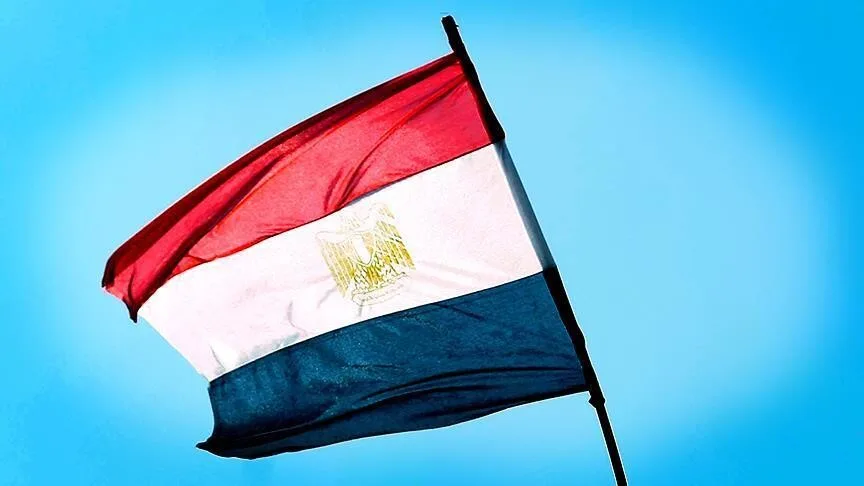
Egypt will provide Saudi Arabia with all necessary and possible forms of support to defend its security and stability, protect its resources, territorial integrity and Islamic holy sites,
the Egyptian presidency declared as Yemen's Houthi movement intensified missile and drone strikes against the world's largest oil exporter.
That high-level commitment sets a confrontational new tone for a region already shaken by renewed warfare in Yemen. The pledge arrived on Sunday following an urgent session convened by Egyptian President Abdel Fattah el-Sisi at the presidential palace in Cairo.
Why are Houthi attacks forcing Cairo to step in now?
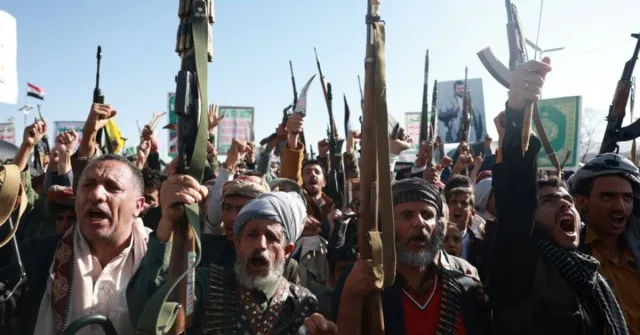
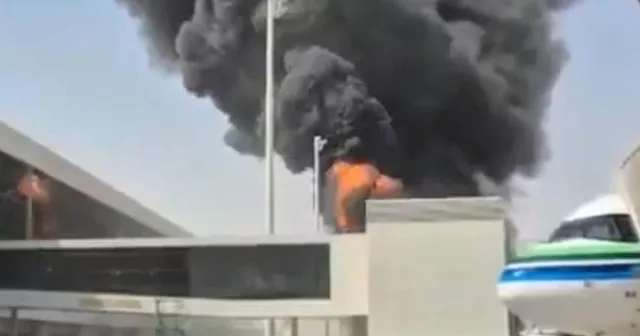
The latest crisis erupted after a fragile truce in Yemen collapsed, triggering renewed fighting between Houthi forces and the Saudi-backed, internationally recognized government. In recent days, the Iran-aligned group launched heavy missile and drone strikes targeting Riyadh's international airport and the facilities of state oil giant Saudi Aramco. At least 12 people were killed and more than 300 others were hurt in the strike on the airport.
Those direct hits on core Saudi infrastructure forced Riyadh to look outward for reliable military backup. Saudi Crown Prince Mohammed bin Salman traveled to Cairo on September 15, 2026, to meet with el-Sisi. During that visit, the two leaders discussed secure and unhindered navigation in the Red Sea. The immediate escalation of missile fire left the kingdom vulnerable enough to seek concrete assistance from its most powerful regional ally.
That outreach yielded rapid results on the ground. At least 2 Egyptian C-130H military transport aircraft already landed at King Fahd Air Base.
What did Egypt's National Defense Council decide?
President el-Sisi chaired a high-stakes meeting of the National Defense Council on Sunday at the presidential palace in Cairo. The gathering brought together the parliament speaker, prime minister, defense minister, army chief of staff, foreign and interior ministers, intelligence chief, and commanders of the armed forces to review what officials termed dangerous regional developments.
The council formally adopted three core decisions during the session:
- To provide Saudi Arabia with all necessary and possible forms of support to defend its security and stability, safeguard its capabilities, resources, and territorial integrity, and protect Islamic holy sites.
- To declare full solidarity with Saudi Arabia, emphasizing that historical ties bind the two nations and that Saudi national security is an integral part of Egyptian and Arab national security.
- To continue and intensify political and diplomatic efforts in coordination with relevant regional and international parties to reduce tensions across the region and peacefully resolve ongoing crises.
To back these resolutions with domestic legal authority, el-Sisi requested an urgent parliamentary session to authorize the Egyptian military, one of the region's largest and most powerful, to help defend Saudi Arabia if the kingdom requested its support. El-Sisi said in a speech on Saturday that Egypt would act in accordance with guidance from Saudi King Salman and Crown Prince Mohammed bin Salman.
How does the Red Sea crisis threaten Egypt's economy?
Egypt has a direct, existential economic interest in halting Houthi aggression. Analysts point out that Riyadh is looking for help to protect the kingdom and Red Sea shipping, and that Egypt, whose Suez Canal revenue depends on the same traffic, is an obvious partner.
Cairo is deeply eager to prevent Iran and its allies from imposing control over the region, especially maritime traffic in the Red Sea, given the impact on the Suez Canal. Any prolonged disruption to commercial vessels passing through these waters hits Egyptian state finances immediately through lost canal tolls. Saudi Arabia has accused Iran of encouraging Houthi attacks against the kingdom, a claim Tehran denies.
The convergence of falling oil security for Riyadh and dwindling transit security for Cairo has transformed a local Yemeni conflict into a pan-regional confrontation. The political machinery in both capitals is now fully aligned to push back against the Houthi offensive.
Diplomats and military planners in Cairo will coordinate their next moves with regional and international partners while maintaining active transport links to King Fahd Air Base.