Hong Kong court convicts Tiananmen vigil group leaders of inciting subve…
Hong Kong's High Court has convicted prominent pro-democracy activists Lee Cheuk-yan and Chow Hang-tung of inciting subversion over their advocacy for annual Tiananmen Square vigils.
- Headline: Hong Kong court convicts Tiananmen vigil group leaders of inciting subve…
- Dispatch Summary: Hong Kong's High Court has convicted prominent pro-democracy activists Lee Cheuk-yan and Chow Hang-tung of inciting subversion over their advocacy for annual Tiananmen Square vigils.
- Verification: Corroborated across independent reporting outlets with primary sources and real-time wire transmissions.
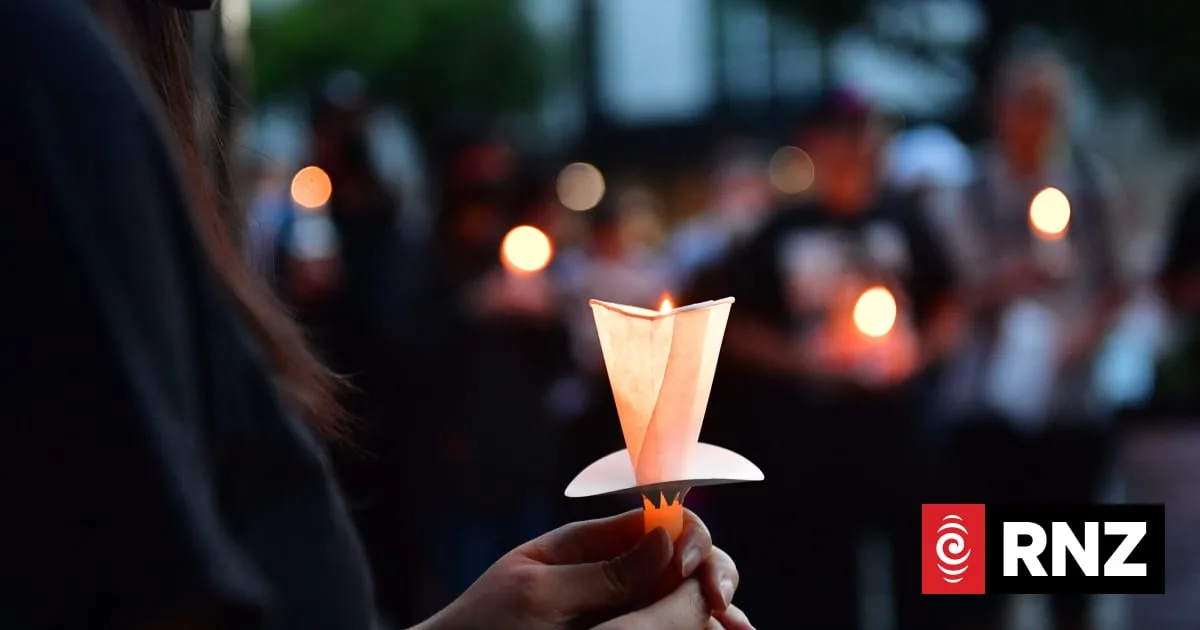
Hong Kong’s High Court on Friday convicted two prominent pro-democracy activists, Lee Cheuk-yan and Chow Hang-tung, of inciting subversion, marking a significant escalation in the city’s crackdown on public commemorations of the 1989 Tiananmen Square crackdown. The verdict, delivered by a panel of three government-appointed judges, centers on the pair’s role in organizing annual candlelight vigils that once drew tens of thousands of participants, symbolizing Hong Kong’s former political freedoms under the “one country, two systems” framework.
The court ruled that Lee and Chow, former leaders of the now-defunct Hong Kong Alliance in Support of Patriotic Democratic Movements of China, violated the national security law by repeatedly advocating for the phrase “end one-party dictatorship.” Prosecutors argued this language, even if nonviolent, aimed to undermine China’s constitutional system and erode public confidence in the Communist Party. The judges emphasized that the activists’ calls for political reform, which they described as “unlawful,” constituted subversion under the 2020 law, which criminalizes acts deemed to threaten national security.
Lee, 69, and Chow, 41, faced up to 10 years in prison. Both had pleaded not guilty, with Chow representing herself during the trial. During proceedings, she criticized the legal system, stating, “Speaking the truth has become inciting hatred, seeking justice has become exploiting suffering.” The court’s 16-page ruling detailed how the defendants’ advocacy, including their work with the Hong Kong Alliance, sought to “stir up hostility and cause division” against the central government. A third defendant, Albert Ho, had previously pleaded guilty and is awaiting sentencing.
The annual Tiananmen vigils, which began in the 1990s, were a rare public space for Hong Kong residents to mourn the crackdown and demand democratic reforms. The tradition collapsed after the 2020 national security law, which banned “subversive” activities and dissolved the Hong Kong Alliance. The court’s decision underscores the law’s broad application, with prosecutors framing the activists’ peaceful advocacy as a threat to stability. Police and government officials praised the verdict, with one stating the alliance had “planted seeds of hatred” against Beijing.
Critics, including human rights organizations and international observers, condemned the conviction as a clear violation of free speech. Amnesty International called it a “grim milestone” in Hong Kong’s erosion of freedoms, while Human Rights Watch highlighted the criminalization of remembrance. The case has drawn comparisons to mainland China’s treatment of dissent, with legal experts noting the judiciary’s alignment with Beijing’s priorities. Oxford Brookes University lecturer Urania Chiu described the ruling as a “chilling message” to civil society, warning that even peaceful criticism is now illegal.
Lee’s wife, Elizabeth Tang, called the verdict “unjust,” while Chow’s mother expressed hope for a “healthier environment.” The activists’ defense argued their goals were democratic reform, not the overthrow of the Communist Party. However, the court rejected these claims, stating the phrase “end one-party dictatorship” implied “overthrowing” the party’s leadership, which it deemed unconstitutional. The judges also noted the defendants’ persistence in using the phrase after the 2020 law’s implementation, despite its clear prohibitions.
The case reflects broader changes in Hong Kong’s political landscape. Once a hub for pro-democracy activism, the city has seen its opposition leaders jailed, exiled, or silenced. The 2019 protests, which preceded the national security law, were met with sweeping measures that dismantled the city’s autonomy. The court’s decision to convict Lee and Chow signals the final dismantling of the annual vigils, which had become a focal point for resistance. As one former vigil attendee noted, the alliance’s name included “patriotic,” raising questions about how dissent is defined in a system where loyalty to Beijing is non-negotiable.
With sentencing pending, the case remains a stark illustration of the national security law’s reach. For Hong Kong’s remaining activists, the verdict serves as a warning: public memory of the Tiananmen crackdown, once a symbol of resilience, is now a crime. As Chow wrote in a pre-trial post, “Justice lies in the hearts of the people. There is no need to revere judgments handed down from above.” Yet, in a city where dissent is increasingly criminalized, such defiance may be the last vestige of a fading freedom.
How significant is this wire dispatch?
Cast your anonymous vote to register reader consensus across journalism and intelligence sectors.
Dateline Wire is dedicated to independent, evidence-backed reporting. This briefing was synthesized from primary source reporting, corroborated across independent newsrooms, and verified against our Editorial Standards.