Tung Chee-hwa, Hong Kong's first post-colonial leader, dies at 89
Tung Chee-hwa, Hong Kong’s first chief executive after the 1997 handover, has died at 89. His tenure was marked by economic crises, public health emergencies, and pro-democracy protests.
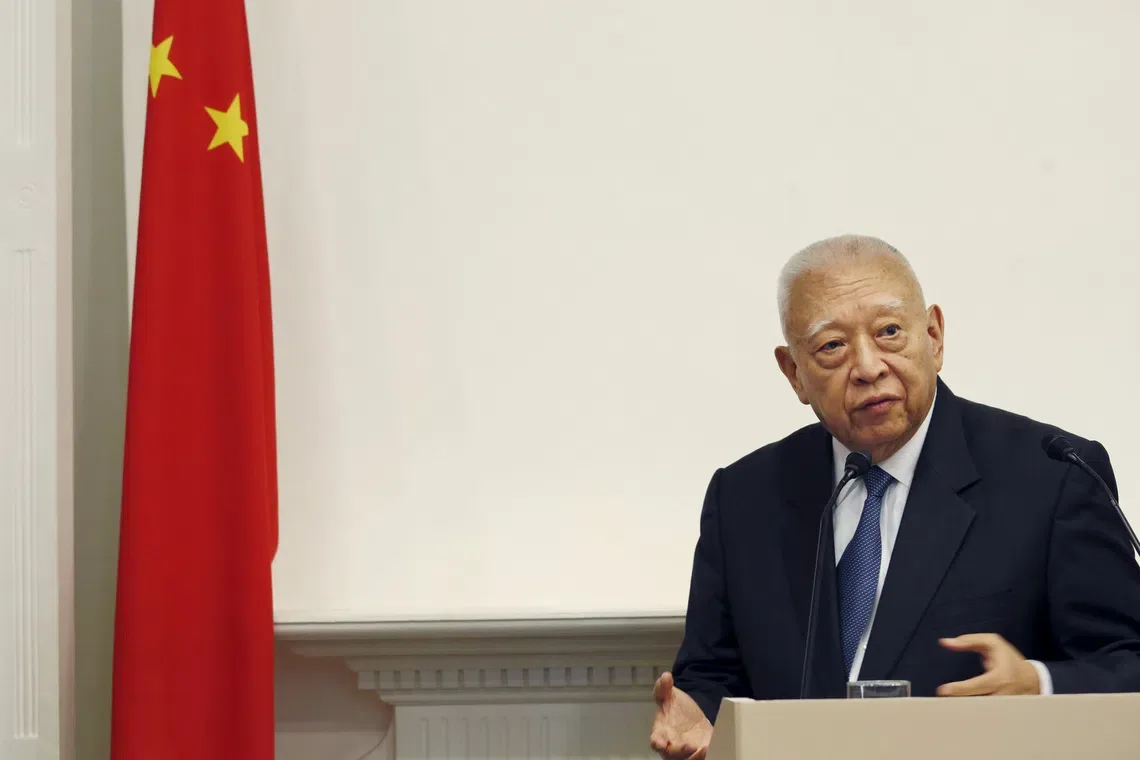
Tung Chee-hwa, Hong Kong’s first chief executive after the 1997 handover from British rule, has died at the age of 89, according to statements from his office. His passing concludes a chapter in the territory’s history as a transitional figure who navigated Hong Kong’s shift from colonial governance to Chinese sovereignty, often under intense political and economic pressure.
Tung’s Role in Hong Kong’s Post-Colonial Transition
Tung, a shipping magnate and Beijing loyalist, was selected by a pro-Beijing committee to lead Hong Kong after its handover, tasked with implementing the "One Country, Two Systems" framework. His leadership coincided with the city’s first major tests under Chinese rule, including the 1997 Asian financial crisis, the SARS epidemic, and widespread public unrest. Born in Shanghai in 1937, Tung moved to Hong Kong as a child and built his career in the family’s shipping business before entering politics.
His tenure began with a pledge to preserve Hong Kong’s autonomy and free-market system, but his administration faced immediate challenges. The 1997 avian flu outbreak and subsequent economic downturns strained public confidence, while his handling of the 2003 SARS crisis drew criticism. Tung’s government also sparked mass protests by proposing Article 23 legislation, a security law targeting subversion that many saw as a threat to civil liberties. The half-million-strong demonstration in July 2003 became a pivotal moment in Hong Kong’s political history, setting the stage for years of pro-democracy activism.
Resignation, Legacy, and Later Years
Tung resigned in 2005, citing health issues, though some analysts speculated about political pressures. His departure marked the end of an era of relative stability, as Hong Kong’s political landscape grew more contentious. Despite his resignation, Tung remained a visible figure in Beijing’s circles, serving as a vice chairman of China’s top political advisory body and maintaining ties with U.S. leaders like George W. Bush.
In later years, Tung increasingly aligned with Beijing’s stance on Hong Kong’s governance. He supported the 2020 national security law, which critics argued curbed freedoms, and endorsed the 2024 Article 23 legislation. His public presence waned in the 2010s, with reports noting his absence from major events, including the annual July 1 handover commemorations. However, he remained a symbol of the pro-Beijing establishment, receiving state honors for his contributions to "One Country, Two Systems."
Contrasting Perspectives on His Leadership
While Chinese state media praised Tung as a "distinguished social activist" and "close friend of the Communist Party," Hong Kong residents often viewed him more critically. His nickname "Old Dumb Tung" reflected declining public approval, fueled by perceptions of political inflexibility and mishandled crises. The 2003 protests and his administration’s response to SARS underscored the tensions between Beijing’s centralizing ambitions and Hong Kong’s aspirations for autonomy.
Tung’s legacy remains contested. For Beijing, he represents a pragmatic bridge between the territory and the mainland. For many Hong Kongers, he embodies the challenges of balancing autonomy with political control. His death comes amid ongoing debates over the city’s future, as recent security laws and electoral reforms have further reshaped its political landscape.
| Event | Details |
|---|---|
| 1997 Handover | Tung appointed as Hong Kong’s first chief executive under "One Country, Two Systems." |
| 2003 Article 23 Protests | Half-million demonstrators protest proposed security law; legislation is shelved. |
| 2005 Resignation | Tung steps down, citing health issues, after eight years in office. |
| 2020 National Security Law | Tung publicly supports the law, which criminalizes dissent in Hong Kong. |
| 2024 Article 23 Legislation | Hong Kong passes security law, which was initially proposed during Tung’s tenure. |
Frequently Asked Questions
What was Tung Chee-hwa’s role in Hong Kong’s history?
Tung Chee-hwa was Hong Kong’s first chief executive after the 1997 handover from British rule. He oversaw the city’s transition under the "One Country, Two Systems" framework, navigating economic crises, public health emergencies, and pro-democracy protests.
Why was Article 23 legislation controversial?
Article 23, proposed by Tung’s administration in 2003, aimed to criminalize subversion, treason, and sedition. Critics argued it threatened Hong Kong’s civil liberties, leading to mass protests. The bill was eventually shelved but resurfaced in 2024 as part of broader security measures.
How did Tung’s leadership impact Hong Kong’s political climate?
Tung’s tenure highlighted tensions between Beijing’s centralizing policies and Hong Kong’s aspirations for autonomy. His resignation in 2005 and later support for restrictive laws reflected the evolving dynamics of the territory’s relationship with the mainland.
Tung’s death leaves a void in Hong Kong’s political narrative, with his legacy serving as a lens through which the territory’s complex history under Chinese rule is viewed. As Hong Kong continues to grapple with its identity, the question of how his leadership shaped the city’s trajectory remains a subject of ongoing debate.
Dateline Wire is dedicated to independent, evidence-backed reporting. This briefing was synthesized from primary source reporting, corroborated across independent newsrooms, and verified against our Editorial Standards.