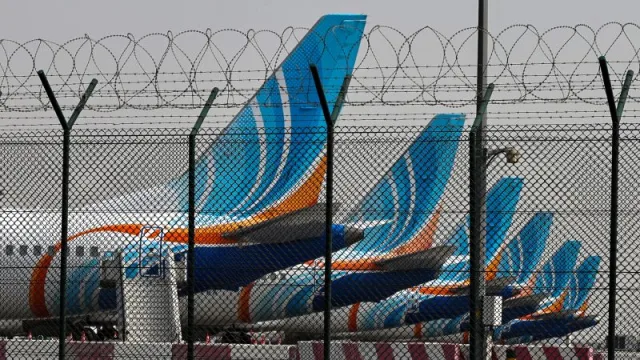
Flydubai pilot arrested after stabbing colleague in attempted crash
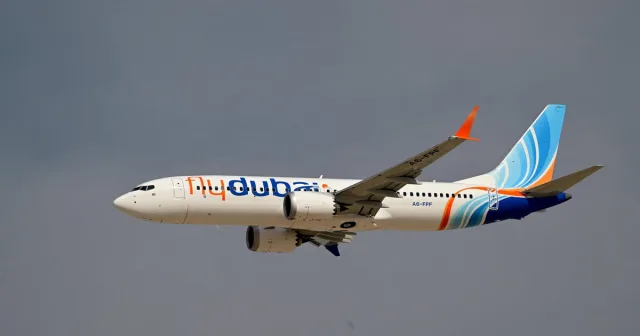
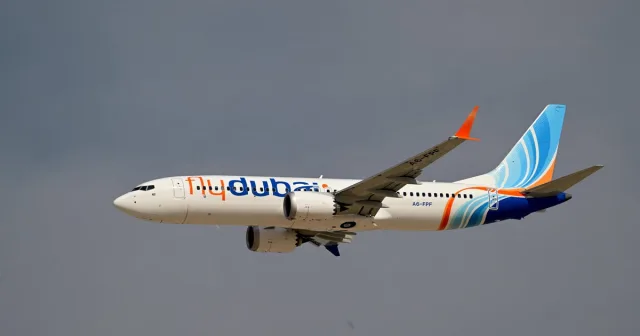
An Israel-bound Flydubai flight diverted to Saudi Arabia after a co-pilot stabbed his colleague and attempted to crash the aircraft. The incident led to allegations of a jihadist terror attack.
- Headline: Flydubai pilot arrested after stabbing colleague in attempted crash
- Dispatch Summary: An Israel-bound Flydubai flight diverted to Saudi Arabia after a co-pilot stabbed his colleague and attempted to crash the aircraft. The incident led to allegations of a jihadist terror attack.
- Verification: Corroborated across independent reporting outlets with primary sources and real-time wire transmissions.
Pilot Stabs Colleague, Attempts to Crash Israel-Bound Flight
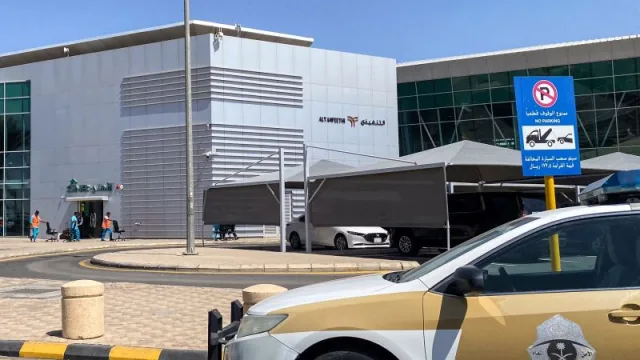
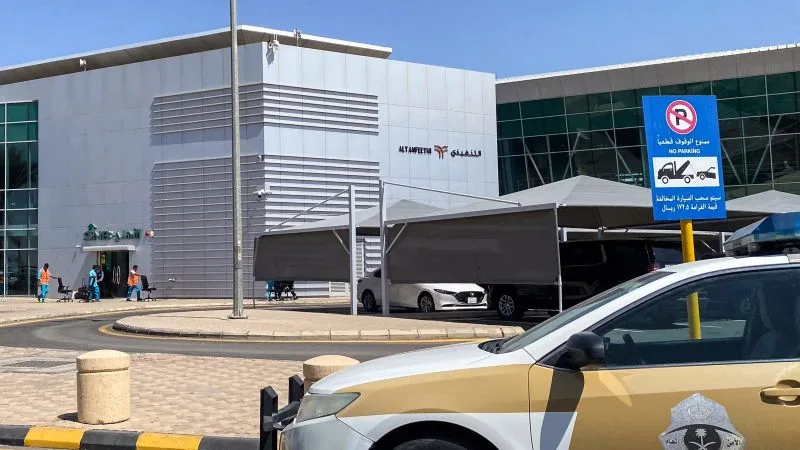
A pilot on a Flydubai flight from Dubai to Tel Aviv stabbed another pilot and allegedly attempted to crash the plane, prompting an emergency diversion to Saudi Arabia and a global security alert. Israeli Prime Minister Benjamin Netanyahu described the incident as a “most serious security incident,” citing accounts from passengers who said the aircraft plunged 14,125 feet in less than a minute before stabilizing. The attack, which occurred around 1:31 a.m. ET on Wednesday, forced the Boeing 737 to land at Tabuk Airport, where the suspected attacker — a co-pilot identified as an Omani national — was arrested by Saudi authorities.
The incident unfolded as the plane approached Israeli airspace. Netanyahu reported that one pilot stabbed the other, with passengers and crew members intervening to subdue the assailant. “They saved many lives. They prevented a heavy disaster,” Netanyahu said, quoting a passenger’s account of the cockpit struggle. Flight tracking data showed the aircraft descending 14,125 feet in 29 seconds, triggering a hijacking alert (code 7500) before the emergency landing.
| Detail | Information |
|---|---|
| Flight Number | FZ1073 |
| Origin | Dubai, United Arab Emirates |
| Destination | Tel Aviv, Israel |
| Diversion Location | Tabuk Airport, Saudi Arabia |
| Passenger Estimate | ~180 (mostly Israeli) |
| Altitude Drop | 14,125 feet in 29 seconds |
| Injuries | Captain and co-pilot hospitalized; no passenger injuries reported |
| Arrested Individual | Omani co-pilot (identity not publicly confirmed) |
Passengers Describe Chaos, Blood, and Near-Crash
Passengers described scenes of panic and bloodshed as the incident unfolded. One traveler, Ariel Oseran, shared a video on social media showing a pilot covered in blood and pleading for help. “We are landing in Tabuk in Saudi Arabia area, an unknown and unfamiliar area. Everyone on the plane is healthy and whole except for the pilot,” he said. Another passenger recounted the plane “going into a spin and beginning to dive,” with crew members and passengers breaking into the cockpit to subdue the attacker.
Israeli media published images of a passenger with blood-stained clothing, though the individual’s identity remains unconfirmed. The mother of one passenger, Miriam Shira Ohayon, described her daughter’s account of the event: “The plane started to lose control, so all the people screamed, they think they are going to die.” The flight’s rapid descent, which briefly raised fears of a crash, was later stabilized by a second set of pilots on board, who took over the controls to land the plane safely.
Israeli Officials Condemn as ‘Terrorist Attack’
Israeli Defense Minister Israel Katz labeled the incident an “attempted jihadist terror attack,” though no evidence of external coordination was provided. Netanyahu and other officials emphasized the gravity of the event, with the prime minister ordering “tighter security on both Israeli and non-Israeli carriers flying into Israel.” The Israeli Transport Ministry announced a joint investigation with the defense establishment, while Saudi Arabia’s Cluster2 airport operator confirmed both pilots were hospitalized but did not comment on the attacker’s identity or motive.
The incident has heightened security concerns in Israel ahead of its upcoming parliamentary election, with far-right ministers like Itamar Ben-Gvir calling for stricter measures. “Terrorism is a devil with whom no agreement must be reached,” Ben-Gvir wrote on social media. Meanwhile, the UAE, which has close security ties with Israel, has not yet commented on the event, while Flydubai reiterated that the motive remains under investigation.
Unanswered Questions and Ongoing Investigations
Key details about the incident remain unresolved. The identity of the attacker, the weapon used, and the motive for the alleged attack are still under scrutiny. Israeli officials have raised questions about how an Omani pilot, countries with which Israel does not have diplomatic relations, was cleared to operate a flight to Tel Aviv. Flydubai’s spokesperson urged caution, stating, “We urge all parties to refrain from premature speculation while authorities gather the facts.”
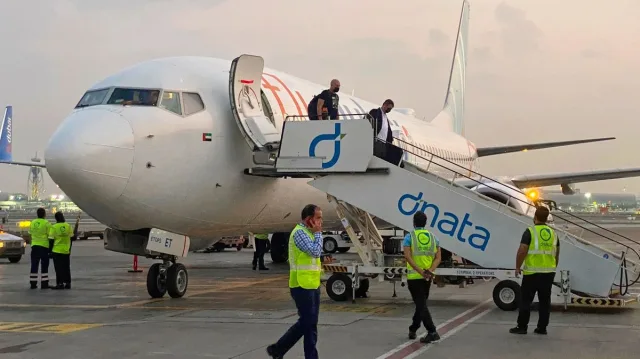
Saudi Arabia has also faced criticism for refusing to allow Israeli aircraft to transport stranded passengers, despite Israel’s request. A replacement Flydubai flight eventually brought most passengers to Ben Gurion Airport, though three families reportedly declined to board, demanding an Israeli carrier. The incident has sparked renewed debate over aviation security protocols, with experts noting the rarity of cockpit-based threats in modern aviation.
Frequently Asked Questions
What was the motive behind the pilot’s actions?
Authorities have not confirmed a motive. Israeli officials have not provided evidence linking the incident to terrorism, though some, like Defense Minister Israel Katz, called it an “attempted jihadist attack.” The airline and Saudi authorities emphasize the investigation is ongoing.
Who was the attacker, and what is their background?
The co-pilot, identified as an Omani national by Israeli officials, was arrested by Saudi authorities. Flydubai has not publicly confirmed the identity, and no details about the attacker’s background or training have been released.
How did the incident impact Israel’s security protocols?
Netanyahu ordered stricter security measures for all carriers flying into Israel, including enhanced vetting of pilots. The event has also reignited discussions about the risks of cockpit breaches, despite existing protocols like locked cockpit doors.
The next critical step is the conclusion of the joint Israeli-Saudi investigation, which will determine whether the incident was an isolated act or part of a broader threat. Meanwhile, the safety of the 180 passengers, now back in Israel, remains a priority as families and officials grapple with the aftermath of what could have been a catastrophic event.
How significant is this wire dispatch?
Cast your anonymous vote to register reader consensus across journalism and intelligence sectors.
Dateline Wire is dedicated to independent, evidence-backed reporting. This briefing was synthesized from primary source reporting, corroborated across independent newsrooms, and verified against our Editorial Standards.