Gadi Eisenkot reaches out to Netanyahu allies as he strives to form gove…
Tasked with forming a new Israeli government, opposition leader Gadi Eisenkot faces a narrow path to a Knesset majority while Netanyahu's allies attempt to block him.
World Desk. (2026, November 9). Gadi Eisenkot reaches out to Netanyahu allies as he strives to form gove…. Dateline Wire. https://www.datelinewire.com/world/gadi-eisenkot-israel-government-coalition-formation/
@article{datelinewire1558,
  author  = "World Desk",\n  title   = "Gadi Eisenkot reaches out to Netanyahu allies as he strives to form gove…",\n  journal = "Dateline Wire",\n  year    = 2026,\n  url     = "https://www.datelinewire.com/world/gadi-eisenkot-israel-government-coalition-formation/"\n}
[Gadi Eisenkot reaches out to Netanyahu allies as he strives to form gove…](https://www.datelinewire.com/world/gadi-eisenkot-israel-government-coalition-formation/) — *Dateline Wire* (2026).
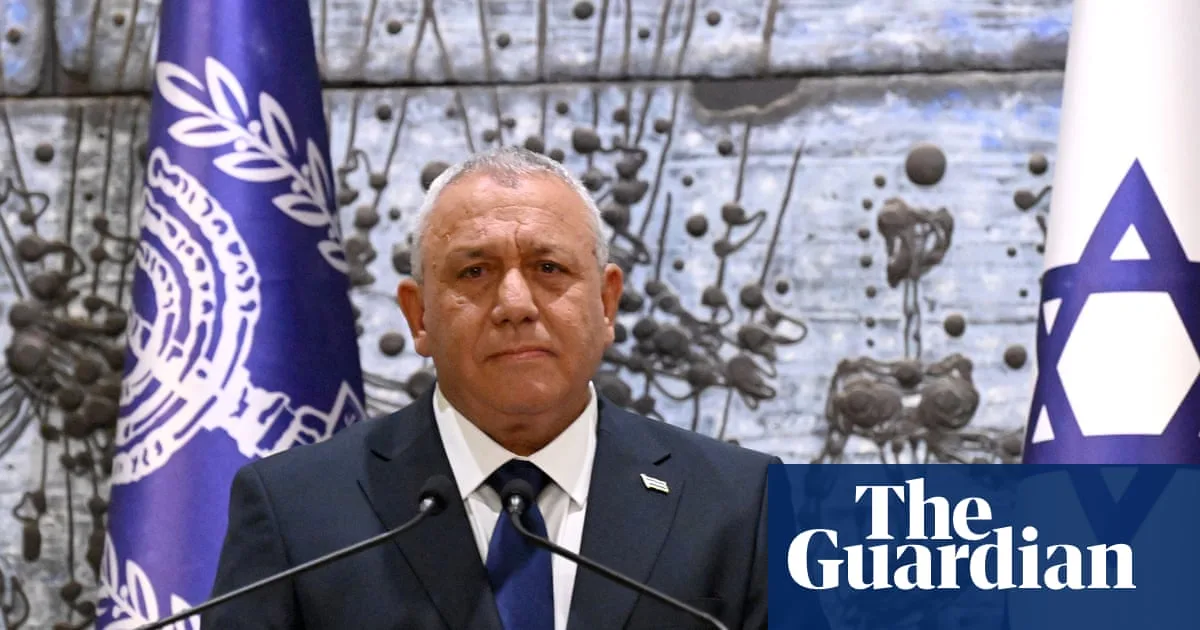
We are in a state of emergency, approaching a point of no return for the state of Israel, Gadi Eisenkot said on Sunday, wearing a suit and tie instead of his usual all-black attire at a ceremony at the presidential office.
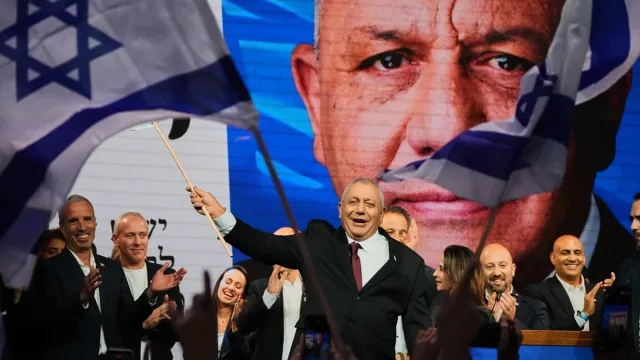
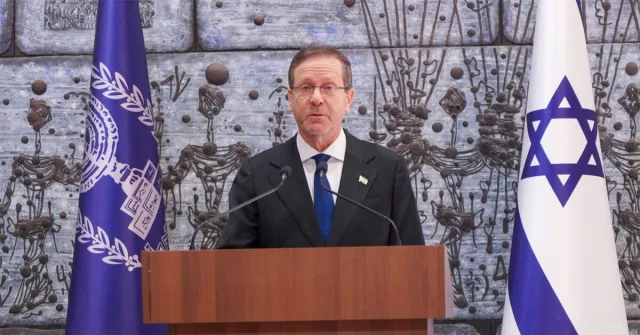
Israel’s President Isaac Herzog has tasked Eisenkot, the leader of the Yashar party and the main rival of Prime Minister Benjamin Netanyahu, with forming a new government following the election. The decision, announced on Saturday, hands the initial mandate to Eisenkot despite his bloc lacking a clear parliamentary majority. Netanyahu’s religious nationalist coalition lost its majority in the vote but remained the largest bloc in the 120-member Knesset with 53 seats, leaving both main camps short of the 61 seats needed to govern.
How can Eisenkot build a coalition with 48 seats?
Eisenkot faces a narrow and difficult path to securing the premiership after his wide-ranging opposition bloc won 48 seats in the election. To reach the 61-seat majority required in the Knesset, the former military chief must navigate three distinct and difficult political routes. He can attempt to form a minority government relying on Arab parties for outside support, seek an agreement with ultra-Orthodox parties despite opposing their traditional draft exemptions, or negotiate a power-sharing unity government with Netanyahu.
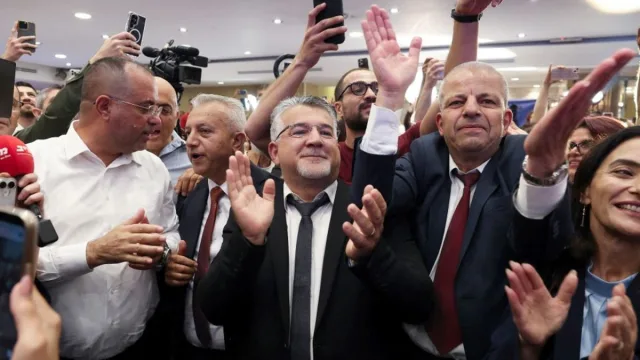
Each of these paths contains steep obstacles. Eisenkot has previously ruled out forming a formal coalition with Israel’s Arab parties, whose support gave him the highest number of endorsements during consultations with President Herzog. One of Eisenkot’s own coalition partners, the conservative Yisrael Beiteinu party, has already stated it will not join any government backed by Arab-led factions. Furthermore, Eisenkot has set strict conditions for any Arab party engagement, including recognition of Israel as a Jewish state and classifying Hamas as a terrorist organization.
What are Netanyahu and his allies doing to block the transition?
Netanyahu is fighting to retain power after his religious-nationalist coalition fell eight seats short of a majority, with his own Likud party winning 27 seats. Behind the scenes, Netanyahu’s close associate Natan Eshel repeatedly contacted Ra’am leader Mansour Abbas before, during, and after the election to urge him against backing Eisenkot, according to a Channel 12 report. In published transcripts, Eshel asked Abbas whether Ra’am would help Eisenkot pass a law barring an indicted lawmaker from forming a government, which would block Netanyahu from returning to office due to his ongoing corruption trial.
Eshel also pressed Abbas on whether Ra’am would support Eisenkot from outside the coalition, eventually complaining to associates that he asked Arab figures whether they had any self-respect when supporting a leader who excluded them. Abbas reportedly responded to Eshel that his party would do what served its own interests. Meanwhile, Netanyahu has publicly claimed the election was stolen by Arab parties that mobilized large voter turnouts, though he has provided little to no evidence. Israel’s Shin Bet security agency has launched an investigation into potential foreign interference, though the Central Elections Committee and President Herzog maintain the vote was valid.
Why are international pressures complicating the political crisis?
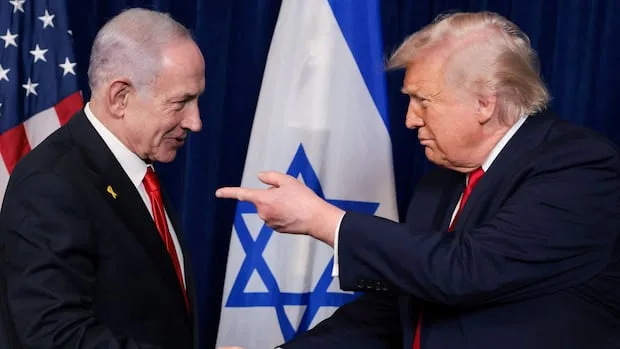
Eisenkot and President Herzog both pointed to Israel's growing diplomatic isolation under Netanyahu, who is wanted by the international criminal court. Eisenkot highlighted the strain during his address at the presidential residence, stating that Israel is in the midst of a devastating diplomatic crisis where even its closest strategic allies are questioning the relationship. These tensions have been exacerbated by the aftermath of the war in Gaza and an unpopular Iran war launched by Netanyahu alongside Donald Trump.
The geopolitical landscape shifted further when US Democrats swept the midterm elections on Tuesday, bringing immediate calls from Washington to rein in Israel's military actions. Eisenkot has also moved to distance himself from Netanyahu’s far-right allies, Finance Minister Bezalel Smotrich and Itamar Ben Gvir, both of whom have faced Western sanctions for allegedly inciting violence against Palestinians. Eisenkot has vowed to crack down on extremist West Bank settlers who attack Palestinians with impunity, labeling those actions as Jewish terror abetted by Netanyahu’s government.
What happens if the 42-day deadline expires without a deal?
Eisenkot holds an initial 28 days to build a coalition, with an optional 14-day extension from President Herzog, giving him a maximum of 42 days to secure a government. If Eisenkot fails to reach the 61-seat threshold, the president can transfer the mandate to another candidate, and parliament may eventually nominate a further contender if that attempt collapses.
The entire legislative process could take approximately 100 days. If all attempts to form a stable administration fail, Israel will be forced to hold fresh elections, repeating the cycle of political deadlock that saw the country hold five separate national votes between 2019 and 2022.Video: Israel Elections: Will Netanyahu Return To Power? | Gadi Eisenkot | Gaza | The Whole Story — CNBC-TV18 (YouTube)
The World Desk covers international affairs, conflicts, diplomacy and humanitarian crises. Each report brings together wire services, regional press and official statements, notes where their accounts differ, and makes clear which claims come from governments and which from independent reporting. Casualty and damage figures are attributed to the authority that counted them, never averaged. Story tips: [email protected].