Multiple European flights diverted and grounded following bomb threats
A surge of bomb threats forced emergency landings and security scrutiny across European airspace, raising concerns about a deliberate campaign.
Multiple European flights diverted and grounded following bomb threats
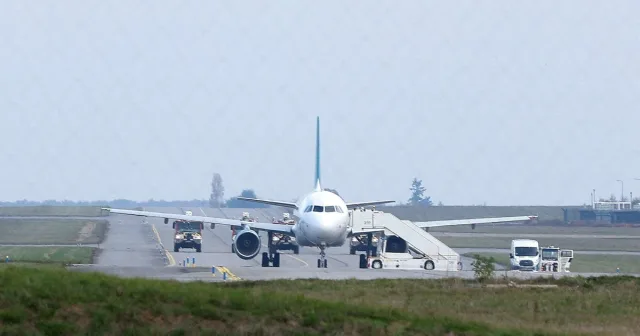
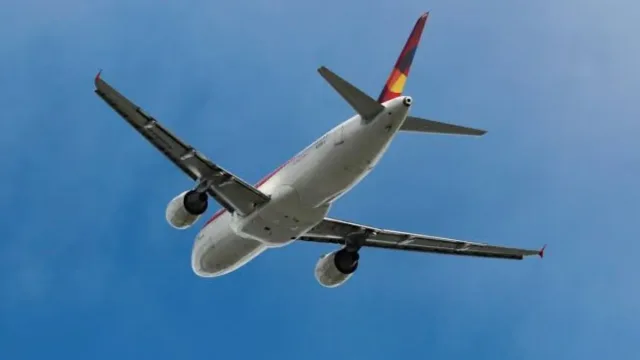
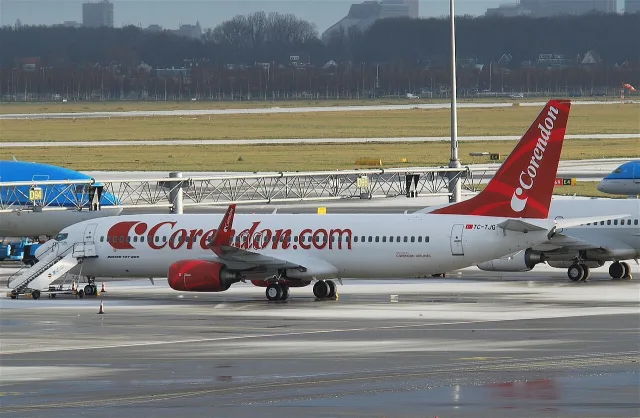
At least 15 commercial flights across Europe were forced to divert, make emergency landings, or face intensive security scrutiny on Thursday, November 5, 2026, following a surge of bomb threats. This widespread disruption is a notable escalation from a similar series of seven incidents that occurred just two days earlier. For the thousands of passengers affected, the events meant sudden, mid-air changes in course, military escorts, and the deployment of bomb disposal teams across multiple international airports.
The scale of the disruption has prompted urgent questions about whether the continent is facing a coordinated "hybrid" campaign designed to test, strain, or undermine European aviation security systems. While government officials have labeled the threats as hoaxes, the sheer volume of incidents—now exceeding 20 in the past week—has shifted the conversation from isolated security breaches to the potential for a deliberate, continent-wide effort to create chaos.
Escalation in the skies
The Thursday wave of alerts involved a diverse range of airlines and routes. Among the most prominent incidents was Aer Lingus flight EI402, flying from Dublin to Rome, which was diverted to a military base in Evreux, France, after receiving a threat. The aircraft, carrying 151 passengers and six crew members, landed safely at the military facility, where it was met by bomb disposal teams. Flight tracking data captured the jet making sharp turns and circling before its final, emergency approach.
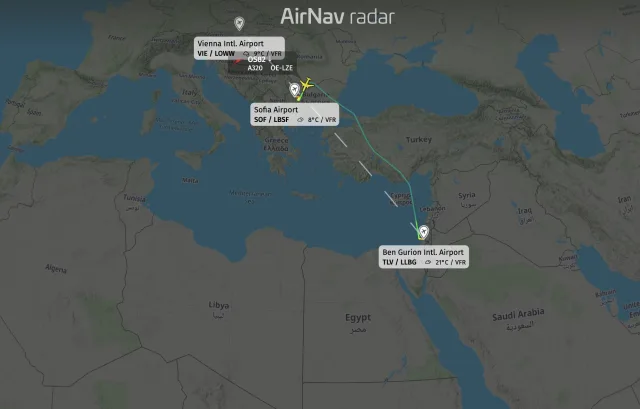
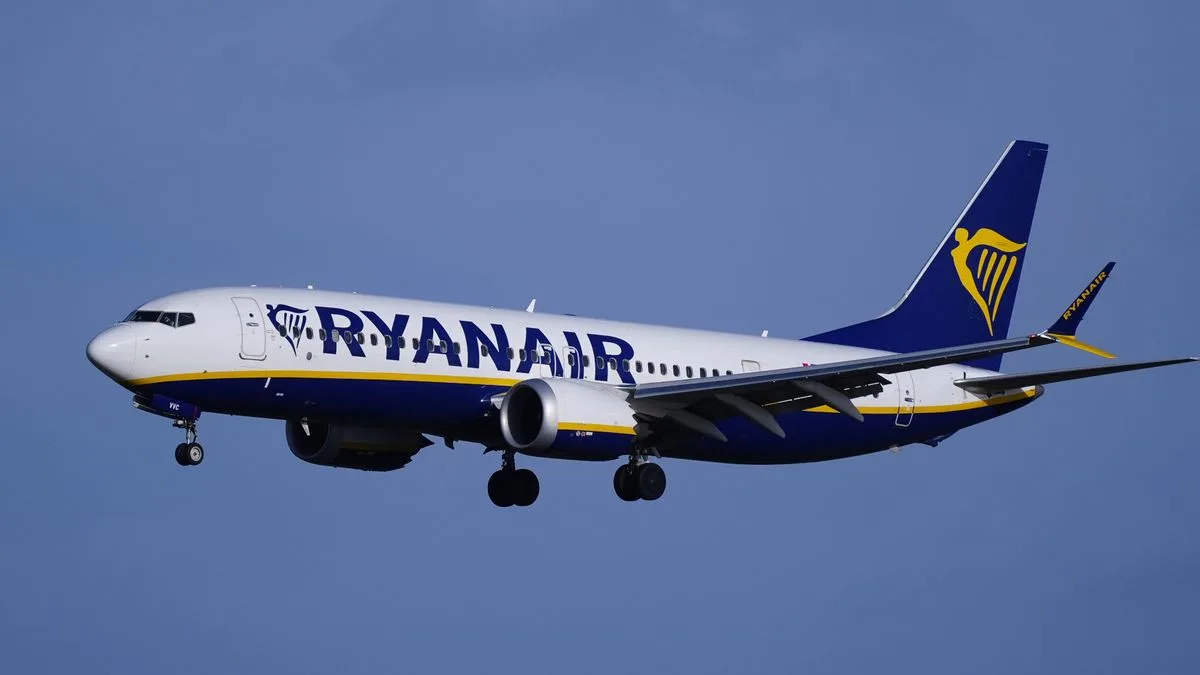
Simultaneously, Bulgaria saw three separate emergency landings. Three Ryanair flights bound for Sofia, originating from Madrid, Copenhagen, and London Stansted, were forced to divert. Two landed at Vasil Levski Airport in Sofia, while the third was redirected to Plovdiv. Bulgarian authorities confirmed that no explosives or suspicious items were found on any of these aircraft.
Other incidents included a Wizz Air flight from Milan to Warsaw that diverted to Vienna, and a Finnair flight from Helsinki to Rome that was escorted into Italian airspace by fighter jets. Upon arrival at Rome's Fiumicino Airport, bomb disposal experts cleared the Finnair plane. In the Czech Republic, authorities reported receiving threats against four separate flights heading to Prague. Czech police noted that while they assessed the credibility of these specific threats as low, all four planes underwent inspections, which ultimately yielded negative results.
The question of coordination
While no government has definitively linked the Thursday incidents to a specific actor, experts are drawing parallels to rising concerns over state-sponsored sabotage. Paul Mason, an air transport security specialist, stated that because these threats were made in a credible manner across a broad range of airlines, the situation suggests a very deliberate act by a specific actor rather than a load of coincidental, malicious calls.
Paul Mason, air transport security expert, via BBC
It sounds like they've been made in a credible manner across a broad range of airlines. That would suggest to me that it's been a very deliberate act by a typical actor rather than a load of coincidental, malicious calls.
The broader context for this unease is a series of warnings from European intelligence agencies regarding hybrid warfare. In October, the head of the British domestic spy agency MI5, Sir Ken McCallum, warned that the security landscape was evolving, with state actors aiming at people, businesses, communities. He specifically cited the Russian military and intelligence services as escalating their attempts at hybrid warfare while remaining just below the threshold that would trigger a formal NATO response. Beyond the aviation sector, European infrastructure has seen recent cyberattacks targeting French blood banks and the cooling systems of grocery store chains, none of which have been claimed by any group or individual.
The cost of safety
For the aviation industry, these threats impose heavy operational burdens. Airlines must balance the duty to protect passengers with the need to maintain schedules in an environment where the sheer number of alerts risks desensitizing response protocols. Wizz Air, in a formal statement, emphasized that the diversion of its Milan-to-Warsaw flight was initiated in accordance with established security protocols and procedures to ensure the safety of those on board, while noting that other carriers were facing similar pressures.
The geopolitical implications are becoming increasingly public. Barry Andrews, an Irish Member of the European Parliament, pointedly linked the diversion of the Aer Lingus flight to the broader climate of insecurity in Europe, specifically referencing a major European summit scheduled to take place in Dublin next week. He asked, Does anyone still deny Ireland faces serious security threats?
Despite the operational strain, the immediate risk assessment remains unchanged: authorities across the affected nations have reported that no explosives or hazardous materials were found on any of the inspected planes. However, the lack of a perpetrator or a claimed motive means that current security measures are operating in a state of high uncertainty. As of Thursday, there is no official consensus on whether the threats are emanating from a single centralized group or if multiple entities are seizing upon the same tactic to cause systemic disruption.
The persistence of these incidents suggests that even in the absence of physical explosives, the psychological and economic impact of these threats is the primary objective of the campaign. Whether these maneuvers are part of an intelligence-gathering exercise or a sustained attempt to destabilize the European transport network remains an open question for security services tasked with managing the next wave of alerts.
Updated 1 time since publication; last update 10 November 2026, 20:16.