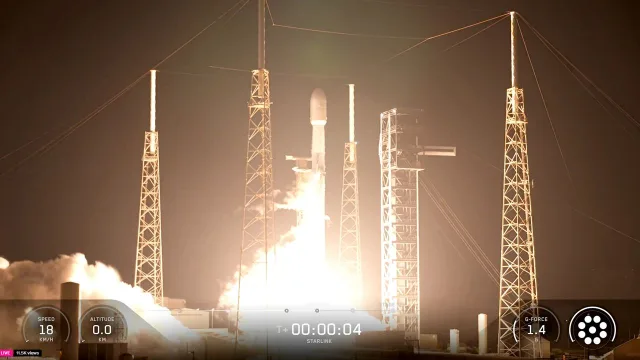
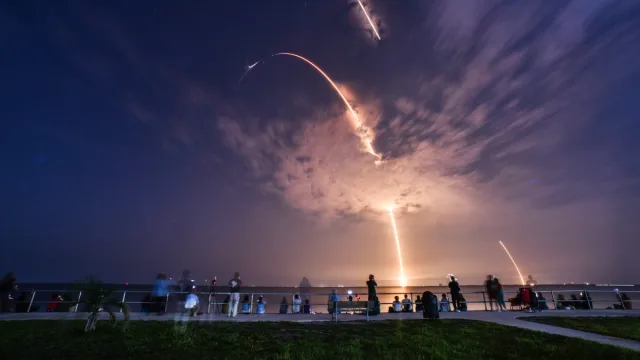
SpaceX to launch Starship into orbit for the first time
SpaceX's Starship is set for its first orbital attempt during Flight 14, a mission designed to deploy 26 Starlink V3 satellites and test the rocket's viability.
- Headline: SpaceX to launch Starship into orbit for the first time
- Dispatch Summary: SpaceX's Starship is set for its first orbital attempt during Flight 14, a mission designed to deploy 26 Starlink V3 satellites and test the rocket's viability.
- Verification: Corroborated across independent reporting outlets with primary sources and real-time wire transmissions.
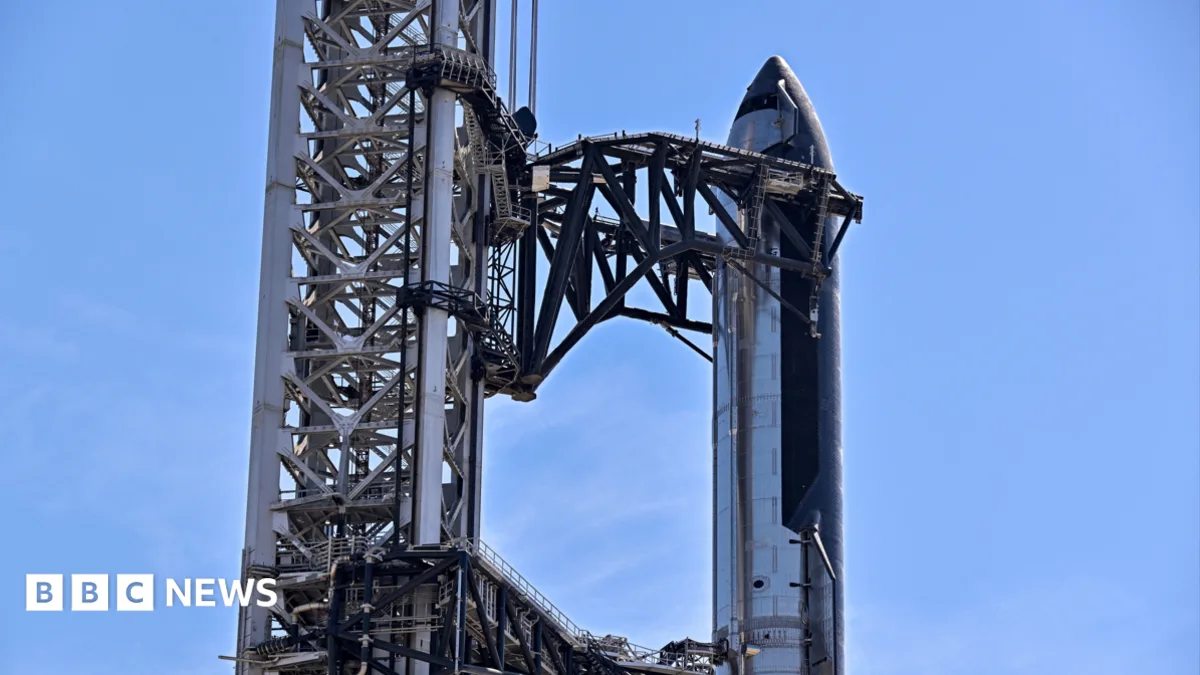
SpaceX is set to make history on Monday, September 28, 2026, as its Starship rocket attempts to enter Earth’s orbit for the first time. This 14th test flight, dubbed Flight 14, represents a pivotal step in the development of the world’s most powerful rocket, designed to enable deep-space exploration and commercial spaceflight. The mission, scheduled to last approximately 10 hours, will test capabilities critical to SpaceX’s long-term goals, including lunar landings, Mars colonization, and a fully reusable rocket system.
First Orbital Test for Starship
For the first time in its 13 prior test flights, Starship will attempt to achieve a stable orbit around Earth. The rocket, which stands 124-metre-tall when fully stacked, will follow a suborbital trajectory initially before executing a second engine burn to reach orbit. If successful, Starship will circle Earth six times at an altitude of approximately 275 kilometers (171 miles) before splashing down in the Pacific Ocean off the coast of Chile. The Super Heavy booster, which provides the initial thrust, will separate shortly after liftoff and aim for a controlled splashdown in the Gulf of Mexico.
The mission will also deploy 26 next-generation Starlink V3 satellites, marking the first time Starship has carried operational payloads into orbit. Three of these satellites are equipped with cameras to monitor the spacecraft’s heat shield during reentry, providing critical data for future missions. This test aligns with SpaceX’s broader objective of refining orbital operations, including in-space refueling and rapid reusability, which are essential for NASA’s Artemis program and potential Mars missions.
Technical Challenges and Upgrades
Starship’s journey to orbit has been fraught with technical hurdles. Over the past three years, nearly half of its 13 test flights ended in explosions or partial failures, underscoring the complexity of its design. For Flight 14, SpaceX has incorporated several upgrades, including an improved heat shield with enhanced tile retention mechanisms and a curved tile design to reduce thermal stress. The heat shield, which must withstand temperatures exceeding 2,500°F during reentry, has been a focal point of development. Two tiles from the previous Starship prototype (Ship 40) will be reused on Ship 41, informed by data from its successful July 2026 splashdown in the Indian Ocean.
Another key challenge is the reliability of the Super Heavy booster’s engine relighting. During its July test flight, the booster struggled to ignite all 13 engines during a landing maneuver, prompting SpaceX to implement hardware and software modifications. The company has also adjusted its flight path to avoid populated areas, following incidents in 2025 where debris from failed launches caused public concern.
Mission Objectives and Implications
The success of Flight 14 could signal a transition for Starship from a prototype to an operational vehicle. SpaceX aims to demonstrate its ability to reach orbit, deploy satellites, and safely return to Earth—steps necessary to secure its role in NASA’s Artemis program. The agency has contracted SpaceX to develop a human landing system for lunar missions, but the rocket must first prove its reliability in orbital operations and in-space refueling.
Elon Musk has emphasized the importance of this test, stating that achieving full reusability is “preposterously difficult” but essential for reducing the cost of space travel. “If full and rapid reusability can be achieved, it reduces the cost of access to orbit by a factor of 100 or more,” he said in a 2021 interview. However, SpaceX faces competition from other aerospace firms, including Blue Origin’s Blue Moon vehicle, which is also in contention for NASA’s lunar lander contract.
Timeline and Next Steps
The launch window opens at 8:15 a.m. ET (7:15 a.m. CT) from SpaceX’s Starbase facility in South Texas. If successful, Flight 14 will pave the way for future tests, including attempts to land Starship on the launch tower and conduct in-space refueling. NASA’s Artemis III mission, which aims to land astronauts on the Moon by 2028, will depend on these developments. However, the agency has yet to finalize its lunar lander selection, with Blue Origin’s Blue Moon vehicle also in contention.
| Detail | Information |
|---|---|
| Launch Date | September 28, 2026 |
| Flight Number | 14 |
| Launch Window | 75 minutes starting at 8:15 a.m. ET (7:15 a.m. CT) |
| Orbital Altitude | ~275 km (171 miles) |
| Orbits | 6 |
| Satellites Deployed | 26 Starlink V3 satellites |
| Splashdown Locations | Pacific Ocean (Chile) and Gulf of Mexico |
Frequently Asked Questions
What is the significance of Starship’s first orbital flight?
This mission marks a critical transition for Starship from a prototype to an operational vehicle. Successfully reaching orbit will demonstrate its capability to support future lunar and Martian missions, as well as commercial satellite deployments.
What are the risks involved in this test flight?
Previous Starship tests have ended in explosions or partial failures, highlighting the complexity of its design. Risks include engine relighting failures, heat shield malfunctions, and the potential for uncontrolled reentry. SpaceX has adjusted flight paths to minimize risks to populated areas.
The outcome of Flight 14 will determine the next phase of Starship’s development. If successful, it could accelerate SpaceX’s plans for lunar landings and Mars colonization. However, the company must still overcome challenges related to in-space refueling and rapid reusability. As NASA and other space agencies look to the Moon and beyond, Starship’s performance will be a defining factor in the future of human space exploration.
How significant is this wire dispatch?
Cast your anonymous vote to register reader consensus across journalism and intelligence sectors.
Dateline Wire is dedicated to independent, evidence-backed reporting. This briefing was synthesized from primary source reporting, corroborated across independent newsrooms, and verified against our Editorial Standards.