Tesla to wind down Cybertruck production in Texas next year to ramp Cybe…
Tesla plans to wind down Cybertruck manufacturing in Texas next year as CEO Elon Musk pivots the factory toward autonomous Cybercab robotaxis and AI.
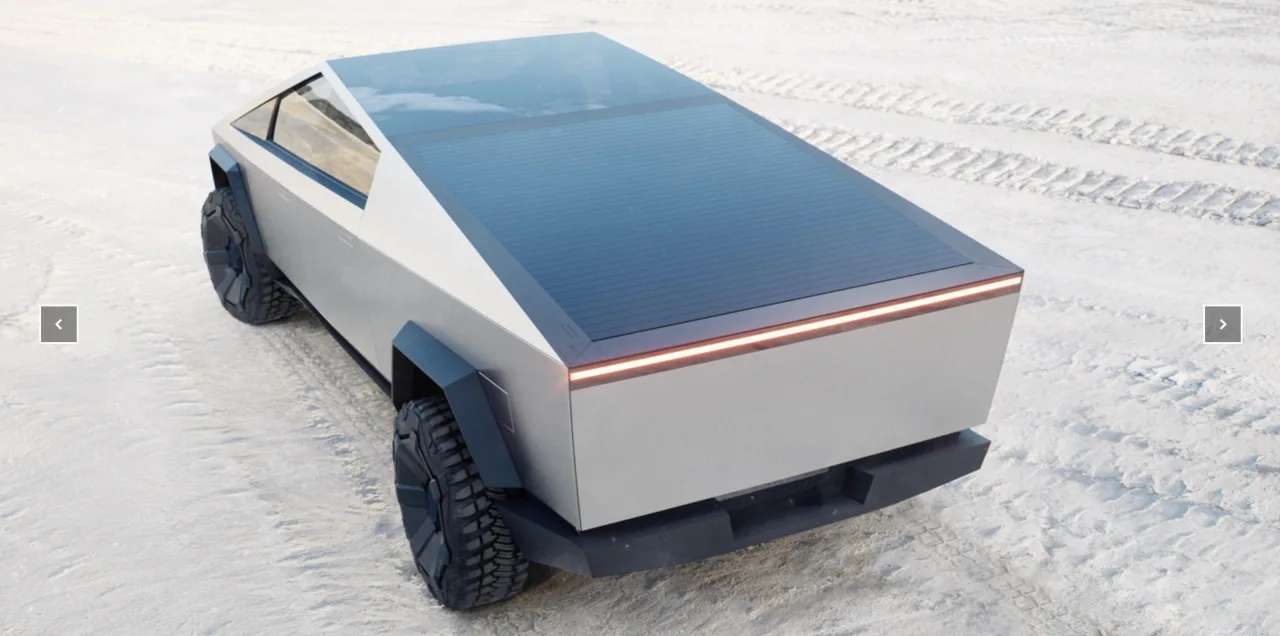
Tesla is bringing production of the stainless-steel Cybertruck to a halt next year at its facility outside Austin, Texas, as CEO Elon Musk redirects the factory toward increased production of the Cybercab robotaxi.
From Science-Fiction Spectacle to Unceremonious End
Musk announced the model's demise in a Friday post on X, noting that production will be winding down
around the middle of 2027. For a pet project of Musk who insisted it was Tesla's best product, the decision marks an unceremonious end to one of the auto industry's most ballyhooed debuts.
Few vehicles in history have generated as much attention,
said Armen Hareyan, whose Torque News site covers autos, adding that the truck became a cultural symbol that was loved, mocked and impossible to ignore.
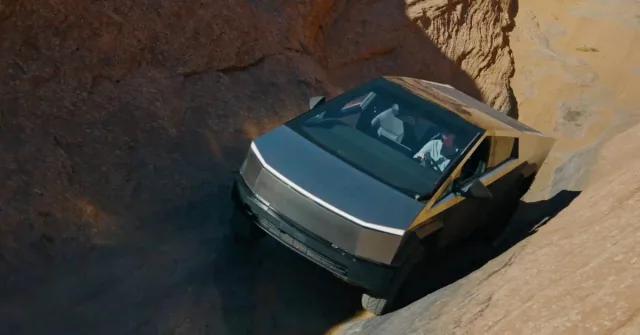
The vehicle rolled onto the scene in 2019 during a dramatic unveiling where a designer hurled a metal ball at the window to demonstrate supposedly unbreakable glass, only to see it shatter twice. Musk originally stated he wanted to make a futuristic battle tank. I just wanted to make a futuristic battle tank -- something that looks like it could come out of Blade Runner or Aliens or something like that but was also highly functional,
he told Automotive News, calling it a better sports car than a Porsche 911
and a better truck than an F-150.
That brash rollout preceded a three-year run plagued by unfulfilled promises. Musk's initial 2019 claims that the cheapest version would cost under $40,000 and the top-end model would get 500 miles of range gave way to a starting price of $60,990. Production faced delays from finalizing the design, producing large stainless-steel doors, and the COVID-19 pandemic. Over its lifetime, the truck faced severe manufacturing issues and multiple recalls, including a 2024 recall over accelerator pedals, a 2025 recall of more than 46,000 units for detaching exterior panels, and an April recall of 173 units over brake rotor issues. In total, the National Highway Traffic Safety Administration tracked 11 voluntary recalls.
Sales Realities and Political Backlash
While Musk once forecast he would build 250,000 Cybertrucks a year, Kelley Blue Book estimated Tesla sold just 20,237 of the vehicles last year, down about half from the year prior. Sales through the end of September this year dropped another 28%, building toward a total of around 71,000 sold since the vehicle went on sale in 2023. Kelley Blue Book's update shows that 11,586 Cybertrucks were sold in the U.S. during the first nine months of 2026. Those figures fell drastically short of Musk's claims that demand was so far off the hook, you can't even see the hook, and that the company had over 1 million pre-orders.
A really controversial vehicle unveiled by a controversial individual into a market where none of the electric trucks have been able to really capture demand,
said Spencer Penn, a former Tesla executive who left the company before the Cybertruck's launch and now heads procurement software firm LightSource.
Penn watched the unveiling and initially felt revolted by the sight, calling its appearance madness
before signing up for a presale reservation. He ultimately did not purchase one when the under-$40,000 price tag went unmet. He called the vehicle part of Tesla's adventurous spirit, noting that some of these bets work and some of these bets don't.
Beyond design and pricing hurdles, the truck became a polarizing cultural signifier as Musk allied with right-wing figures, most notably U.S. President Donald Trump, after pouring hundreds of millions of dollars into helping Republicans win Tuesday's elections. His image morphed from eccentric innovator to polarizing force trading his billions for political influence. Once-passionate drivers rushed to sell off their cars or slapped bumper stickers reading, I bought this before Elon went crazy.
Demonstrators urged investors to dump shares, while anger spilled into violence with Molotov cocktails hurled at Tesla vehicles, charging stations set ablaze, and dealerships covered in graffiti. Owners became targets for shouts of Nazi!
and extended middle fingers.
Ross Blankenship experienced that friction firsthand. He bought a Cybertruck out of childhood fascination with Halo and a desire to be part of future automotive technology. I had that sort of child in me wanting to be part of something cool that would change the future of automotive,
Blankenship said in a call from his vehicle while driving through Sunnyside, Colo. Even though he agreed with Musk on politics, he hated seeing a vehicle he loved turned into a political symbol, calling the production end a sad moment.
Wall Street Relief and Autonomous Hurdles
Wall Street responded with immediate relief to the shift toward autonomous robotaxis following the midterm elections. Tesla shares rose 4.75% to $360.01 as of 2:11 p.m. ET on November 6, 2026, outperforming an S&P 500 tracking fund that gained 0.8% during the same session, as reported by 247wallst.com. The stock bounce followed heavy losses that left shares down 10.73% over one week and 19.95% year to date.
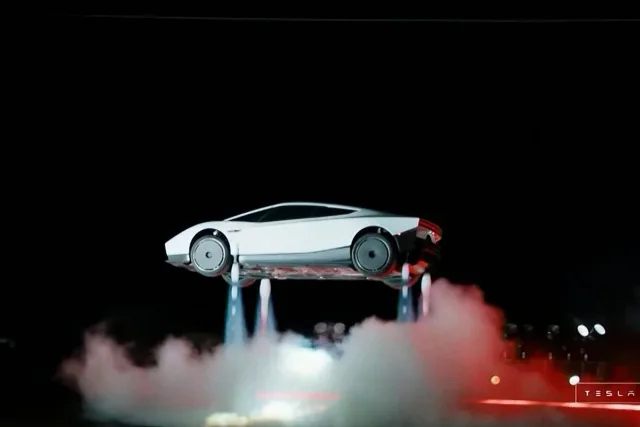
The market is cheering the removal of a margin drag, but the underlying bet remains risky. Tesla trades at roughly 357 times earnings with a 4.6% operating margin. On the October 21 earnings call, engineering chief Lars Moravy said Tesla is building Cybercabs at the rate that the Robotaxi service needs the vehicles, while Musk predicted robotaxi revenue starts to become noticeable probably in Q2 and then probably a big deal by Q3 or Q4 of next year. CFO Vaibhav Taneja named regulatory approvals as the primary obstacle for deploying Cybercabs as fast as they can be produced. Tesla began offering paid rides in steering-wheel-free Cybercabs in limited parts of Austin in early September, sparking a federal investigation into safety standards.
Tesla has not issued a press release on the change, its latest 8-K from October 21 still lists the Cybertruck in its brand lineup, and Musk has not disclosed exact headcount changes, restructuring charges, or an official end date. Cybertruck lead engineer Wes Morrill wrote on X: Cybertruck was an incredible technology development platform and lives on through Cybercab. Thanks to everyone who contributed to making the future looking like the future. As well to the community of owners whose adventures I've enjoyed and will continue to follow.
Musk also replied on X that the fleet will be around for a long time. SpaceX bought $131 million worth of Cybertrucks at suggested retail price last year, according to a corporate financial filing.
The Model S and X were discontinued in January to make way for the Optimus humanoid robot in Fremont, California, leaving only the Model 3 and Model Y in the consumer car lineup.
Updated 2 times since publication; last update 8 November 2026, 18:10.