SpaceX launches Starship on first orbital test flight
SpaceX conducted its 14th Starship test flight aiming for its first orbital insertion. The mission faced technical challenges, including a Raptor engine failure during ascent.
- Headline: SpaceX launches Starship on first orbital test flight
- Dispatch Summary: SpaceX conducted its 14th Starship test flight aiming for its first orbital insertion. The mission faced technical challenges, including a Raptor engine failure during ascent.
- Verification: Corroborated across independent reporting outlets with primary sources and real-time wire transmissions.

Starship Attempted First Orbital Flight in 14th Test
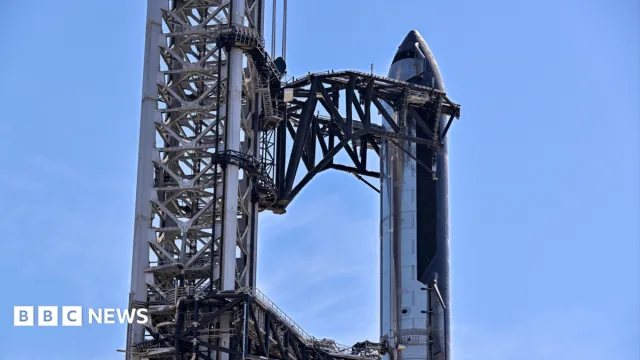
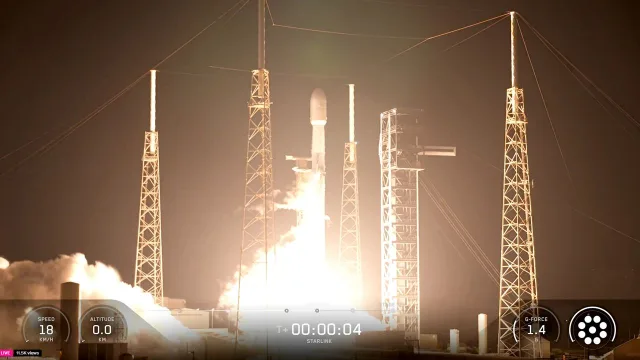
SpaceX conducted its 14th test flight of the Starship rocket on September 28, 2026, aiming to achieve its first orbital insertion after multiple suborbital attempts. The 171-foot-tall Starship, launched from Starbase in Boca Chica, Texas, faced technical challenges, including an engine failure during ascent, though no official confirmation of orbital success was provided. The mission’s primary objective was to demonstrate the vehicle’s ability to transition from a suborbital trajectory to a stable orbit, a critical step for SpaceX’s broader ambitions. According to reports, Starship separated from its Super Heavy booster approximately 2.5 minutes after liftoff and continued into space. However, one of the six Raptor engines on the upper stage failed during ascent, prompting SpaceX to temporarily abort the orbital insertion before resuming the attempt. The flight’s outcome remains unverified, with no official statement from SpaceX confirming whether Starship achieved a stable orbit or completed its planned six orbits.| Detail | Information |
|---|---|
| Launch Time | 7:48 a.m. CT (8:48 a.m. EST) according to wgcu.org; conflicting reports cited 8:30 a.m. EDT in finance.yahoo.com |
| Orbital Altitude | Approximately 170 miles (275 km) as reported by scientificamerican.com |
| Flight Duration | ~10 hours, with six planned orbits around Earth |
| Payload | 26 Starlink V3 satellites, the first operational payload for Starship |
| Engine Failure | One of six Raptor engines on Starship failed during ascent |
| Booster Landing | Super Heavy booster performed a simulated offshore landing in the Gulf of Mexico |
Technical Challenges and Unverified Outcomes
The Super Heavy booster, designed to return to the launch site for a tower catch, instead executed a simulated landing in the Gulf of Mexico. This marked a departure from previous test flights, where the booster had either been lost at sea or recovered in a different configuration. SpaceX emphasized that the test focused on upgrades to the booster’s software and hardware, rather than a full recovery. The flight’s success, if confirmed, would represent a significant step for SpaceX’s Starship program, which is intended to replace the Falcon 9 rocket as the company’s primary launch system. However, the mission’s unverified outcomes, including satellite deployment and reusability, mean the full success of the flight remains uncertain. The company’s broader goals, including lunar missions for NASA’s Artemis program, depend on further tests to validate Starship’s reliability and capabilities.Implications for SpaceX and NASA
The flight’s significance for NASA’s Artemis program remains unproven, as the agency’s inspector general has warned that Starship’s development is behind schedule. While SpaceX aims to use Starship as a Human Landing System (HLS) for Artemis III and IV, further tests are needed to confirm its readiness for crewed lunar missions. The mission also highlighted the risks of SpaceX’s “test to failure” approach, which involves pushing systems to their limits to identify and resolve issues.Frequently Asked Questions
Frequently Asked Questions
Did Starship successfully reach orbit?
Reports indicate Starship attempted to reach orbit during Flight 14, but no official confirmation of success was provided. The extent of its orbital maneuvers and the status of its payload remain unverified.
What happened to the Super Heavy booster?
The Super Heavy booster performed a simulated landing in the Gulf of Mexico rather than attempting a tower catch at the launch site. SpaceX did not confirm whether the booster was recovered or lost.
How does this flight impact NASA’s Artemis program?
This flight is a critical step for NASA’s reliance on Starship as a Human Landing System for Artemis III and IV. However, further tests are needed to validate the vehicle’s reliability and capabilities for crewed lunar missions.
Next Steps and Unanswered Questions
The results of Flight 14 will influence SpaceX’s future plans, including the development of a fully reusable Starship system and the integration of orbital refueling capabilities. Unanswered questions include whether Starship’s heat shield survived reentry, whether the 26 Starlink satellites were successfully deployed, and how the engine failure affected the mission’s overall objectives. As SpaceX continues to refine its technology, the next test flight will be critical in determining the trajectory of its ambitious space exploration goals.How significant is this wire dispatch?
Cast your anonymous vote to register reader consensus across journalism and intelligence sectors.
Dateline Wire is dedicated to independent, evidence-backed reporting. This briefing was synthesized from primary source reporting, corroborated across independent newsrooms, and verified against our Editorial Standards.