US death row inmate survives execution attempt after two lethal injections
Tennessee death row inmate Christa Pike survived two lethal injection doses on September 30, 2026, prompting Governor Bill Lee to suspend remaining 2026 executions.
- Headline: US death row inmate survives execution attempt after two lethal injections
- Dispatch Summary: Tennessee death row inmate Christa Pike survived two lethal injection doses on September 30, 2026, prompting Governor Bill Lee to suspend remaining 2026 executions.
- Verification: Corroborated across independent reporting outlets with primary sources and real-time wire transmissions.

Tennessee’s Execution Protocol Crumbles as Death Row Inmate Survives Lethal Injection
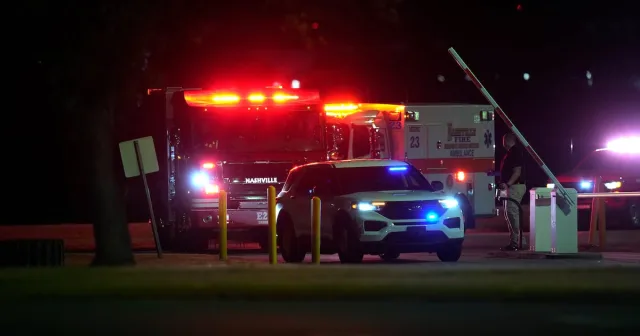
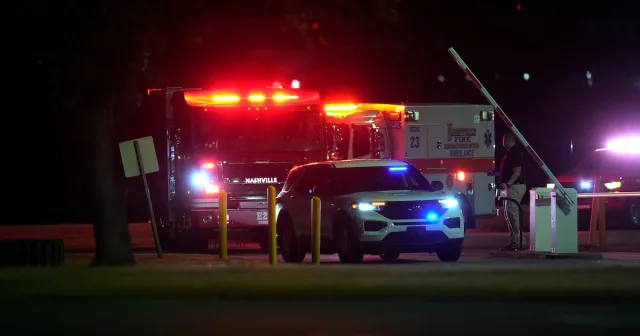
Tennessee’s death penalty system faced its most significant crisis in years on September 30, 2026, when Christa Pike, a 50-year-old inmate convicted of murder, survived two lethal injections at Riverbend Maximum Security Institution in Nashville. The failed execution, the second in the state this year, forced Governor Bill Lee to halt all remaining 2026 executions and launch a third-party review of the process. Pike, the only woman on Tennessee’s death row, was scheduled to be executed for the 1995 murder of 19-year-old Colleen Slemmer. According to the Tennessee Department of Correction (TDOC), she received two doses of pentobarbital, a sedative used in lethal injections, but remained conscious and was later transported to a hospital. Witnesses reported hearing Pike snoring and complaining of arm pain during the procedure, while journalists described the execution chamber as chaotic, with clergy called twice and an ambulance arriving.| Detail | Information |
|---|---|
| Date of execution attempt | September 30, 2026 |
| Drugs administered | Two doses of pentobarbital |
| Outcome | Pike survived; transported to hospital |
| State response | Gov. Bill Lee halted 2026 executions; ordered third-party review |
| Legal challenges | Pike’s lawyers cited vein access issues, degraded drugs, and lack of emergency care |
Historical and Legal Context of a Botched Execution
Pike’s case is deeply entangled with the broader debate over the death penalty’s application in the U.S. She was 18 when she and her boyfriend, Tadaryl Shipp, tortured and killed Slemmer, a classmate at a vocational training center. The crime, which involved carving a pentagram into Slemmer’s chest and taking a skull fragment as a “souvenir,” drew national media attention. Pike and Shipp confessed, and both were convicted of first-degree murder. Her legal team has long argued that her mental health and traumatic upbringing—including childhood sexual abuse and a history of untreated bipolar disorder—should have mitigated her sentence. In a clemency petition, Pike admitted she “intended to beat” Slemmer but not kill her, stating, “It took me numerous years to even realize the gravity of what I’d done.” Despite these claims, Governor Lee denied her clemency petition just days before the execution. The U.S. Supreme Court’s decision to lift a lower-court stay of the execution hours before the procedure began underscored the legal battles surrounding Pike’s case. Her attorneys accused the state of using a “veiled” protocol that lacked clear guidelines for handling failures after the second drug dose. A medical expert retained by Pike’s team, Dr. Joel Zivot, suggested she may have suffered brain damage due to delayed resuscitation.Impact on Other Death Row Inmates and State Policy
The failed execution has immediate consequences for other inmates on Tennessee’s death row. Gary Wayne Sutton, scheduled to be executed on December 3, 2026, had his date delayed indefinitely after Pike’s survival. Sutton, who has been on death row since 1996 for the 1992 murder of Tommy Griffin, was set to be the first of two scheduled executions in 2026. His legal team has previously challenged evidence related to the case, including the credibility of a former medical examiner. The incident has also intensified scrutiny of Tennessee’s lethal injection protocol. The state’s TDOC defended its actions, stating it followed “lawful, established execution protocol approved by the Attorney General’s Office.” However, Pike’s lawyers argued the process was flawed, citing “difficult vein access, blown veins, degraded pentobarbital, and no emergency medical care.” The governor’s third-party review will likely examine these claims, though its scope and timeline remain unclear.Frequently Asked Questions
What happened during Christa Pike’s execution attempt?
Pike survived two lethal injections of pentobarbital on September 30, 2026, after witnesses reported hearing her snore and complain of discomfort. She was transported to a hospital, and the Tennessee Department of Correction stated it followed its protocol. Her legal team alleged procedural failures, including degraded drugs and lack of emergency care.
How will this affect other death row inmates in Tennessee?
The state suspended all 2026 executions, delaying Gary Wayne Sutton’s scheduled December 3, 2026, execution. The third-party review of Pike’s case may lead to changes in execution protocols, potentially impacting future death penalty cases in the state.
What is the historical significance of Pike’s survival?
Pike’s survival marks the second failed execution in Tennessee in 2026 and the first time a woman was scheduled to be executed in the state in over 200 years. She was also the only person in the modern era of U.S. capital punishment to be executed in Tennessee for a crime committed as a teenager.
How significant is this wire dispatch?
Cast your anonymous vote to register reader consensus across journalism and intelligence sectors.
Dateline Wire is dedicated to independent, evidence-backed reporting. This briefing was synthesized from primary source reporting, corroborated across independent newsrooms, and verified against our Editorial Standards.