Saudi Airport Attack by Houthi Rebels Leaves 12 Dead and 300 Wounded
Houthi rebel attacks on Riyadh's King Khalid International Airport have left 12 people dead and 309 wounded, marking a major escalation following the breakdown of the 2022 ceasefire.
- Headline: Saudi Airport Attack by Houthi Rebels Leaves 12 Dead and 300 Wounded
- Dispatch Summary: Houthi rebel attacks on Riyadh's King Khalid International Airport have left 12 people dead and 309 wounded, marking a major escalation following the breakdown of the 2022 ceasefire.
- Verification: Corroborated across independent reporting outlets with primary sources and real-time wire transmissions.
Why King Khalid International Airport Was Targeted
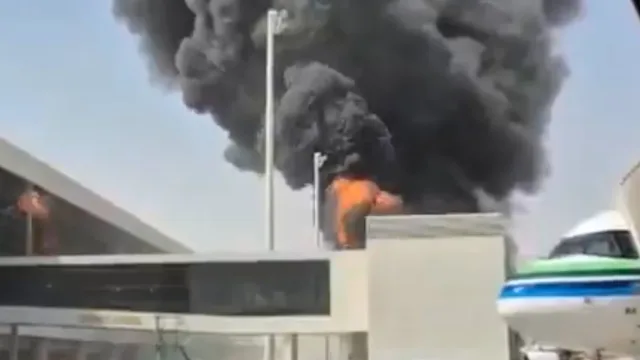
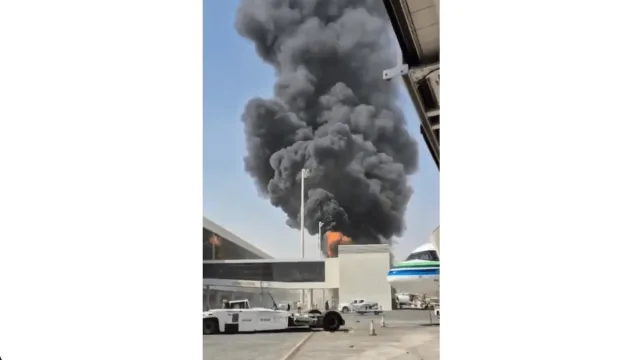
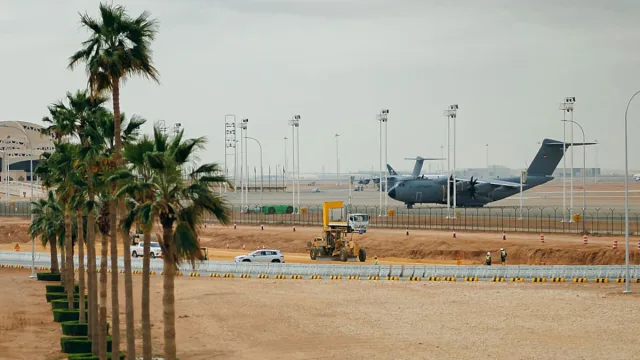
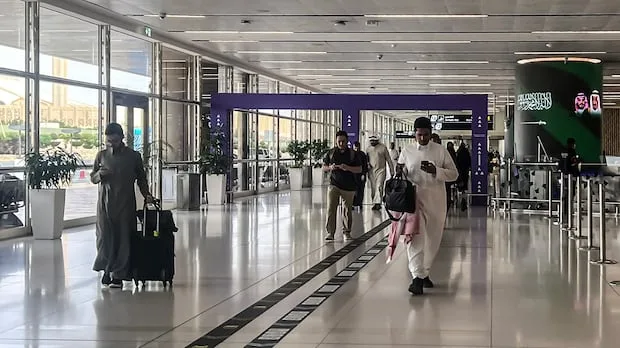
A third strike in a single week hit Riyadh’s international airport on Saturday, killing 12 people and wounding 309 more in the deadliest attack on a Gulf Arab country since the start of the Iran war in February. The Iran-backed Houthi rebel group claimed responsibility for the assault, which struck a passenger terminal at King Khalid International Airport without warning and left blood stains covering the floor. The Saudi General Authority of Civil Aviation reported that the dead included four Saudi citizens, two people from Bangladesh, and one person each from the United States, Jordan, Palestine, Syria, Sudan, and Egypt. Secretary of State Marco Rubio condemned the attack in a statement on X, writing, These reprehensible attacks demonstrate a blatant disregard for innocent civilian life. They must stop now,
according to the New York Post.
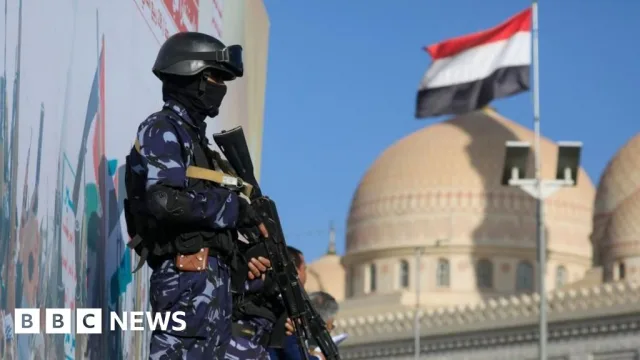
The escalation follows a breakdown of the 2022 ceasefire that had frozen the conflict between Saudi Arabia and the Houthis. Over the summer, a rapid Houthi advance wrested control of the Red Sea chokepoint of Bab el-Mandeb from Saudi-backed government forces. In response, a Saudi-led coalition launched a major military offensive and renewed bombing campaigns against the rebel group across the border in Yemen. The Houthis stated that Saturday's airport strike was retaliation for these border raids. The head of the Houthi media office declared on X that the group had shut down the airport and urged airlines to avoid Saudi airspace, calling it a zone of military operations.
How the Escalation Unfolded Across the Region
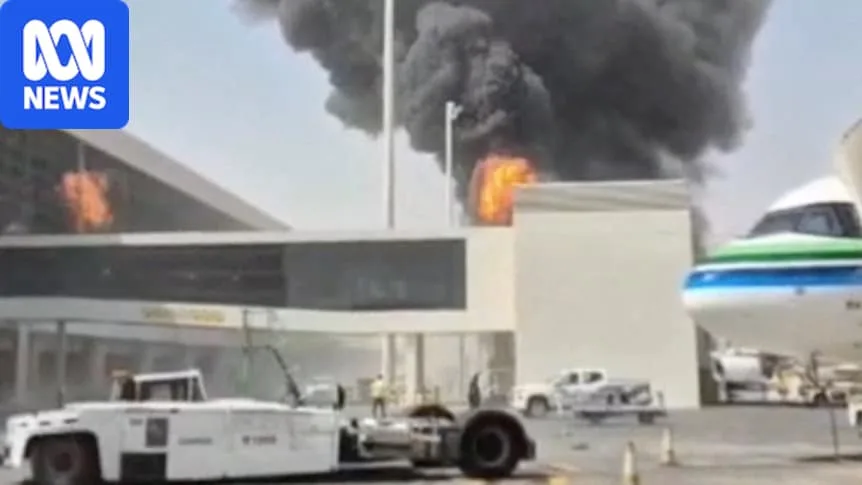
The violence began early on Wednesday, local time, when the Houthis attacked Aden International Airport in Yemen with ballistic missiles and explosive-laden drones. Later that day and into Thursday, King Khalid International Airport in Riyadh faced the first two of three successive strikes. Those earlier attacks killed four people, including three Saudi citizens and a Sudanese national, and caused extensive damage to a Saudi commercial plane parked on the tarmac. Saturday's strike proved far more destructive, occurring without any alert issued by the country's threat warning system and sending a shockwave through a city of roughly 8 million people.
Witnesses reported hearing at least two loud blasts that shook the capital as plumes of black smoke rose from the terminal. One traveler told Reuters they saw an object moving across the sky before part of the ceiling near a departure gate collapsed. More than a dozen ambulances raced to the scene, and hospitals were overwhelmed with casualties brought in by ambulance and helicopter, with some patients in critical condition. Flight-tracking sites FlightAware and Flightradar24 recorded that nearly 300 flights were cancelled over a 24-hour period, with all inbound services to Riyadh diverted or cancelled as operations were temporarily suspended.
| Incident Date | Location | Casualties Reported | Operational Impact |
|---|---|---|---|
| Wednesday | Aden International Airport | Not specified by ministry | Ballistic missile and drone strikes |
| Thursday | King Khalid International Airport | 4 dead (including 3 Saudis and 1 Sudanese) | Commercial aircraft damaged |
| Saturday | King Khalid International Airport | 12 dead, 309 wounded | Suspension of flights, hundreds cancelled |
What Remains Unknown About US and Regional Responses
The barrage has exposed vulnerabilities in the kingdom's self-defence capabilities, raising difficult questions for military planners in Riyadh. Saudi authorities warned the public that filming, publishing or sharing information related to countering missiles and drones and their impact sites exposes you to legal liability,
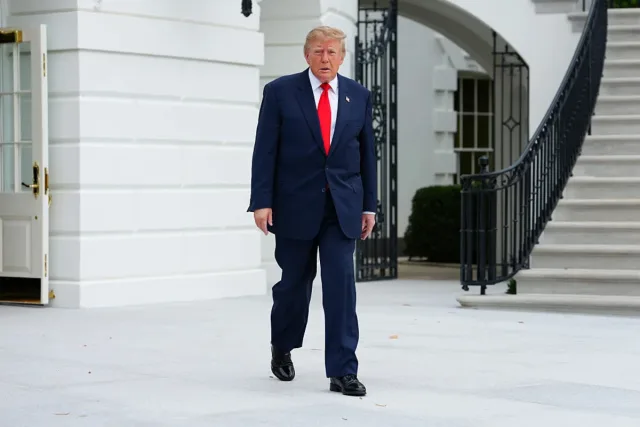
reflecting extreme sensitivity around the security breaches. Meanwhile, US President Donald Trump was asked outside the White House whether Washington planned to join Saudi strikes on the Houthis. Trump told reporters, It's not good
and I'm not happy,
adding regarding military support, We may. We're going to look at it. We just found out about the recent attack, so we'll make a decision. We move very quickly.
The US embassy in Riyadh issued an advisory urging American citizens to avoid the airport and surrounding areas.
Commercial fallout has spread swiftly across regional carriers. Airlines including Kuwait Airways, Etihad Airways, and Qatar Airways shuttered travel between their respective hubs and the Saudi capital into Monday. Organisers of upcoming energy and investment conferences in Riyadh stated before Saturday's attack that their events would proceed as planned, attempting to reassure attendees about security even as the capital remains under operational strain. On the ground in Yemen, fighting persists as Yemeni government forces claim to have driven rebels from the Bab al-Mandeb Strait, a claim denied by Houthi forces while they simultaneously place the city of Taiz under siege.
The collapse of the 2022 truce has transformed a dormant border stalemate into an active multi-front war that now reaches deep into civilian infrastructure in Riyadh. That leaves Washington with an immediate choice over whether to intervene militarily alongside a strained Saudi coalition, while international carriers and conference organizers assess whether the capital's skies can be secured before economic fallout widens.