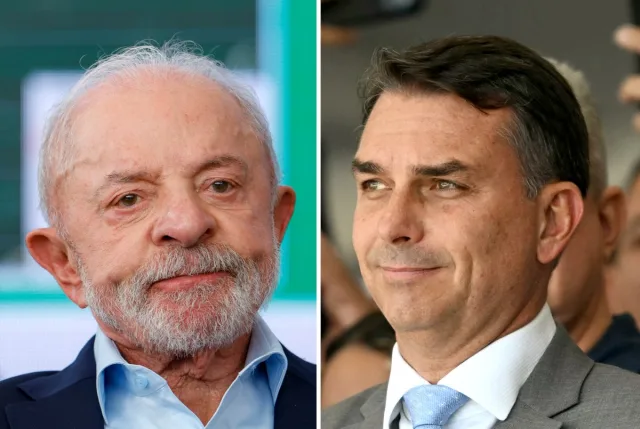
Lula wins fourth term as Brazil president, defeating Flávio Bolsonaro
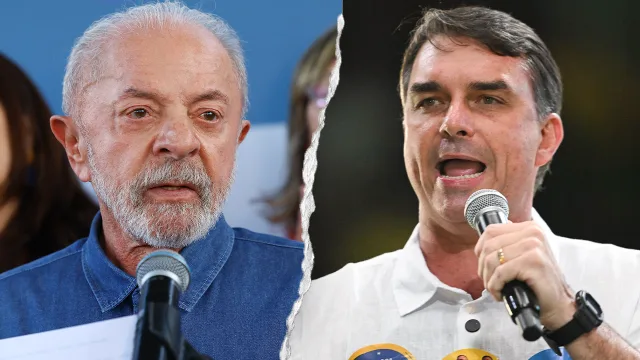
Luiz Inácio Lula da Silva won an unprecedented fourth term as Brazil's president, defeating conservative challenger Flávio Bolsonaro in a historic runoff.
- Headline: Lula wins fourth term as Brazil president, defeating Flávio Bolsonaro
- Dispatch Summary: Luiz Inácio Lula da Silva won an unprecedented fourth term as Brazil's president, defeating conservative challenger Flávio Bolsonaro in a historic runoff.
- Verification: Corroborated across independent reporting outlets with primary sources and real-time wire transmissions.
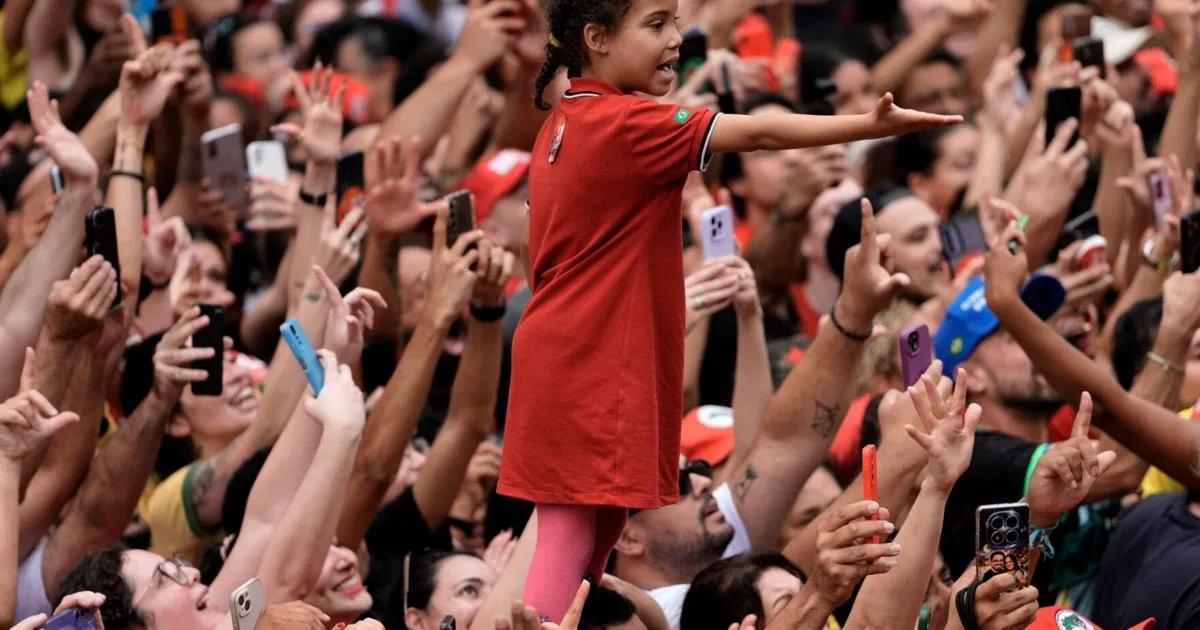
Lula wins fourth term as Brazil president, defeating Flávio Bolsonaro
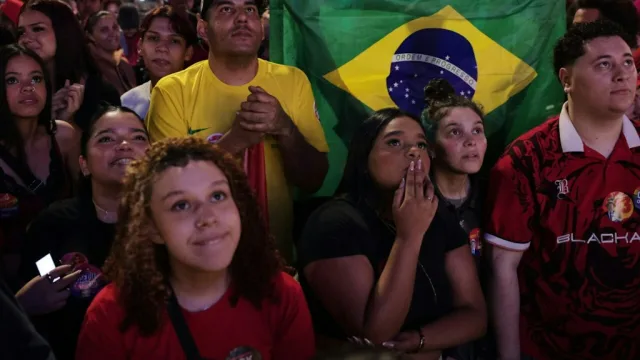
Supporters of President Luiz Inacio Lula da Silva celebrated presidential runoff results in Rio de Janeiro, Brazil, on October 25, 2026, after left-wing President Luiz Inacio Lula da Silva won Brazil's presidential election to secure an unprecedented, non-consecutive fourth term.
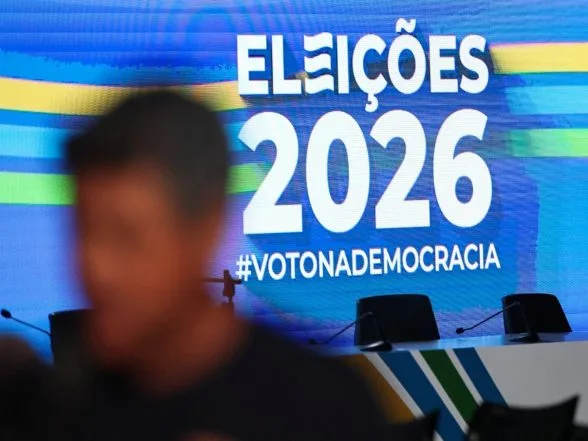
With 100% of the vote counted, Brazil's electoral court announced that Luiz Inácio Lula da Silva secured an unassailable lead to defeat his conservative challenger Flávio Bolsonaro. That result gives Lula an unprecedented, non-consecutive fourth term as president of Latin America's largest economy, with a GDP of $2.6 trillion per year. Bolsonaro had 47% of the vote in the first round to Lula’s 45%, a difference of 2.2 million votes.
The runoff pitted leftist Lula da Silva against right-wing, pro-Israel Senator Flávio Bolsonaro, the son of convicted former president Jair Bolsonaro. Flávio had scored a at the start of the month by defying pollsters to lead the voting in the first round. The election bucks a rightward shift in Latin America backed by U.S. President Donald Trump.
The result makes Lula the first candidate since Brazil's return to democracy in the 1980s to be elected after finishing second in the first round. It also makes him, at age 80, the oldest president in the Americas alongside U.S. President Donald Trump and Nicaragua's President Daniel Ortega. Lula's next term will officially begin on January 5, 2027, marking what is widely expected to be the final chapter of a political career that began in the 1970s as a union leader.
Immediate Domestic and Regional Fallout
Lula's victory keeps Brazil's economy aligned with a left-of-center leadership model alongside Mexico. U.S. President Donald Trump had watched the race closely, and Lula's victory deprives Trump of a major addition to what has been a growing bloc of friendly right-wing Latin American governments that have embraced Washington's agenda on security and migration. During the campaign, Lula openly criticized U.S. policies toward Brazil, including tariffs on Brazilian exports and the designation of drug trafficking groups as foreign terrorist organizations.
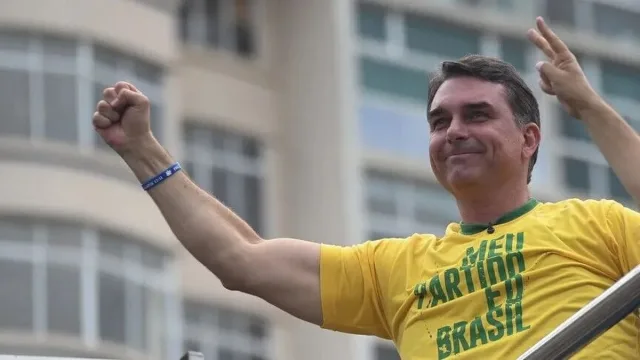
For Flávio Bolsonaro — a senator and the eldest son of imprisoned former president Jair Bolsonaro — the defeat halts an attempt to revive his father's far-right political movement. The senator had finished first in the election's first round and hoped to revive his father's far-right movement by campaigning on closer ties with Washington and promising to secure better deals with the Trump administration.
It is the first time since Brazil’s military dictatorship ended in 1985 that the second-highest vote getter in the first-round elections won the presidency.
How the Comeback Materialized
Since he lost the first round, Lula reorganized his campaign, appealed to young voters, put millions of Brazilians on the streets to defend democratic values and his legacy, raised fears of another Bolsonaro administration and boosted several government initiatives. Pollsters said better-than-expected turnout had powered Lula to victory, with voters choosing a known path over an uncertain alternative.
During the campaign, Lula pointed to a track record of falling poverty and inequality, while unemployment, illiteracy and deforestation hit record lows during his third term. His campaign pledges ranged from free nationwide weekend public transport, which has to be formally submitted to Congress, to a 15% increase in his trademark welfare program that is already being implemented. Lula also championed a constitutional amendment that became Brazil's biggest labor reform in decades, which passed with wide support in Congress.
The final day of voting was marked by logistical challenges, following a last-minute decision to extend voting by two hours. That decision by a Supreme Court justice, specifically Justice Cristiano Zanin, may trigger legal action by opponent Flávio Bolsonaro. Both candidates had sought extensions in some areas, but for different reasons: Lula cited problems with buses transporting voters in nine states, while Bolsonaro pointed to heavy rain in the south. The order raised logistical concerns because some polling stations had already closed. In Brasilia, volunteers overseeing the count debated whether they needed to remain after the announcement. At a polling station in Rio de Janeiro, voting machines had been switched off and could not be restarted, according to the Associated Press.
Legislative Obstacles and Economic Pressures
Despite his victory, Lula faces a difficult legislative landscape, with Brazil electing its most conservative Congress since the country's return to democracy. Combined, Bolsonaro's Liberal Party (PL) and allied parties could control over 280 seats in the lower house and up to 50 seats in the Senate, enough for comfortable majorities in both chambers. International relations professor Oliver Stuenkel of the Getulio Vargas Foundation in São Paulo warned that Lula is likely to be a lame duck from the start, facing weakened influence over Supreme Court nominations, unwieldy party coalitions, and even the threat of impeachment.
Economic headwinds will compound those political difficulties as public debt has risen past 82% of GDP, the highest since the pandemic, driven largely by high interest costs. Goldman Sachs said it expects Lula to make modest progress at most to contain spending in a fourth term, as he stays committed to a state-led growth model. Meanwhile, surging household debt also concerns economists, prompting Lula to roll out a provisional ban on online betting and unveil a new debt relief program during the campaign.
As the political dust settles, attention turns to how Lula will manage a conservative Congress and whether his administration can deliver on promises before his next term begins on Jan. 5, 2027.
Updated 1 time since publication; last update 26 October 2026, 02:42.