Delhi High Court Rejects Bail Pleas Of Umar Khalid, Sharjeel Imam In 202…
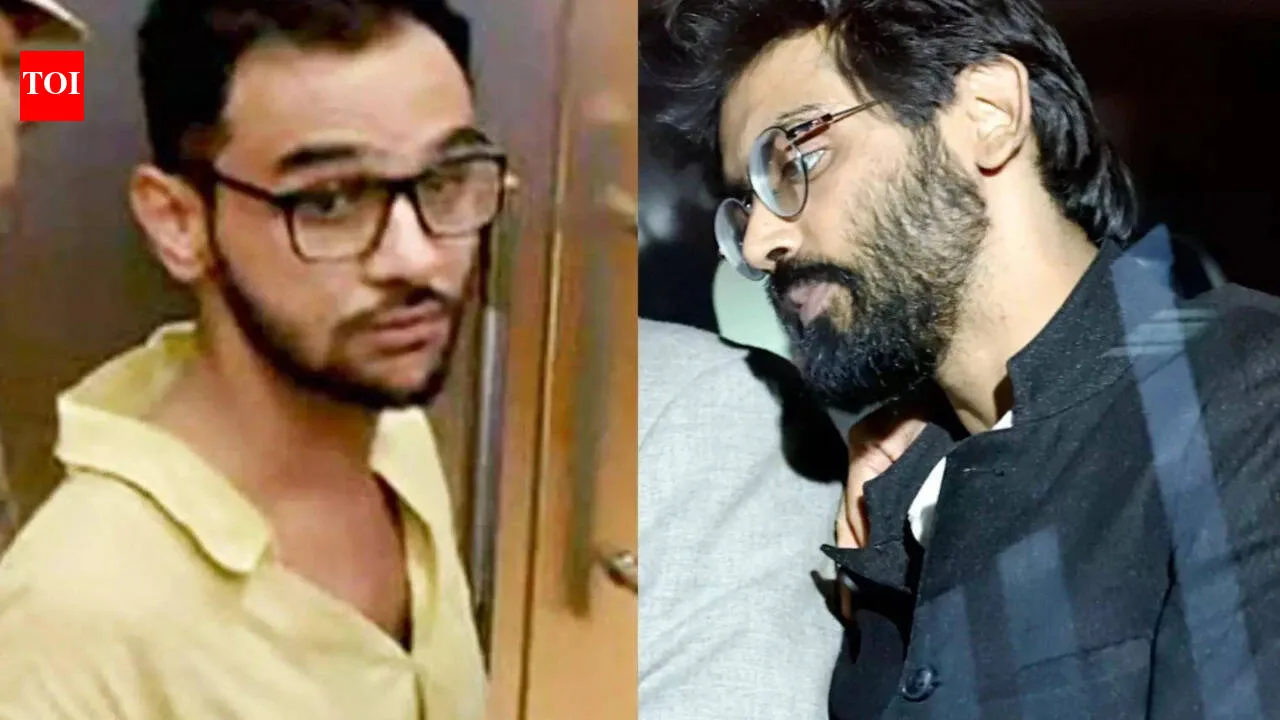
The Delhi High Court denied the third bail application of Umar Khalid and Sharjeel Imam in the 2020 Delhi riots case, citing a Supreme Court directive.
- Headline: Delhi High Court Rejects Bail Pleas Of Umar Khalid, Sharjeel Imam In 202…
- Dispatch Summary: The Delhi High Court denied the third bail application of Umar Khalid and Sharjeel Imam in the 2020 Delhi riots case, citing a Supreme Court directive.
- Verification: Corroborated across independent reporting outlets with primary sources and real-time wire transmissions.
Delhi High Court Upholds Bail Denial For Khalid And Imam Amid 2020 Riots Case
The Delhi High Court on Wednesday denied the third bail application of Umar Khalid and Sharjeel Imam in the 2020 Delhi riots case, reinforcing its adherence to a Supreme Court directive that barred their release until specific conditions were met. The ruling, delivered by a bench of Justices Prathiba M. Singh and Dinesh Bhatt, underscores the judiciary’s reluctance to deviate from higher court orders, even as legal arguments centered on prolonged detention and procedural delays.
Khalid and Imam, both accused under the Unlawful Activities (Prevention) Act (UAPA), were arrested in August and September 2020, respectively, in connection with the February 2020 North East Delhi riots. The violence, which left 53 people dead and hundreds injured, was linked to protests against the Citizenship (Amendment) Act (CAA) and the proposed National Register of Citizens (NRC). The Delhi Police has consistently alleged their roles as “masterminds” of the conspiracy, a claim reiterated during the latest hearings.
Supreme Court’s January 2026 Order Shapes Current Ruling
The High Court’s decision hinged on the Supreme Court’s January 5, 2026 order in the Gulfisha Fatima case, which set strict parameters for bail eligibility. The apex court had permitted Khalid and Imam to seek bail only after the examination of protected witnesses or after one year from the order’s date, whichever came first. The Delhi High Court emphasized that it could not “alter” these conditions, citing judicial discipline.
The defense, led by senior advocate Trideep Pais, argued that three “small changes in circumstances” warranted reconsideration. These included the prolonged incarceration of the accused, delays in trial proceedings, and a Supreme Court judgment on bail under the UAPA. Pais also referenced a pending Special Leave Petition (SLP) and the trial court’s instruction to await the apex court’s guidance. However, the High Court rejected these claims, stating that the circumstances did not justify reopening the bail issue.
| Detail | Information |
|---|---|
| Case Name | 2020 Delhi riots conspiracy case under UAPA |
| Accused | Umar Khalid, Sharjeel Imam, Khalid Saifi, Tahir Hussain, Gulfisha Fatima, Meeran Haider, Shifa Ur Rehman, Mohammad Saleem Khan, Shadab Ahmad, Tasleem Ahmad |
| Key Court Order | Supreme Court’s January 5, 2026 directive: Bail allowed after protected witness examination or one year from order |
| Arrest Dates | Khalid: September 13, 2020; Imam: August 25, 2020 |
| Previous Bail Rejections | July 4, 2026 (trial court); September 2, 2025 (High Court) |
Police Assert Roles As ‘Command Authority’
The Delhi Police opposed the bail pleas, maintaining that Khalid and Imam occupied a distinct “risk profile” as part of the “command authority” in the alleged conspiracy. Additional Solicitor General SV Raju argued that their roles were not peripheral, unlike those of co-accused granted bail, such as Gulfisha Fatima and Tasleem Ahmad. The prosecution cited the Supreme Court’s distinction between the accused, emphasizing that Khalid and Imam’s alleged involvement warranted continued detention.
The defense countered by highlighting the Supreme Court’s evolving interpretations of UAPA bail provisions. Pais referenced a May 2026 development where a larger bench considered whether prolonged trial delays could justify bail despite the UAPA’s strict thresholds. However, the High Court reiterated that it could not “modify or go beyond” the Supreme Court’s directions in this matter.
Context Of Prolonged Incarceration
Khalid and Imam have remained in custody for over six years, with their case marked by procedural complexities. The trial court’s July 4, 2026 order, which the High Court upheld, cited the Supreme Court’s January 2026 directive as binding. The defense argued that the trial had not progressed substantially, with charges yet to be framed and prosecution witnesses unexamined. However, the prosecution disputed this, asserting that delays were not attributable to the investigating agency.
The High Court also addressed the defense’s claim of a “prima facie case” against the accused, noting that the Supreme Court had previously acknowledged the gravity of the allegations. Yet, the court stressed that the final determination of guilt would depend on the trial process, which remains ongoing.
Frequently Asked Questions
Why were Umar Khalid and Sharjeel Imam denied bail again?
The Delhi High Court cited the Supreme Court’s January 2026 order, which barred their bail until protected witnesses were examined or one year from the order’s date. The court emphasized judicial discipline, stating it could not override this directive despite arguments about prolonged incarceration and procedural delays.
What role did the Supreme Court play in this case?
The Supreme Court’s January 5, 2026 ruling in the Gulfisha Fatima case established strict conditions for bail in this case. It granted bail to several co-accused but denied it to Khalid and Imam, citing their alleged roles as “masterminds” of the conspiracy. The High Court’s latest decision aligns with this order.
How long have Khalid and Imam been in custody?
Khalid was arrested on September 13, 2020, and Imam on August 25, 2020. They have remained in custody for over six years, with their case marked by repeated bail rejections and procedural delays.
The Delhi High Court’s ruling leaves the fate of Khalid and Imam’s bail plea pending until the conditions set by the Supreme Court are met. As the trial continues, the case remains a focal point of legal and political discourse, with implications for the interpretation of UAPA provisions and the rights of undertrials in high-profile cases.
How significant is this wire dispatch?
Cast your anonymous vote to register reader consensus across journalism and intelligence sectors.
Dateline Wire is dedicated to independent, evidence-backed reporting. This briefing was synthesized from primary source reporting, corroborated across independent newsrooms, and verified against our Editorial Standards.