Brazil presidential race heads to Oct 25 runoff with Bolsonaro leading Lula
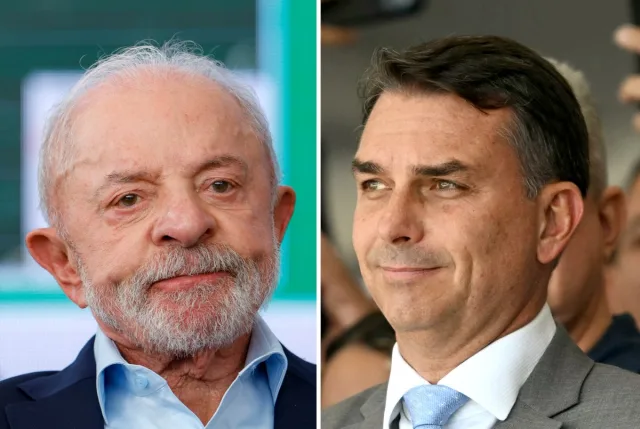
Flávio Bolsonaro and Luiz Inácio Lula da Silva are heading to an October 25 runoff after neither candidate secured a majority in the first round.
- Headline: Brazil presidential race heads to Oct 25 runoff with Bolsonaro leading Lula
- Dispatch Summary: Flávio Bolsonaro and Luiz Inácio Lula da Silva are heading to an October 25 runoff after neither candidate secured a majority in the first round.
- Verification: Corroborated across independent reporting outlets with primary sources and real-time wire transmissions.
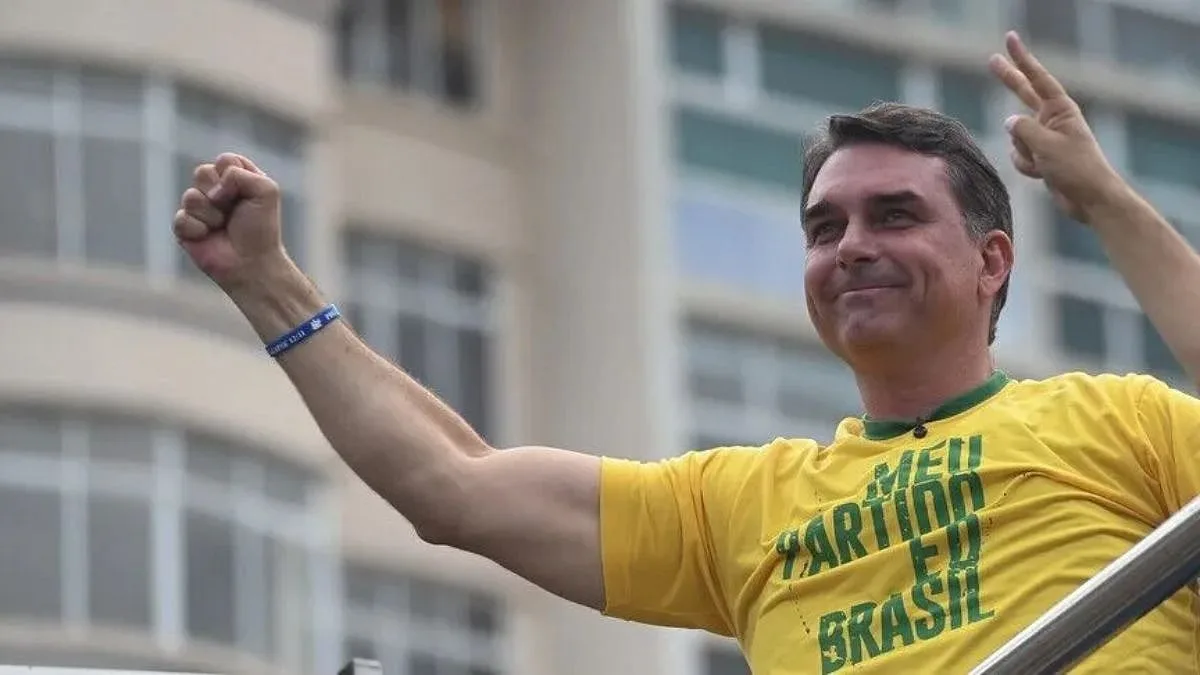
Brazil’s presidential race has been thrust into a second-round showdown between incumbent Luiz Inácio Lula da Silva and far-right challenger Flávio Bolsonaro, son of former president Jair Bolsonaro, after neither candidate secured the 50% threshold required for an outright victory in the first round. With over 99% of votes counted, Flávio Bolsonaro emerged with 47.45% of valid votes, while Lula secured 44.66%, according to Al Jazeera reports cited in the freepressjournal.in source. The runoff, scheduled for October 25, will determine the next leader of Latin America’s largest economy and most populous nation.
Bolsonaro’s Rightward Surge and Lula’s Struggle
The first-round results underscore a pronounced rightward shift in Brazilian politics, with Bolsonaro’s Liberal Party securing key legislative and gubernatorial wins. Of the 54 newly elected senators, 34 were from the right or far-right, including members of Bolsonaro’s family. Flávio Bolsonaro, 45, capitalized on voter frustrations over crime, economic instability, and perceived foreign interference, positioning himself as a challenger to Lula’s long-standing dominance. His campaign emphasized a tough stance on insecurity and closer ties with U.S. President Donald Trump, while Lula, 80, sought to defend his record on social welfare and national sovereignty.
Lula’s campaign faced challenges in mobilizing younger voters and addressing concerns over Brazil’s fiscal health, including public debt exceeding 82% of GDP. Despite his efforts to expand welfare programs and propose debt relief, polls suggested a narrowing gap between the two candidates. Flávio Bolsonaro, meanwhile, drew support from voters disillusioned with Lula’s policies, with some casting ballots to “get Lula out” rather than endorse his platform.
| Candidate | Vote Percentage (99% counted) | Votes (in millions) |
|---|---|---|
| Flávio Bolsonaro | 47.45% | 56.1 |
| Lula | 44.66% | 53.8 |
Legacy of Jair Bolsonaro and the Shadow of the Past
Flávio Bolsonaro’s campaign has been inextricably tied to his father’s political legacy. Jair Bolsonaro, currently serving a 27-year prison sentence for orchestrating a failed coup after losing the 2022 election, remains a polarizing figure. Flávio has pledged to continue his father’s agenda, including efforts to free him and reorient Brazil’s foreign policy toward the U.S. Lula has criticized the Trump administration for alleged interference in the election, accusing it of seeking to “colonize” Brazil’s resources. The U.S. State Department has denied these claims.
The runoff also highlights tensions over Brazil’s relationship with Washington. Lula has positioned himself as a defender of Brazilian sovereignty, while Flávio Bolsonaro has promised to strengthen ties with Trump, including in areas like rare minerals and security cooperation. This dynamic has intensified scrutiny of the election, with both candidates leveraging anti-interventionist rhetoric to appeal to voters.
Questions of Democracy and Electoral Integrity
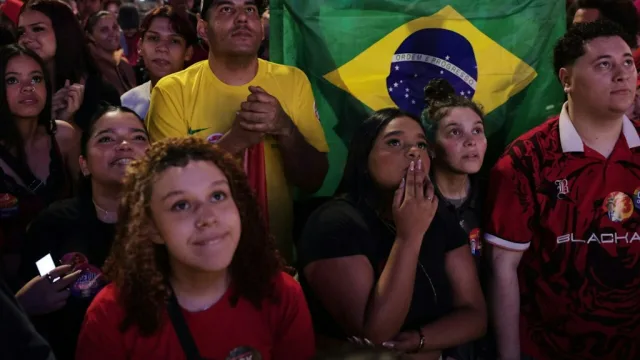
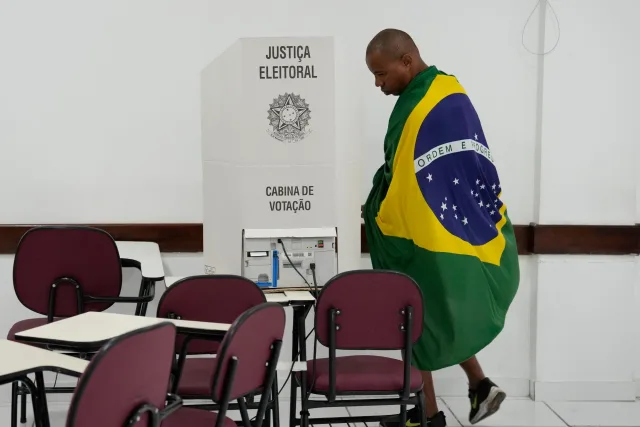
Despite concerns about the influence of foreign powers and the potential for political polarization, Brazil’s electronic voting system has been widely credited with ensuring a transparent and efficient count. Electoral authorities reported no evidence of fraud, and the Organization of American States’ observation mission described the process as “smooth and under adequate safety conditions.” However, some voters expressed unease about the role of external actors, with one Brasilia resident stating, “I’m a little worried about everything that’s been happening recently, including internationally.”
The runoff will also test the resilience of Brazil’s democratic institutions. Four years ago, Jair Bolsonaro’s supporters stormed the capital in an attempt to overturn his defeat, a crisis that left lasting scars on the nation’s political landscape. Lula’s campaign has warned that a Bolsonaro victory could signal a return to the “retrogression” of that era, while Flávio Bolsonaro has framed his campaign as a rejection of what he calls the “dark past” of Lula’s Workers’ Party.
Frequently Asked Questions
When is the runoff, and what happens next?
The runoff is scheduled for October 25. Both candidates will now focus on securing support from voters who backed third-party candidates in the first round, including right-wing figures like Ronaldo Caiado and Renan Santos, who have pledged not to endorse either finalist.
What are the key issues in the runoff?
The campaign will center on crime, economic policy, and Brazil’s relationship with the U.S. Lula is expected to emphasize his social programs and resistance to foreign influence, while Flávio Bolsonaro will likely highlight his pledge to address insecurity and realign Brazil’s foreign policy with Washington.
How secure is Brazil’s voting system?
Electoral authorities and international observers have confirmed that Brazil’s electronic voting system, adopted in the 1990s, remains secure and transparent. No evidence of fraud has been detected, and the Superior Electoral Court has dismissed claims of international interference.
The outcome of the October 25 runoff will shape Brazil’s trajectory for the next four years, with implications for its economy, democracy, and global alliances. As both candidates prepare for a final push, the nation watches closely, aware that the stakes extend far beyond the presidency.
How significant is this wire dispatch?
Cast your anonymous vote to register reader consensus across journalism and intelligence sectors.
Dateline Wire is dedicated to independent, evidence-backed reporting. This briefing was synthesized from primary source reporting, corroborated across independent newsrooms, and verified against our Editorial Standards.