Supreme Court allows Trump White House ballroom construction to continue
Chief Justice John Roberts issued an administrative stay allowing construction on the $400 million White House ballroom to proceed while legal battles continue.
- Headline: Supreme Court allows Trump White House ballroom construction to continue
- Dispatch Summary: Chief Justice John Roberts issued an administrative stay allowing construction on the $400 million White House ballroom to proceed while legal battles continue.
- Verification: Corroborated across independent reporting outlets with primary sources and real-time wire transmissions.
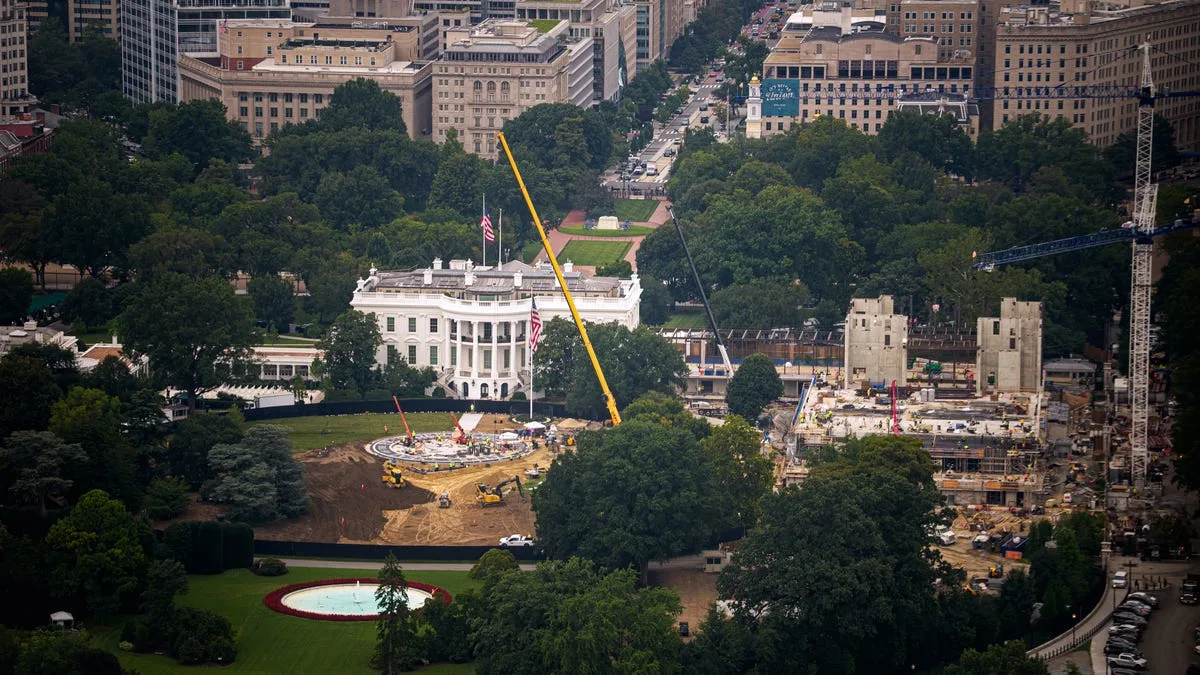
The U.S. Supreme Court on Friday temporarily allowed the Trump administration to continue construction of a $400 million White House ballroom, with new details emerging about the project’s escalating costs, legal arguments, and public opposition. The decision, issued as an administrative stay by Chief Justice John Roberts, pauses a lower court order halting above-ground work while the case is reviewed. The ruling comes amid conflicting estimates of the project’s total cost, with sources citing figures ranging from $300 million to $600 million, and renewed debates over the administration’s authority to proceed without congressional approval.
The ballroom, part of a broader effort to reconfigure the White House complex, has drawn intense scrutiny. The administration has framed the project as essential for national security, citing threats against the president and the need for fortified facilities. In court filings, Justice Department lawyers argued that the construction—described as an "integrated military complex"—includes bomb shelters, medical centers, and defenses against drones and missiles. They emphasized that the project, 65% complete, is "vitally required by national security," with 20-hour workdays accelerating its development. However, new reports suggest the project’s cost has ballooned beyond initial estimates, with at least $600 million now projected, according to The Washington Post. The White House had previously estimated the project at $200 million, later raising it to $400 million, but the Post found taxpayers will likely cover half the costs, contradicting claims of private funding.
The legal dispute began in March when U.S. District Judge Richard Leon, a George W. Bush appointee, ordered the administration to halt above-ground construction, citing a lack of congressional approval. A federal appeals court upheld the ruling in a 2-1 decision, allowing underground work to continue but blocking surface-level efforts. The Trump administration then sought intervention from the Supreme Court, arguing that judicial delays would compromise security. Roberts’ stay paused the lower court’s order, enabling the administration to proceed with above-ground work while the case is reviewed.
The National Trust for Historic Preservation, which sued to block the project, has consistently maintained that the Trump administration lacks authority to reshape federal property without congressional consent. In court documents, the group accused the White House of "outrunning the courts" by accelerating construction, noting that 250 workers have been laboring around the clock. The trust’s lawyers argued that every court to examine the matter has rejected the administration’s claims, stating that "no unilateral legal authority" exists to justify the project. New filings from the trust emphasize that allowing construction to continue risks making the project “irreversible,” with the group asserting that the administration’s “efforts to foil judicial review and arrogate Congress’s exclusive powers should not be rewarded.”
The dispute extends beyond the ballroom itself. The East Wing, demolished to make way for the new structure, housed the first lady’s offices and the White House movie theater. Its destruction, part of Trump’s broader vision to "reimagine" the capital, has drawn criticism from preservationists and the public. A April 2026 poll showed 56% of Americans disapproved of the decision to tear down the historic wing, with many viewing the project as an overreach of executive power. The Supreme Court’s order does not resolve the underlying legal questions. The administration’s emergency application to the high court argued that the project’s scale and security implications demand immediate action, while the National Trust insists that judicial review must not be circumvented. The case now remains in limbo, with no clear timeline for a final ruling. Meanwhile, construction continues, with the White House asserting that the ballroom will serve as a "fortress-like" hub for national security and diplomatic events.
The legal battle underscores tensions over presidential authority and the limits of executive power. Trump has repeatedly framed the project as a necessity, calling the D.C. Circuit’s decision "horrendous" and accusing judges of political bias. His administration has also highlighted the project’s cost, with the Justice Department citing $200 million in private donations, though critics note the federal government’s role in overseeing the work. The case remains a focal point in debates over how much leeway presidents should have in altering federal property and whether such decisions require legislative approval. New arguments from the administration include claims that halting construction now would risk the stability of the unfinished structure, with the White House asserting that abandoning the project would leave an "unstable, unfinished 70-foot-tall structure on White House grounds, putting the complex at risk and thwarting Secret Service protection."
How significant is this wire dispatch?
Cast your anonymous vote to register reader consensus across journalism and intelligence sectors.
Dateline Wire is dedicated to independent, evidence-backed reporting. This briefing was synthesized from primary source reporting, corroborated across independent newsrooms, and verified against our Editorial Standards.