Bilkis Bano Case: SC Grants Bail To Two Convicts After 17 Years
The Supreme Court has granted interim bail to two convicts in the 2002 Bilkis Bano gang-rape case after more than 17 years of incarceration.
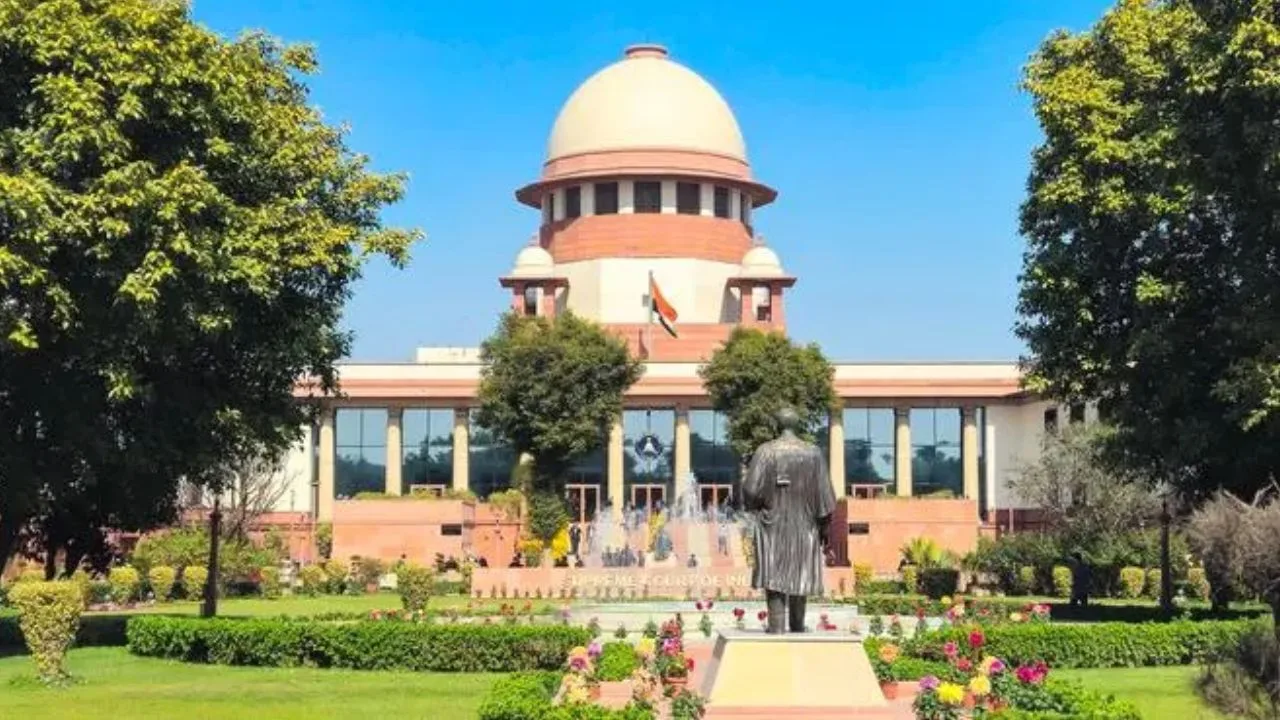
Bilkis Bano Case: Supreme Court Grants Interim Bail to Two Convicts After 17 Years Behind Bars
Bilkis was 21 years old and five months pregnant when she was gang-raped during the communal riots in Gujarat in 2002. Her three-year-old daughter was among the seven family members killed. A promise of accountability delivered by the highest court has run headlong into the routine mechanics of criminal appeals, leaving two men convicted of heinous crimes once again outside prison walls. Nearly three years after the Supreme Court ordered 11 convicts back to jail by tearing up an illegal state remission order, a new bench has granted interim relief to two of those defendants, pointing directly to the sheer weight of time already served. The decision lays bare the friction between swift justice for victims of communal violence and the constitutional right of prisoners to challenge underlying convictions that carry life sentences.
That leaves prosecutors defending a record that lower courts spent years building against a fresh defense strategy focused on medical hardship and procedural anomalies. The Supreme Court bench composed of Justices MM Sundresh and Prasanna B Varale issued the order on October 28, which has now been uploaded for public review. It suspends the life terms of Bipinchandra Kanaiyalal Joshi, also known as Lala Doctor, and Pradip Ramanlal Modiya, allowing both men to step out of custody while their challenges to the 2017 Bombay High Court judgment wind their way through the docket.
The core justification centers on arithmetic and anatomy rather than any new proof of innocence. Having heard the parties, suffice it to state that the appellants have been under incarceration for a period of more than 17 years, and also the fact remains that one of the appellants has a severe handicap. Certainly, there are issues to be decided in the appeal, both on fact and law, the bench stated in its order, capturing the dual pillars of time served and complex legal questions that tilted the balance toward bail.
What Led The Supreme Court To Grant Interim Relief?
The path to this moment stretches back to the post-Godhra riots of February 2002. A special CBI court in Mumbai convicted eleven men in 2008 and awarded them life imprisonment in connection with the sessions case arising from FIR No. 59 of 2002, registered at Godhra Town Police Station in Gujarat's Panchmahal district, under Sections 143, 147, and 302 read with Sections 149 and 376 of the Indian Penal Code.
Those convictions survived a rigorous test at the appellate level when the Bombay High Court affirmed the convictions and sentences on May 4, 2017. Yet the defendants refused to accept the judgment, carrying their appeals to the Supreme Court while accumulating more than 17 years behind bars.
The state machinery attempted to block the latest release with all available resources. Additional Solicitor General Raja Thakre and advocate Swati Ghildiyal, appearing for the state government and other respondents, vehemently opposed the contentions raised by the appellants' counsel by arguing that both lower courts had considered the relevant material on record, particularly in view of the seriousness of the offence.
How Did Senior Advocates Argue For The Convicts?
Defense teams pierced that institutional resistance by isolating individual circumstances within a collective crime. Representing the accused before the Apex Court, Senior Advocate Siddharth Luthra deployed a two-pronged argument emphasizing both temporal endurance and specific procedural flaws in how his clients were originally dragged into the dock.
Luthra highlighted their lengthy period of incarceration and also referred to the circumstances surrounding their implication in the case, including the contention that one of the appellants had not figured in the original FIR and had been implicated nearly three years after the incident. Coupled with the severe handicap suffered by one of the appellants, this gave the justices enough room to conclude that the appeals raised substantial questions of law and fact demanding a proper hearing rather than dismissal.
- Bipinchandra Kanaiyalal Joshi, also known as Lala Doctor, noted for his severe physical handicap and prolonged incarceration.
- Pradip Ramanlal Modiya, who faced police implication nearly three years after the initial FIR was filed.
- Bilkis Bano, the survivor who continues to fight for justice through successive legal rounds.
- The remaining co-convicts, including Govind Nai, Ramesh Chandan, Mitesh Bhatt, Bakabhai Vohania, Kesarbhai Vhohania, Jaswant Nai, Radheshyam Shah, Rajubhai Soni, and Shailesh Bhatt.
The contrast between these individual legal arguments and the scale of the original massacre remains the most jarring element of the proceedings. The defendants were part of a larger group whose premature release by the Gujarat government in August 2022 was quashed by the Supreme Court in 2024. That decision was overturned on January 8, 2024, when the Supreme Court held that Gujarat was not the appropriate government to exercise the remission power in the case, and the convicts were ordered to return to prison.
Why Does This Bail Order Differ From The 2024 Remission Ruling?
Legal observers note a vital distinction between executive mercy and judicial interim relief. The 2024 judgment stripped away a political favor granted by an improper authority, whereas the current order represents a routine constitutional safeguard applied to long-term prisoners whose final appeals remain undecided. The bail order does not amount to an acquittal, and their appeals will be heard by the Supreme Court.
That nuance offers little comfort to those tracking the long aftermath of the 2002 violence. The State maintained its opposition to their release in view of the seriousness of the offences. Yet the bench ultimately placed greater weight on the calendar, ruling that prolonged confinement without a final verdict on pending appeals creates constitutional pressures that even the gravest charges cannot automatically override.
The Supreme Court ordered suspension of the sentences and granted them bail, subject to conditions to be stipulated by the competent court, with their appeals to be listed for hearing in due course.
Updated 1 time since publication; last update 17 November 2026, 08:52.