Indian police forcibly hospitalize Sonam Wangchuk after 20-day hunger st…
Education reformer Sonam Wangchuk was forcibly moved to a New Delhi hospital following a 20-day hunger strike protesting alleged leaks in India’s exam system.
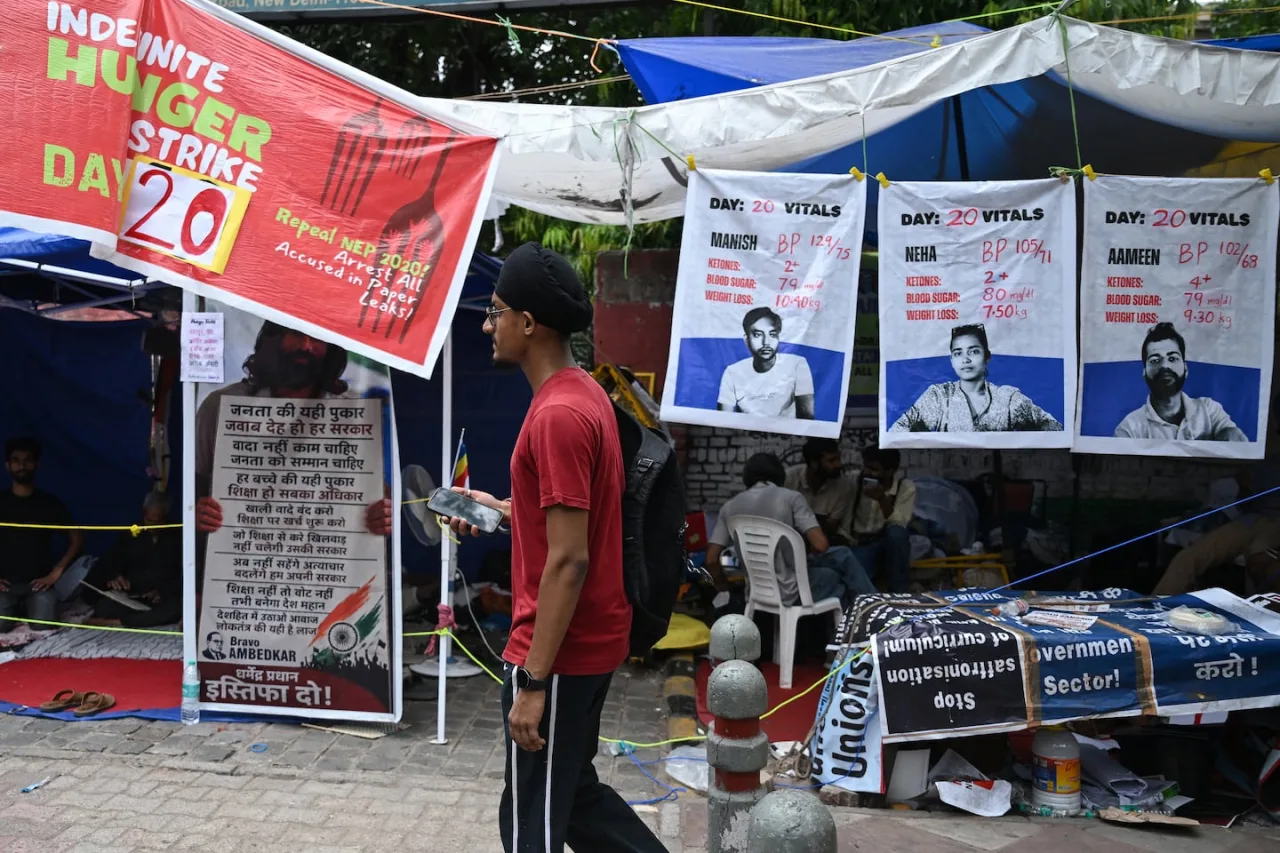
Indian police forcibly hospitalized Sonam Wangchuk, a 59-year-old education reformer and prominent figure in the Cockroach Janta Party (CJP), on July 18, 2026, after 20 days of a hunger strike protesting alleged leaks in India’s examination system. The move, which occurred at New Delhi’s Jantar Mantar—a site historically used for public demonstrations—sparked immediate controversy, with activists accusing the government of suppressing dissent and authorities citing medical necessity.
Wangchuk, who had been fasting since June 28 to demand the resignation of Education Minister Dharmendra Pradhan over a scandal involving leaked medical entrance exam papers, was taken to Safdarjung Hospital amid heightened security. Delhi Police stated the transfer followed a directive from the Delhi High Court and medical advice, as his health had deteriorated. A deputy commissioner, Sachin Sharma, claimed the action was “a much-needed medical intervention” and that police exercised “maximum restraint” during the operation, though a brief commotion erupted as protesters attempted to block the move.
The CJP, however, condemned the action as an “abduction” without Wangchuk’s or his family’s consent. The party’s chief spokesperson, Saurav Das, disputed the medical rationale, noting no doctor had examined Wangchuk before his removal. “The court has not ordered his forcible removal,” Das said, adding that authorities aimed to stifle a movement gaining momentum. Wangchuk’s wife, Gitanjali J. Angmo, later posted on social media that she would not allow her husband to receive “oral or intravenous” treatment without her consent, despite his weakened state.
The protest, rooted in a May 2026 satirical response to Supreme Court Chief Justice Surya Kant’s characterization of unemployed youth as “cockroaches,” had drawn hundreds of students and activists to Jantar Mantar. The CJP’s campaign, which amassed over 21 million Instagram followers, demands not only Pradhan’s resignation but also systemic reforms to India’s exam system and compensation for families of students who died by suicide following the paper leak scandal. The controversy erupted after 2.2 million medical students were forced to retake an exam amid allegations of widespread cheating, triggering outrage and at least a dozen reported suicides.
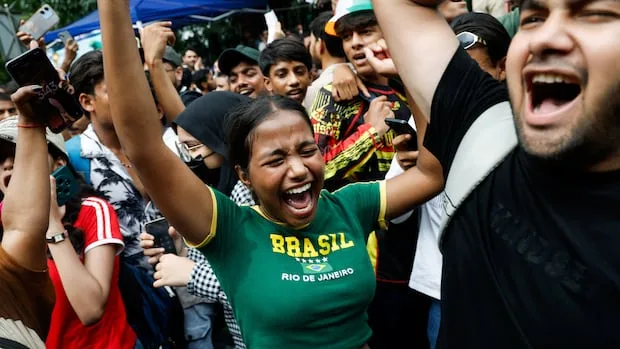
Opposition leaders and civil society groups swiftly criticized the police action. Aam Aadmi Party (AAP) leader Sanjay Singh accused the government of “thuggery,” while Trinamool Congress MP Sagarika Ghose called it “coercive state violence.” The Samajwadi Party’s Dimple Yadav described the move as an “assault on democracy.” Meanwhile, CJP founder Abhijeet Dipke, a Boston University student, announced an indefinite hunger strike, alleging he was “beaten up and put under detention” by police. He vowed to continue the protest, stating, “The resolve and the movement will only get stronger.”
The Delhi High Court had earlier ordered daily medical monitoring of Wangchuk after a petition warned of his life-threatening condition. A bench comprising Chief Justice DK Upadhyaya and Justice Tejas Karia emphasized that “the life of every citizen is precious,” but the court’s involvement did not quell accusations of political interference. Police deployed additional personnel and barricades around Jantar Mantar and the hospital, citing “precautionary” measures to ensure order.
Wangchuk’s case has become a focal point for broader tensions over governance and free speech in India. His hunger strike, which he initially vowed to sustain for six weeks, highlighted the grievances of a generation disillusioned by systemic failures. The government’s response, however, has deepened perceptions of authoritarianism, with critics arguing that the crackdown on dissent undermines democratic principles. As protests continue, the standoff underscores the volatile intersection of activism, education reform, and political power in contemporary India.
Dateline Wire is dedicated to independent, evidence-backed reporting. This briefing was synthesized from primary source reporting, corroborated across independent newsrooms, and verified against our Editorial Standards.