US launches third straight day of strikes on Iran as Trump reinstates bl…
President Trump has ordered a naval blockade and proposed a 20% shipping toll in the Strait of Hormuz following three days of U.S. military strikes. The escalation follows the collapse of a June ceasefire and has resulted in a surge in global oil prices.
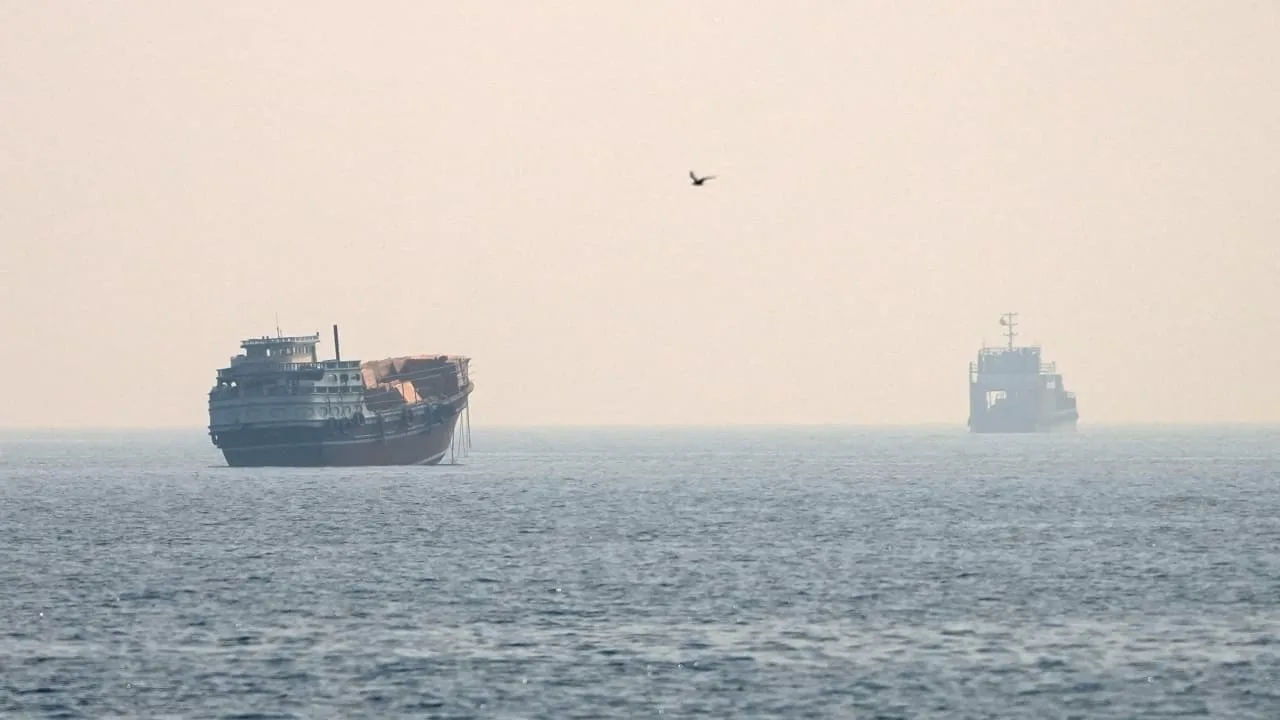
The United States launched its third consecutive day of strikes on Iran on July 13, 2026, as President Donald Trump announced the reinstatement of a naval blockade in the Strait of Hormuz and proposed a 20% toll on cargo passing through the critical waterway. The escalation marks a sharp intensification of hostilities between the U.S. and Iran, with both sides accusing each other of destabilizing the region and violating international norms.
The U.S. military, under Trump’s directive, conducted strikes targeting Iranian air defense systems, missile sites, and coastal infrastructure, according to U.S. Central Command. These attacks, which began on July 11, were framed as a response to Iranian threats against commercial shipping and U.S. allies. “These strikes will continue imposing a heavy cost on Iranian forces and degrade their ability to attack innocent civilians and commercial shipping in the Strait of Hormuz,” the command stated. The U.S. also announced plans to enforce a blockade on Iranian vessels, restricting their access to ports and coastal areas starting July 14.
Trump’s announcement of the blockade and toll came amid a broader shift in U.S. policy. The president claimed the Strait of Hormuz, a vital route for one-fifth of global oil supplies, would be “reimbursed” for security costs, asserting that “the U.S. will probably run the strait.” This stance directly contradicted previous U.S. positions opposing tolls on international waterways. The 20% fee, he argued, would cover “any and all costs necessary to do the job of providing safety and security.” However, the International Maritime Organization (IMO) and global legal experts condemned the proposal, stating there is “no legal basis” for mandatory tolls on international straits.
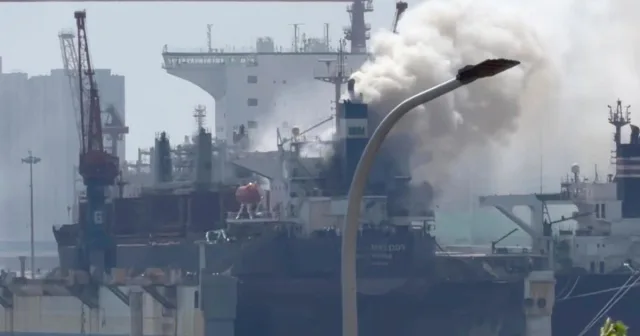
Iran responded to the U.S. actions with its own attacks, including a reported strike on two UAE-flagged oil tankers in the Strait of Hormuz on July 12. The UAE confirmed one Indian crew member was killed and eight others injured, calling the attack a “serious violation of international law.” Iran’s Islamic Revolutionary Guard Corps (IRGC) accused the U.S. of endangering global oil supplies, vowing to “strongly contest” any U.S. moves. The conflict has already disrupted shipping traffic, with maritime data showing a sharp decline in vessel transits through the strait amid heightened security risks.
The U.S. and Iran had previously signed a fragile ceasefire agreement in June 2026, but the deal has unraveled amid repeated attacks. Trump declared the ceasefire “over” on July 13, citing Iranian aggression. He also threatened to strike Iran’s “Pickaxe Mountain” nuclear site, a deeply buried facility believed to be part of Iran’s nuclear program. “They have nothing. They have nothing going, other than they have big mouths,” Trump told conservative radio host Hugh Hewitt, vowing to “hit them very hard tonight and tomorrow.”
The U.S. military’s actions have drawn legal scrutiny. Trump formally notified Congress on July 10 that hostilities against Iran had resumed on July 7, invoking the War Powers Resolution. Democrats and legal experts have criticized the move, arguing it undermines congressional authority over military engagements. Meanwhile, the U.S. Navy warned that noncompliant vessels in the blockaded area could face interception, diversion, or capture, though enforcement details remain unclear.
International reactions to the escalating conflict have been mixed. The UN’s Secretary-General Antonio Guterres expressed “deep concern” over the “serious escalation of renewed military confrontation,” urging de-escalation. The UAE, Qatar, and other Gulf states have condemned Iranian attacks, while Iran has sought to position itself as the “guardian” of the Strait of Hormuz. The country’s foreign minister, Abbas Araghchi, acknowledged the U.S. proposal for a toll but called it “too much,” stating Iran would “be fair” in determining any charges.
The crisis has also fueled global economic anxiety. Oil prices surged after the strikes, with Brent crude rising to $81.92 per barrel. The conflict’s impact on energy markets has become a political flashpoint for Trump, who faces congressional elections in November. Analysts warn that the blockade and toll could further destabilize the region, with the potential to disrupt global trade and spark broader regional conflicts.
Dateline Wire is dedicated to independent, evidence-backed reporting. This briefing was synthesized from primary source reporting, corroborated across independent newsrooms, and verified against our Editorial Standards.