Oxford University launches first human trial of Bundibugyo Ebola vaccine
Oxford scientists have initiated a Phase I trial for the ChAdOx1 BDBV vaccine to combat the Bundibugyo Ebola virus, which currently lacks approved treatments.

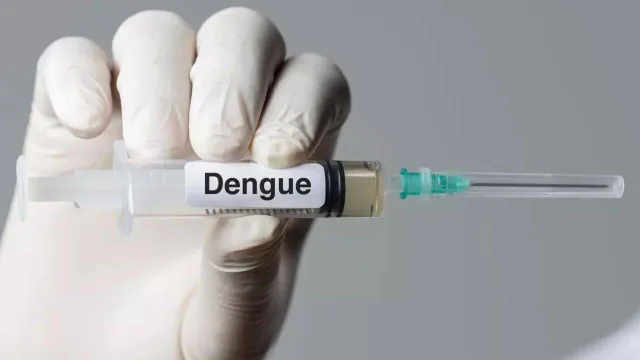
The University of Oxford has initiated the first human trial of a vaccine targeting the Bundibugyo species of Ebola virus, marking a critical step in addressing an ongoing outbreak in the Democratic Republic of the Congo (DRC) and Uganda. The Phase I trial, designated BD-Ebov, will assess the safety and immune response of the ChAdOx1 BDBV vaccine in 50 healthy adults aged 18 to 55 in Oxford, with vaccinations expected to begin in the coming weeks pending regulatory approval.
Developed by Oxford’s Vaccine Group and Pandemic Sciences Institute, the vaccine employs the same viral vector platform as the Oxford/AstraZeneca COVID-19 vaccine. This technology, which uses a modified chimpanzee adenovirus to deliver genetic material from the Ebola virus, enabled rapid development. Scientists at Oxford completed the vaccine in 57 days following the World Health Organization’s (WHO) May 15 declaration of the outbreak as a public health emergency of international concern. The Serum Institute of India, a key partner, manufactured and stockpiled approximately 620,000 doses of the candidate vaccine within two weeks, with 4,000 investigational doses allocated for the trial.
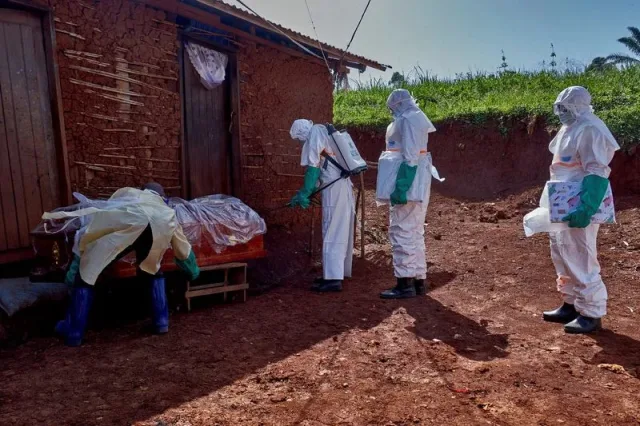
The trial’s urgency is driven by the severity of the Bundibugyo outbreak, which has already claimed 702 lives out of 1,926 confirmed cases as of late July 2026. Unlike the Zaire strain, which has approved treatments, no vaccines or drugs exist for Bundibugyo, complicating efforts to contain the virus. The outbreak, the third-largest in recorded history, has spread to two additional DRC provinces—Haut-Uele and Tshopo—amid challenges posed by conflict zones and mobile populations.
The Coalition for Epidemic Preparedness Innovations (CEPI) has pledged $8.6 million to support the vaccine’s development, with plans to fund late-stage trials if the Phase I results are promising. CEPI’s executive director, Dr. Nicole Lurie, emphasized the trial’s significance, stating it represents “a pivotal milestone in the response effort” to protect vulnerable communities. Oxford and its partners also aim to ensure rapid and affordable vaccine distribution for affected countries.
Volunteers in the UK trial will be monitored for a year, though researchers anticipate early insights into the vaccine’s efficacy within weeks. Professor Teresa Lambe, the study’s lead investigator, highlighted the collaborative effort behind the rapid development, noting that the trial underscores “how collaborative partnerships can enable rapid response in the face of rapidly evolving outbreaks.”
The trial follows the WHO’s May recommendation to prioritize the ChAdOx1 BDBV vaccine alongside a single-dose candidate, rVSV Bundibugyo, developed by the International AIDS Vaccine Initiative. While Oxford’s trial is the first to enter human testing, other vaccines, including one from Moderna using mRNA technology, are also in advanced stages of development. However, the ChAdOx1 BDBV vaccine’s use of an established platform has allowed it to progress swiftly.
Despite the speed of development, researchers stress that all standard safety protocols are being followed. Dr. Katrina Pollock, the trial’s chief investigator, acknowledged the risks but emphasized that “severe side effects are very rare” and that participants will be fully informed of potential hazards. The vaccine’s design, which does not cause infection but triggers an immune response through a single Ebola protein, aims to balance safety with effectiveness.
Plans are already underway for additional clinical studies in Uganda, with partnerships including the Medical Research Council/Uganda Virus Research Institute and the London School of Hygiene and Tropical Medicine Uganda Research Unit. These trials, pending regulatory approval, could expand the vaccine’s testing to regions most affected by the outbreak.
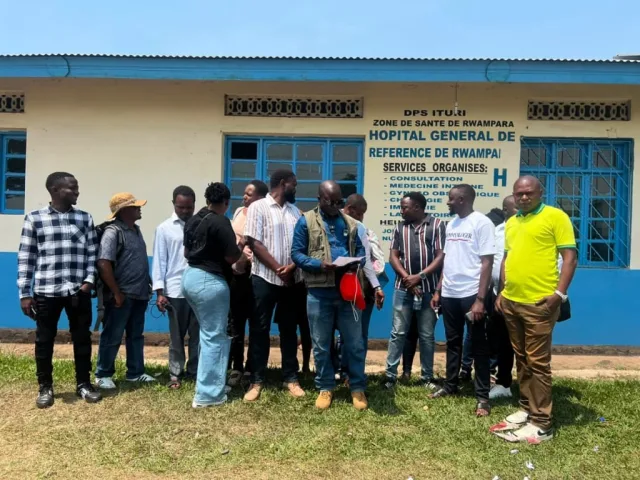
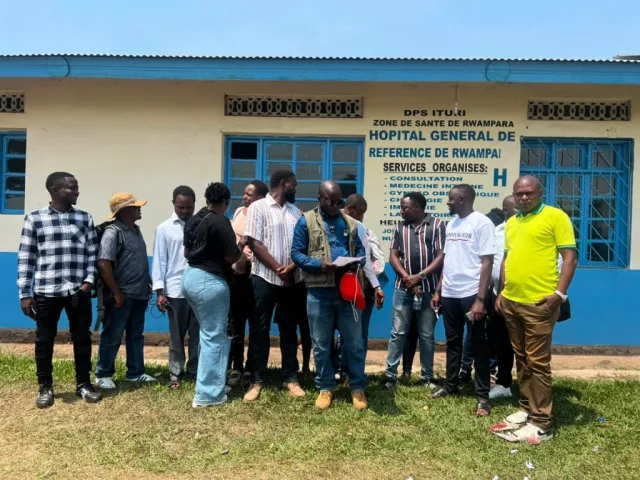
The Bundibugyo outbreak has tested global health systems, with cases reported in DRC’s Ituri, North Kivu, and South Kivu provinces. The virus’s emergence in conflict-affected areas has further complicated containment efforts, underscoring the need for a vaccine to curb transmission. Oxford’s trial represents a race against time to develop a tool that could prevent further loss of life and stabilize the region.
Dateline Wire is dedicated to independent, evidence-backed reporting. This briefing was synthesized from primary source reporting, corroborated across independent newsrooms, and verified against our Editorial Standards.