Cut off from Kinshasa, Congo's AFC/M23 rebels built their own Ebola resp…
The AFC/M23 rebel group is operating a parallel Ebola response system in eastern Congo, which experts warn could hinder broader disease containment.
- Headline: Cut off from Kinshasa, Congo's AFC/M23 rebels built their own Ebola resp…
- Dispatch Summary: The AFC/M23 rebel group is operating a parallel Ebola response system in eastern Congo, which experts warn could hinder broader disease containment.
- Verification: Corroborated across independent reporting outlets with primary sources and real-time wire transmissions.
Congo’s AFC/M23 Rebels and Ebola Response
Congo’s AFC/M23 rebels, who control parts of North and South Kivu provinces, have established an independent Ebola response system in areas they govern, separate from the central government in Kinshasa. This effort, marked by collaboration with Rwanda and internal coordination, has allowed the group to present itself as a functional administration during a small-scale outbreak. However, analysts warn that the fragmented response could hinder broader containment efforts as the disease spreads.
Rebels’ Parallel Governance
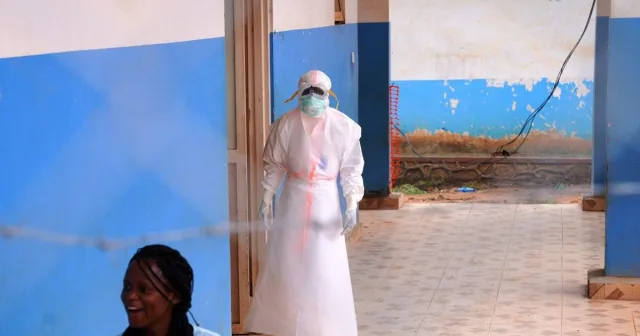
The AFC/M23, which captured Goma and Bukavu in early 2025, declared an Ebola outbreak in its territory on May 15, 2026. According to data from Congo’s Health Ministry and the World Health Organization, the group reported four cases — one in Goma and three near Bukavu — before declaring the outbreak over after a 21-day monitoring period without new infections. Freddy Kaniki, the group’s deputy coordinator for the response, stated that 400 contacts were monitored, with 98% receiving daily follow-up. By mid-June, 207 samples had been tested in rebel-controlled areas of North Kivu.
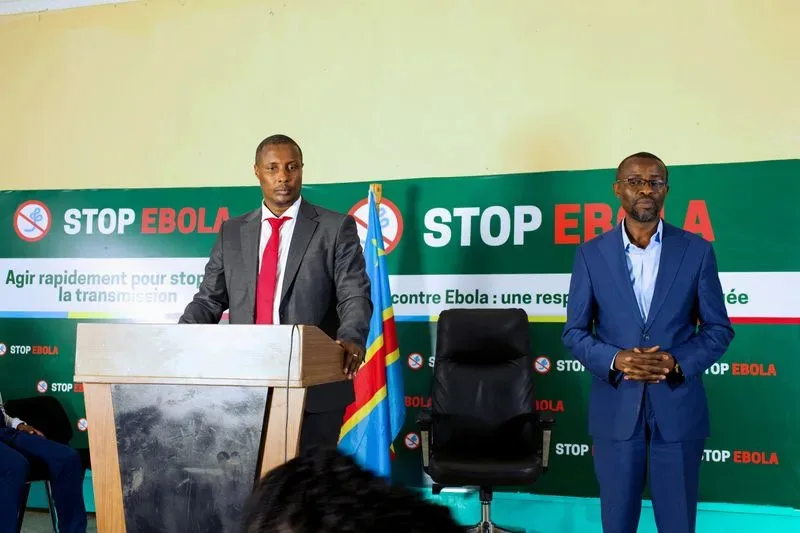
The rebels have used social media to publicize their efforts, sharing videos of Kaniki and officials inspecting laboratories and meeting health workers. These actions aim to project an image of governance, contrasting with the Congolese government’s struggles. “AFC/M23 is keen to demonstrate its capacity to function as a state and manage a public health crisis better than the Congolese government,” said Reagan Miviri of the Kinshasa-based Ebuteli research institute. However, he noted that the group’s response has been tested only with four cases, limiting its scope.
Rwanda’s Role and Resource Gaps
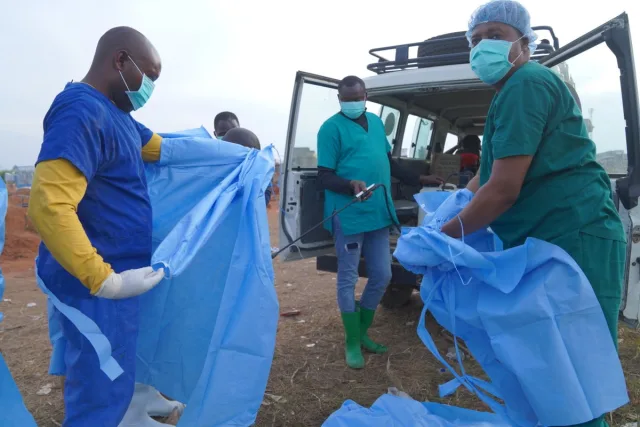
The rebels’ response has relied heavily on support from Rwanda, their main backer. Kigali deployed six specialists to Goma, including experts in surveillance, laboratories, and safe burials, while the Rwanda Biomedical Center and Gisenyi Hospital supplied $6,891 and $85,467 in materials, respectively, primarily protective equipment. Rwanda’s government emphasized its focus on regional surveillance, stating that “infectious diseases do not respect borders.”
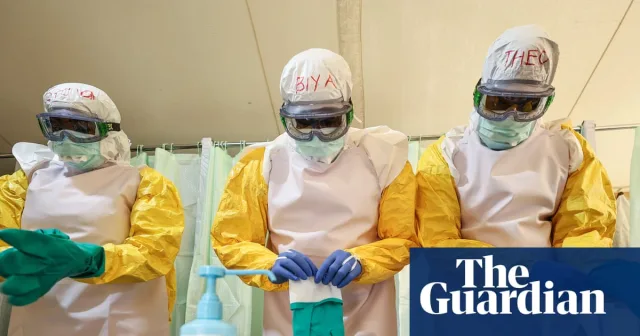
Despite this aid, the response remains under-resourced. Documents reviewed by Reuters highlight shortages of protective gear, infection-control kits, and vehicles. Goma’s laboratory had only two extraction kits as of mid-June, limiting testing capacity. The closure of Goma’s airport and the shutdown of the rebel-held banking system further complicated supply chains and personnel movement.
Fragmented Response and Regional Tensions
The rebels’ parallel health administrations operate separately from Kinshasa’s structures, with cooperation limited to data sharing and lab testing. Damien Mama, the U.N.’s interim humanitarian coordinator in Congo, noted that aid agencies facilitate coordination through established surveillance mechanisms. However, the lack of integration raises concerns about consistency and efficiency.
Analysts warn that the rebels’ strict containment measures, such as suspending bus routes to government-held areas and isolating potential contacts, could exacerbate tensions. A journalist traveling to Ituri was placed in 15-day isolation upon returning to rebel-controlled territory, reflecting the group’s stringent protocols. “If the outbreak spread into frontline areas and case numbers rose significantly, the response could become much more complicated,” Miviri said.
Broader Ebola Crisis in Congo
While the rebels managed a localized outbreak, the broader Ebola crisis in Congo remains severe. As of late June, the national outbreak had infected 1,873 people and killed 672, with transmission continuing in government-held areas. Attacks on treatment centers, fueled by community distrust and aid cuts, have further complicated efforts. In Ituri province, arson attacks on facilities and clashes at hospitals underscore the volatility of the situation.
Health workers report shortages of critical supplies, including face shields, testing kits, and body bags. Julienne Lusenge, president of an aid group in Bunia, described having “only hand sanitizer and a few masks for the nurses.” The Bundibugyo strain of Ebola, which lacks an approved vaccine or treatment, has intensified the challenge. Meanwhile, armed groups like the Allied Democratic Forces, linked to ISIS, continue to destabilize the region, complicating public health efforts.
The AFC/M23’s response highlights the deepening fragmentation of Congo’s health infrastructure. While the rebels have demonstrated administrative capability in their controlled zones, the broader outbreak underscores the limitations of a divided approach. As the disease spreads, the need for coordinated, well-resourced efforts remains urgent, yet the conflict and political tensions show no signs of abating.