FIFA to examine 64-team World Cup proposal for 2030 tournament
FIFA is evaluating a proposal to expand the 2030 World Cup to 64 teams to mark the tournament's centenary, sparking debate over format and feasibility.
- Headline: FIFA to examine 64-team World Cup proposal for 2030 tournament
- Dispatch Summary: FIFA is evaluating a proposal to expand the 2030 World Cup to 64 teams to mark the tournament's centenary, sparking debate over format and feasibility.
- Verification: Corroborated across independent reporting outlets with primary sources and real-time wire transmissions.
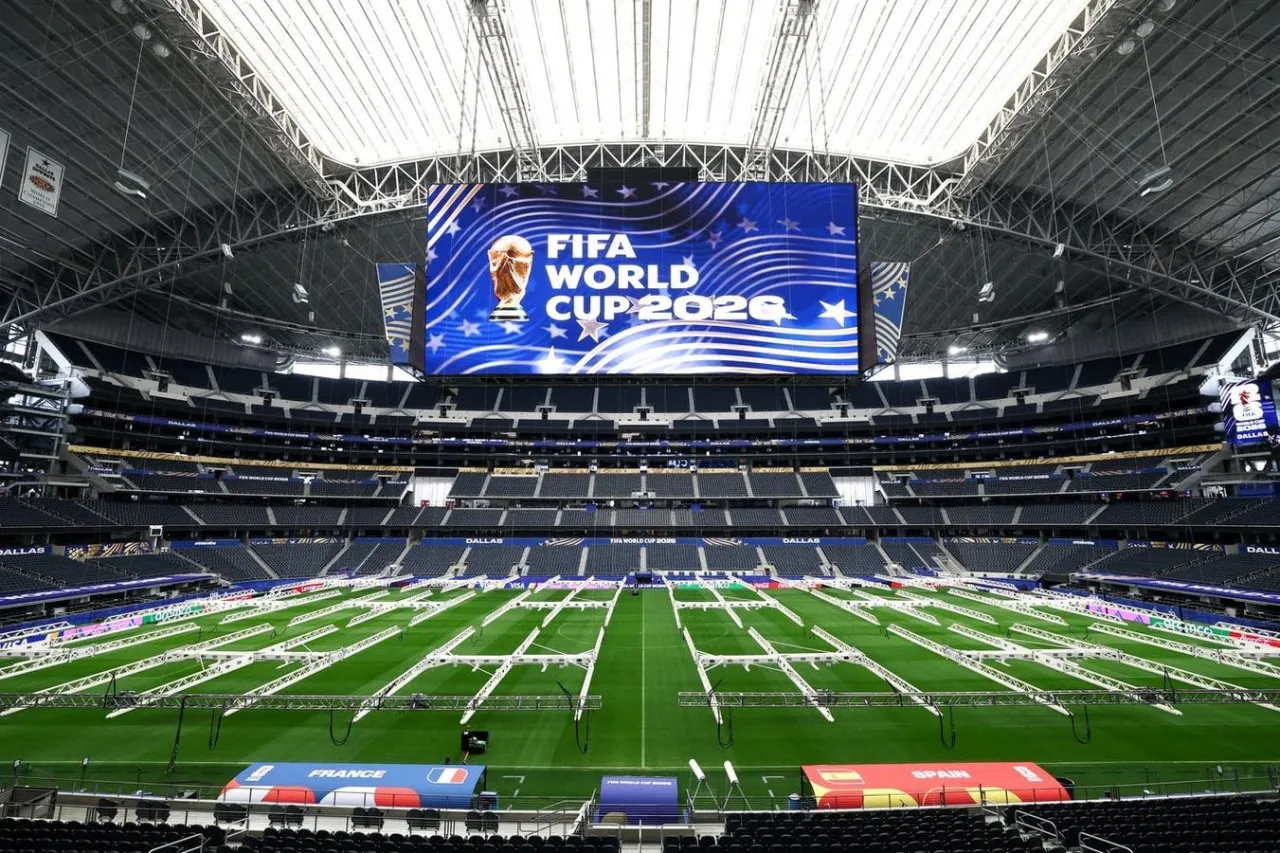
FIFA is examining the possibility of expanding the men’s World Cup to 64 teams for the 2030 tournament, a proposal that has sparked both excitement and concern within global football. The idea, first formally presented by South American leaders, aims to mark the 100th anniversary of the inaugural World Cup in Uruguay while addressing calls for greater inclusivity. However, the plan faces significant opposition from key confederations and stakeholders, with debates over its feasibility, impact on competition quality, and logistical challenges.
Background of the Proposal
The 64-team concept was initially raised in March by Ignacio Alonso, president of the Uruguayan Football Association, during a FIFA Council meeting. It was later formalized by CONMEBOL, South America’s football confederation, which argued the expansion would honor the centenary of the 1930 tournament. A meeting at FIFA’s New York City headquarters in late July brought together CONMEBOL leaders, heads of state from Uruguay and Paraguay, and representatives from Argentina’s football association. CONMEBOL president Alejandro Dominguez emphasized the proposal as a “once-in-a-century opportunity” to create a “truly global” celebration of football.The 2030 World Cup is already set to be the most geographically expansive in history, with matches spread across six countries across three continents. Spain, Portugal, and Morocco will host the majority of games, while Uruguay, Argentina, and Paraguay will stage opening matches to commemorate the 1930 event. Under the 64-team plan, these South American nations could host entire group stages, a shift that would require significant logistical adjustments.
Pros and Cons of Expansion
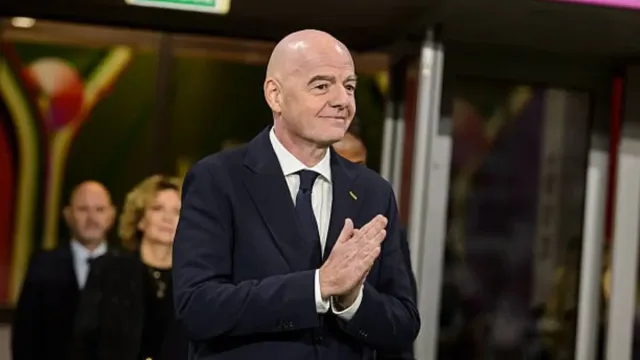
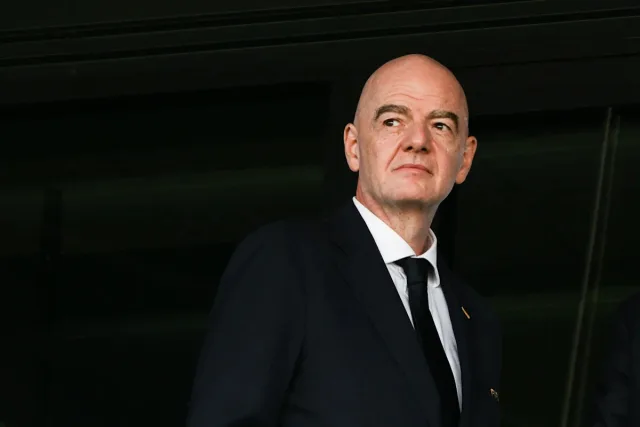
Supporters, including CONMEBOL and FIFA President Gianni Infantino, argue that a 64-team tournament would democratize access to the World Cup, allowing more nations to participate. Currently, only 10 of South America’s 10 teams qualify for the 48-team format, a disparity CONMEBOL seeks to address. The proposal also simplifies the group stage structure: 16 groups of four teams, with the top two advancing, eliminating the controversial third-place qualification system used in the 2026 tournament.Proponents highlight potential financial gains, as a 64-team format would add 24 matches to the tournament, increasing revenue from TV rights and sponsorships. The 2026 World Cup, already the largest with 48 teams, is projected to generate over $11 billion in revenue. A 64-team event could further boost these figures, with media companies like Netflix, Apple, and Disney reportedly interested in securing rights.
However, critics warn of risks. UEFA president Aleksander Ceferin and CONCACAF president Victor Montagliani have opposed the plan, citing concerns about the tournament’s quality and the already crowded international calendar. A 64-team World Cup would require 128 matches, compared to 64 in the 1998–2022 era, straining player and fan schedules. The increased number of games could also dilute the prestige of qualification, with some nations facing minimal competitive challenges.
Logistical and Environmental Challenges
The proposal raises questions about feasibility. A 64-team tournament would necessitate 20–22 stadiums, making solo hosting nearly impossible. Co-hosting, already rare, would become the norm, a departure from past tournaments. The 2030 event is already expected to have the largest carbon footprint in World Cup history due to its transcontinental scope. Environmental groups have criticized the plan, arguing it conflicts with FIFA’s net-zero commitments.Logistical hurdles extend to the tournament’s schedule. The 2026 World Cup, with 104 matches, already features days with up to six games, forcing inconvenient kickoff times. A 64-team format would exacerbate this, with group stages spanning 96 matches. The 2030 tournament’s timeline — running from June to July — would also face pressure, as football’s calendar grows increasingly packed with club competitions and other events.
Divided Reactions and Next Steps
While CONMEBOL and Infantino remain vocal advocates, other confederations have expressed skepticism. The Asian Football Confederation (AFC) and UEFA have warned of “chaos” and “damage to the broader football ecosystem.” Some nations, like Italy and Nigeria, have missed out on recent expansions, raising questions about whether a 64-team format would truly benefit global football or merely reward larger nations.FIFA’s decision remains uncertain. The organization has stated it will analyze the proposal but has not committed to a timeline. A key factor will be the success of the 2026 tournament, which could influence whether stakeholders support further expansion. Meanwhile, the 2030 World Cup’s current structure, hosted by Spain, Portugal, Morocco, and South American nations, faces scrutiny over its balance of global representation.
The debate reflects broader tensions within football: between inclusivity and quality, tradition and innovation, and commercial interests and sustainability. As FIFA weighs its options, the 64-team proposal underscores the sport’s evolving role as a global spectacle, balancing ambition with the challenges of maintaining its integrity.