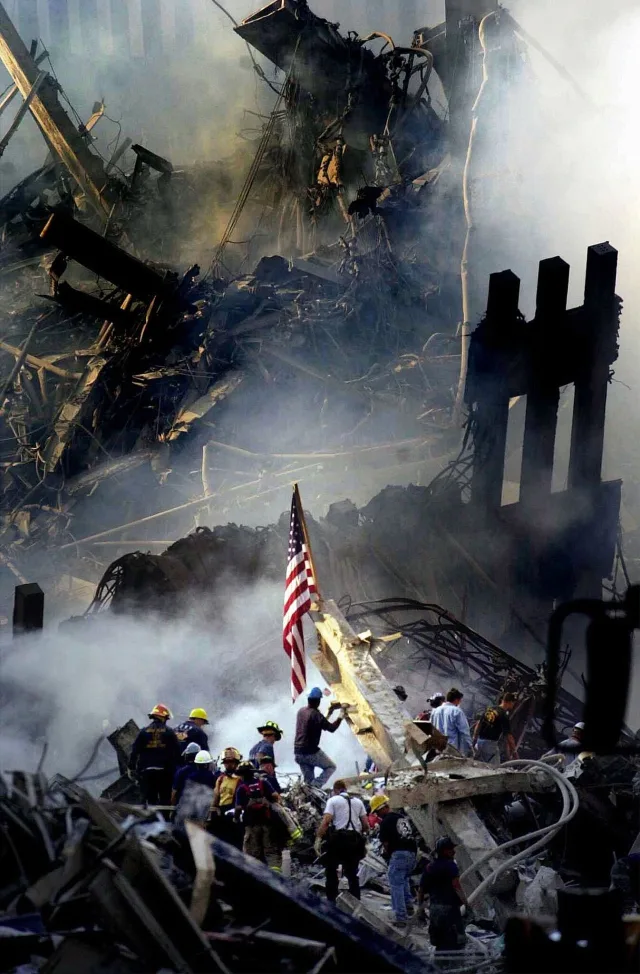
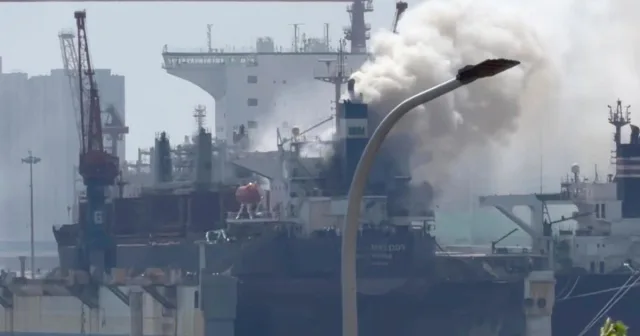
Iran strikes Gulf energy infrastructure following seventh night of US raids
Iranian forces launched renewed attacks on Gulf states, targeting military and civilian infrastructure in response to a seventh night of U.S. strikes. The escalation follows the collapse of a ceasefire, leading to significant damage and fears of a broader regional conflict.
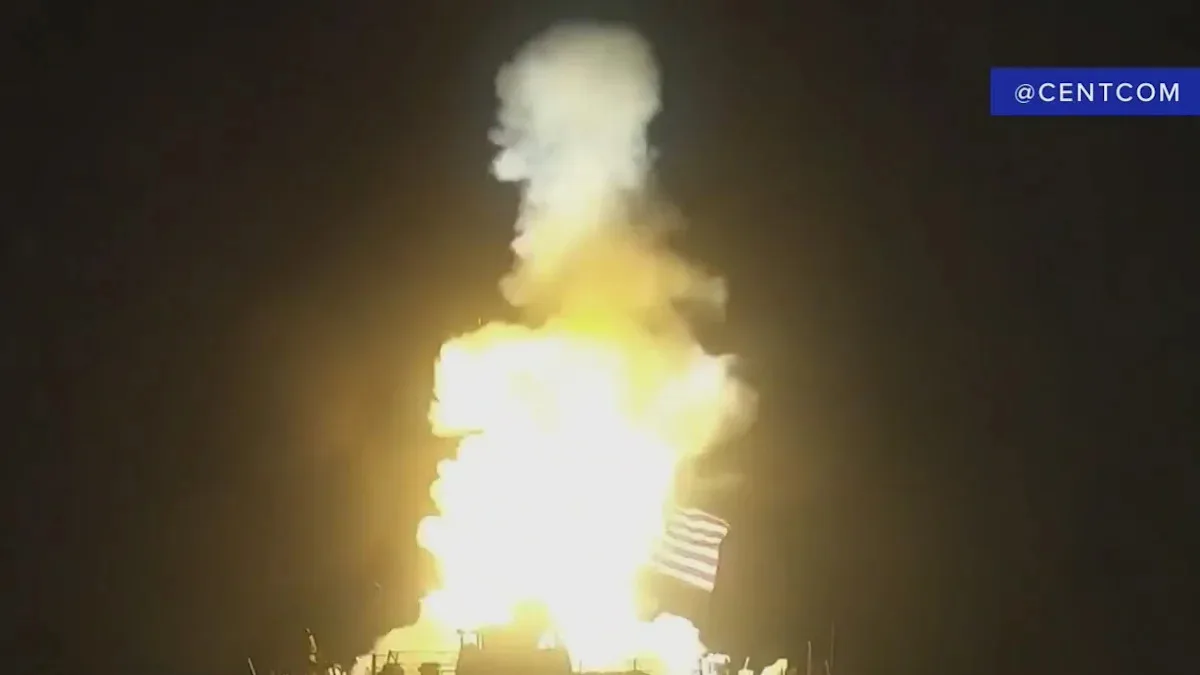
Iran launched renewed attacks on Gulf states on Saturday, July 18, 2026, targeting military facilities and infrastructure in response to a seventh consecutive night of U.S. strikes on Iranian military sites. The escalation followed the collapse of a fragile ceasefire agreement a week earlier, reigniting tensions that have raised fears of a broader regional conflict. Kuwait, Bahrain, and Jordan reported significant damage from Iranian missile and drone strikes, while U.S. forces continued operations against Iranian logistics and maritime capabilities.
Kuwait was a primary target, with a desalination plant hit and Kuwait International Airport forced to suspend operations due to repeated missile and drone threats. The Iranian Islamic Revolutionary Guard Corps (IRGC) claimed to have struck a U.S. military support center at Camp Arifjan and destroyed a radar facility at Ali Al Salem Air Base in Kuwait. Iranian state media also reported attacks on a site in Bahrain where U.S. combat aircraft were stationed, as well as an intelligence data center. The IRGC stated it had destroyed at least two U.S. fighter jets and three other aircraft during a strike on a U.S. base in Al Azraq, Jordan.
The IRGC’s statement warned U.S. allies to expect further attacks, citing a Quranic principle: “Whoever attacks you, attack them in the same manner.” The group accused the U.S. of failing to protect civilian infrastructure, with Iranian media reporting that missiles struck power facilities and desalination pumps in the southern city of Jask, leaving 10,000 people in 20 villages without water. A power generation and desalination plant in Kuwait was also targeted, marking the second attack on such facilities in two days, according to the Kuwaiti Electricity, Water and Renewable Energy Ministry.
The U.S. military’s Central Command (CENTCOM) concluded its seventh consecutive night of strikes on July 18, targeting Iranian surveillance sites, military logistics infrastructure, underground weapons storage, and maritime capabilities. The operation coincided with heightened tensions over the Strait of Hormuz, a critical waterway for global oil shipments. Both sides accused each other of targeting shipping traffic, with the U.S. enforcing a naval blockade and Iran claiming to have struck vessels violating its navigation rules. Oil prices surged over 4% on July 17, the highest level in more than a month, intensifying political pressure on U.S. President Donald Trump ahead of November’s congressional elections.
The United Nations expressed concern over the escalation, with Secretary-General Antonio Guterres’ spokesperson condemning attacks on civilian infrastructure in Iran and the region. Iranian state media reported strikes on the Strait of Hormuz, where three people were killed and eight wounded, along with damage to two bridges and a road tunnel. Earlier, U.S. strikes had targeted at least five bridges in southern Iran, resulting in seven deaths in the port of Bandar Khamir and damage to a train station and an airport in Iranshahr.
Trump has threatened to expand U.S. air strikes on Iranian infrastructure and has not ruled out a ground assault on Iran’s coast or islands. U.S. officials suggested the southern strikes aim to provide Trump with strategic options, though such moves risk provoking Iran to target Gulf states’ vital infrastructure or prompting Yemeni allies to disrupt global energy supplies by attacking Red Sea shipping. The U.S. has also warned that Iran does not control the Strait of Hormuz, despite Tehran’s claim to have closed it following a “warning shot” against an unauthorized vessel.
The conflict has further destabilized the Gulf, where Iran has repeatedly struck countries hosting U.S. bases. The UAE, which had avoided attacks since May, said its air defenses engaged Iranian missiles, while the U.S. denied control of the Strait of Hormuz and urged vessels to use an alternative route near Oman. As the cycle of attacks continues, the prospect of a return to all-out war looms, with civilian infrastructure increasingly at risk and diplomatic efforts to de-escalate the crisis facing mounting challenges.
Dateline Wire is dedicated to independent, evidence-backed reporting. This briefing was synthesized from primary source reporting, corroborated across independent newsrooms, and verified against our Editorial Standards.