Andy Burnham named Labour leader and set to become UK prime minister Monday
Former Greater Manchester mayor Andy Burnham has been confirmed as the new Labour Party leader and will become the UK's next prime minister on July 21.
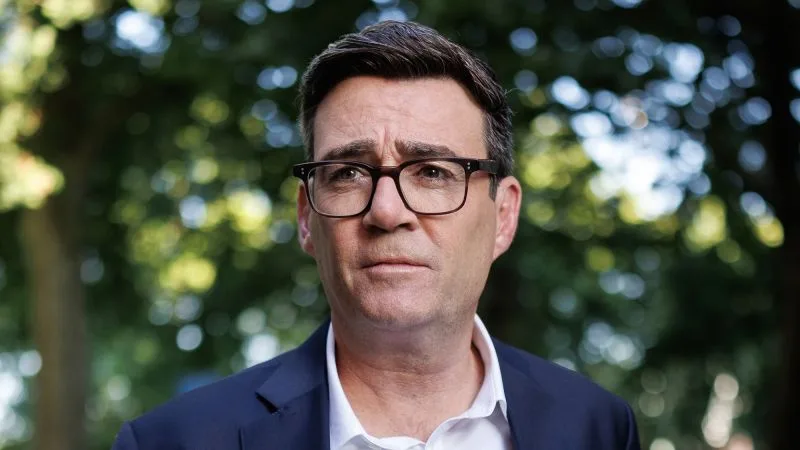
Andy Burnham was officially confirmed as the new leader of the UK’s Labour Party on Friday, July 17, 2026, marking the final step in his transition to prime minister, which will take place on Monday, July 21. The 56-year-old former mayor of Greater Manchester secured overwhelming support from Labour’s 403 MPs, with 379 backing his leadership bid. His ascension to power comes amid a period of political instability, with Burnham set to become the UK’s seventh prime minister in a decade, following the resignation of Keir Starmer after two years in office.
Burnham’s election as leader was a foregone conclusion after he won a crucial by-election in Makerfield, a northern English constituency, in June, which restored his parliamentary seat and positioned him as the clear successor to Starmer. The decision to oust Starmer was driven by the Labour Party’s plummeting poll numbers, particularly after its disastrous performance in May’s local elections, where anti-immigration party Reform UK made significant gains. Burnham’s victory in Makerfield, a traditional Labour stronghold, was seen as a decisive move to counter the rise of Reform and reassure party members wary of losing seats in the next general election.
In his first speech as leader, delivered at a special Labour Party conference in London, Burnham vowed to “give people hope back” and address a political and economic system he described as failing ordinary citizens. He emphasized a vision of “new politics” centered on devolving power from Westminster to local communities, expanding public ownership of key sectors, and tackling long-standing issues like social care and housing. “The country is crying out for a new politics,” he declared, calling for unity within Labour to combat the “new right” represented by Reform UK and the Conservatives.
Burnham’s leadership style contrasts with Starmer’s, whom he praised for laying the groundwork for Labour’s recovery. However, he acknowledged the challenges ahead, including a stagnant economy, a cost-of-living crisis exacerbated by global conflicts, and a fractured political landscape. “We won’t beat Britain’s new right if we are consumed by infighting,” he warned, vowing to prioritize party unity and avoid the factionalism that plagued previous Labour governments. His speech also highlighted a commitment to “pro-business” policies, reflecting his tenure as Manchester’s mayor, where he focused on economic revitalization and public infrastructure.
The transition to power will see Starmer formally resign as prime minister on Monday, after which King Charles III will invite Burnham to form a government. Burnham’s immediate priorities include appointing a cabinet, with potential appointments including Wes Streeting for defence and Angela Rayner for health, though final decisions remain pending.
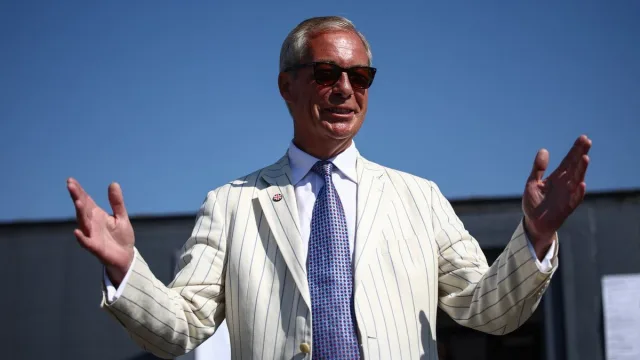
Burnham’s leadership faces skepticism from both within and outside Labour. Critics, including Reform UK leader Nigel Farage, have dismissed his plans as “vacuous,” while the Conservatives have questioned his lack of detailed policy proposals. Meanwhile, trade unions have called for concrete action to address living standards, with the TUC’s Paul Nowak urging Burnham to “hit the ground running” on improving working people’s lives. Internationally, the UK’s diplomatic challenges—particularly its strained relations with the US and Europe—remain unresolved, with Burnham’s stance on issues like social media regulation and AI access likely to draw scrutiny.
According to Yahoo, Starmer’s resignation was partly attributed to his appointment of Lord Peter Mandelson as Great Britain’s U.S. ambassador, which led to Mandelson’s resignation in February amid political pressure over his past associations with the convicted sex offender Jeffrey Epstein. Starmer’s approval ratings had been in decline before the Mandelson saga, with Labour’s Parliament voting intention dropping more than 15 percentage points since his election in July 2024. As of April 2026, only 18% of the British population and 41% of his own party were satisfied with Starmer.
BBC reports that Burnham’s plan to devolve power to local councils and create a “No 10 team” more than 150 miles north of London, based in Manchester, has drawn both support and skepticism. Journalists have criticized his lack of detailed policy proposals, with The Spectator’s Madeline Grant noting that “we know more about Burnham’s views on queuing in pubs and whether milk should go into tea first than we do about his economic policy.” The Telegraph’s Camilla Tominey described his speech as “utterly vacuous,” echoing concerns that Burnham may face the same challenges as his predecessor.
Despite the uncertainties, Burnham’s rise signals a pivotal moment for British politics. His focus on regional empowerment and a “united Labour team” aims to counter the fragmentation that has defined the past decade. As he prepares to move into Downing Street, the coming weeks will test whether his vision for “hope” and “change” can translate into tangible progress for a nation grappling with economic and political upheaval.
The next general election does not have to be held until 2029, as Britain’s parliamentary democracy allows governing parties to change leaders without an election. Burnham will be the UK’s seventh prime minister since 2016, a period marked by frequent leadership transitions. His tenure will be closely watched as he attempts to stabilize a political landscape increasingly polarized by issues such as immigration, economic inequality, and the legacy of Thatcher-era policies.
Dateline Wire is dedicated to independent, evidence-backed reporting. This briefing was synthesized from primary source reporting, corroborated across independent newsrooms, and verified against our Editorial Standards.