Obsidian Director Blasts People 'Running Their Mouths' About Studio Change
Obsidian Entertainment director Brandon Adler has publicly defended the studio's legacy after significant Microsoft layoffs sparked concerns about its creative direction. Adler pushed back against claims that the studio has lost its identity, affirming that core development talent remains intact.
- Headline: Obsidian Director Blasts People 'Running Their Mouths' About Studio Change
- Dispatch Summary: Obsidian Entertainment director Brandon Adler has publicly defended the studio's legacy after significant Microsoft layoffs sparked concerns about its creative direction. Adler pushed back against claims that the studio has lost its identity, affirming that core development talent remains intact.
- Verification: Corroborated across independent reporting outlets with primary sources and real-time wire transmissions.
Obsidian Entertainment director Brandon Adler has publicly confronted critics questioning the studio’s evolving identity in the wake of Microsoft’s sweeping Xbox layoffs, accusing online commentators of spreading misinformation and lacking understanding of game development. Adler, who oversees projects like *The Outer Worlds 2* and a new unannounced title, expressed frustration in a LinkedIn post about the “cold take artists” dissecting the studio’s changes. “The number of times I’ve seen people, with no understanding of who has worked on our previous games or what they contributed, talk about how Obsidian isn’t who they used to be… is staggering,” he wrote. “Most of the time they are not just wrong, but spreading an enormous amount of misinformation.”
The backlash comes as Obsidian, a studio renowned for its role-playing games, faces significant upheaval. Microsoft’s restructuring, described by CEO Asha Sharma as the “most significant restructure” in the company’s history, has resulted in 3,200 job cuts across Xbox, with 1,600 immediately laid off and another 1,600 scheduled for the financial year. Obsidian, a key developer under Xbox, reportedly lost 25% of its workforce, with some reports citing 52 employees let go in a California WARN filing. Adler acknowledged the toll of the layoffs, writing that the week had been “extremely difficult,” noting the emotional weight of bidding farewell to colleagues and friends. “I truly feel for every one of them,” he said.
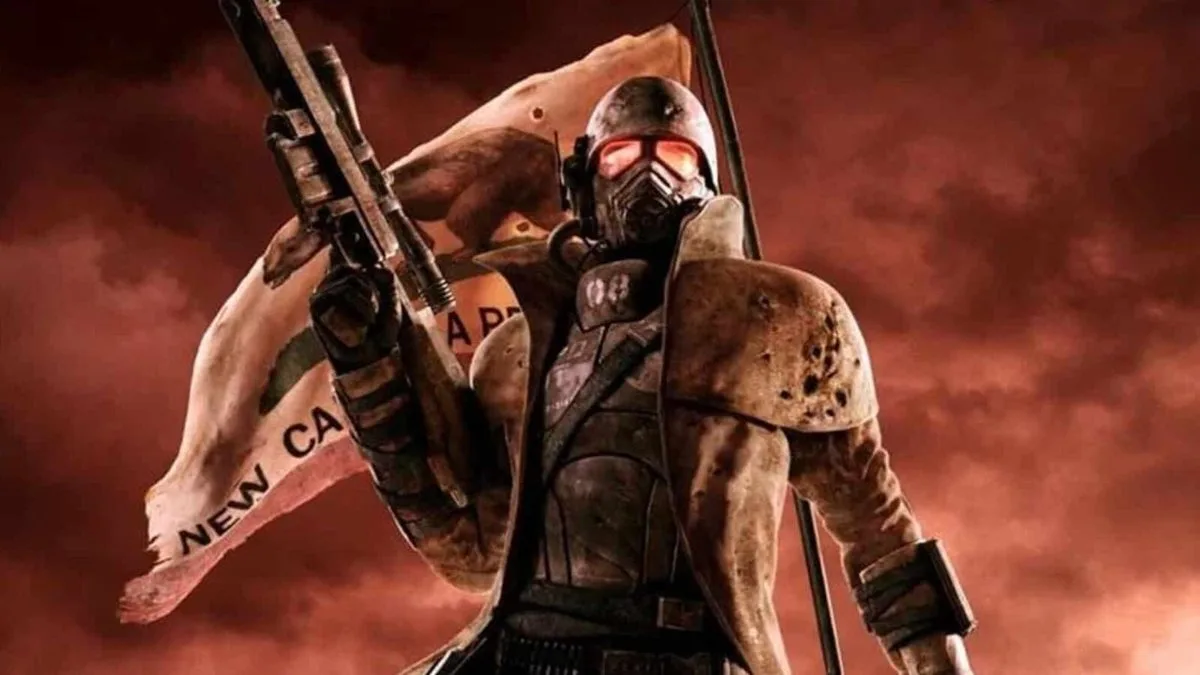
Amid the turmoil, Obsidian has shifted focus, canceling a sequel to its 2025 RPG *Avowed* and pivoting to a new *Fallout* game led by design director Josh Sawyer, the architect of *Fallout: New Vegas*. This move aligns with Microsoft’s broader strategy to prioritize its flagship franchises, a decision that has sparked debate about the future of original IP development. Adler defended the studio’s creative continuity, arguing that its “DNA” remains intact despite changes in leadership and projects. “The people in lead or director roles are the same people that worked on games like *The Outer Worlds*, *Pillars of Eternity*, and *New Vegas*,” he stated. “The through line from KotOR2 to our current games is pretty clear.”
Adler’s remarks highlight tensions between corporate restructuring and creative legacy. While he emphasized that Obsidian’s core values have not changed, critics have questioned whether the studio’s focus on *Fallout* signals a departure from its identity. The cancellation of *Avowed*—a project set in the *Pillars of Eternity* universe—has left some fans disappointed, though Adler framed the shift as a natural evolution. “Nothing stays the same,” he wrote. “But the DNA at Obsidian is the same as it always was.”
The layoffs have also raised concerns about the future of Obsidian’s other projects. Kotaku reported that the studio has a “huge list of projects” in development, but remaining staff remain uncertain about how to proceed. Some employees expressed doubt about the viability of ongoing work, including *Grounded 2* and *The Outer Worlds 2* DLC. Meanwhile, Microsoft’s push to centralize resources around major franchises has led to speculation about Obsidian’s role in future titles. A source suggested the studio might be tasked with supporting *Fallout* or *The Elder Scrolls*, though no official announcements have been made.
Adler’s defense of Obsidian’s legacy reflects broader anxieties within the gaming industry about the impact of corporate consolidation on creative autonomy. As Microsoft refocuses its first-party studios, developers like Obsidian face the challenge of balancing commercial demands with artistic integrity. For now, Adler’s message to critics is clear: “People spouting off about Obsidian, running their mouths about who we are now vs. What we were then” lack “zero insight into how a game is made and who contributed to our previous games.”