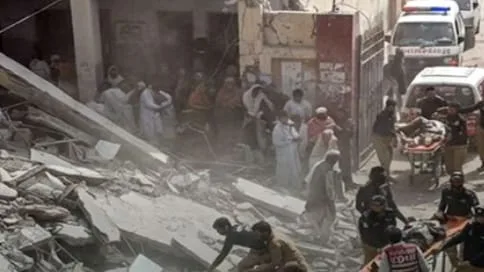
France arrests 166 as nationwide protests and clashes erupt over living …
French authorities arrested 166 individuals nationwide as student protests over school conditions merged with trade union demands, sparking violent clashes.
- Headline: France arrests 166 as nationwide protests and clashes erupt over living …
- Dispatch Summary: French authorities arrested 166 individuals nationwide as student protests over school conditions merged with trade union demands, sparking violent clashes.
- Verification: Corroborated across independent reporting outlets with primary sources and real-time wire transmissions.
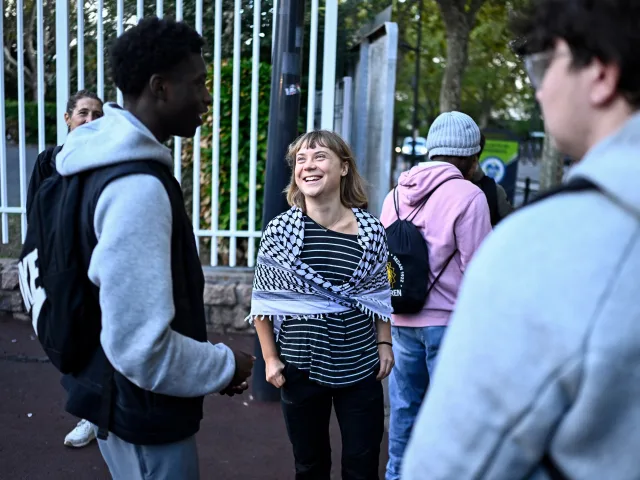
Saturday marked a volatile escalation of student-led grievances that began in mid-September over school conditions, eventually drawing in trade unions and grassroots activists. The mobilization involves high school students, trade unions, and activists, including those from the "yellow vest" movement, protesting issues including rising living costs. What started as local school blockades has transformed into a series of demonstrations across France.
French President Emmanuel Macron has called for calm. Addressing the protests from Brussels, Macron stated, There is a constitutional right to protest and to express oneself, and I have always been vigilant to ensure that this right is fully respected. However, with this right comes the obligation of respect. Respect for people, respect for property, and thus the obligation not to insult or destroy.
He described as unacceptable
the possible presence of people who are there solely to cause harm and provoke unrest.
How did school blockades become a nationwide uprising?
The unrest ignited on September 21 at a high school in a Paris suburb, where students protested against understaffing and a lack of resources. When demands were met and extra staff were deployed, demonstrators mobilized throughout Paris and across the country. High school students, who have been protesting since mid-September, urged supporters to join them in demanding better conditions.
The situation intensified as police tactics met with backlash. Interior Minister Laurent Nuñez suspended the use of a certain type of police stun grenade against young demonstrators after a fifteen-year-old lost his hand.
Who is joining the protests and why now?
By Saturday, the student movement was joined by major labor unions like the CGT, which is calling for higher wages and pensions, lower prices, and the protection of public services that meet people’s needs.
Social media campaigns also called for a revival of the yellow vest movement, which emerged in 2018 as a reaction to social injustice.
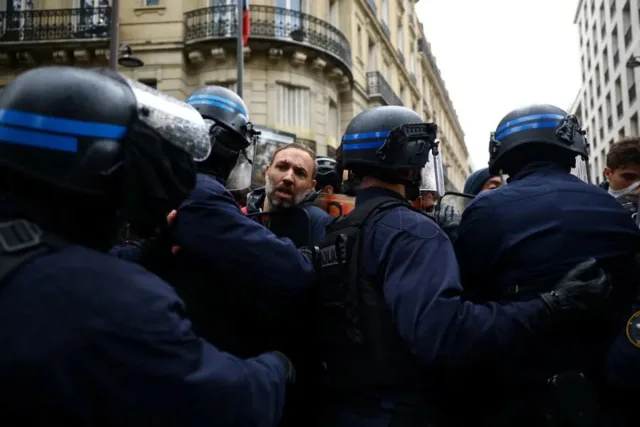
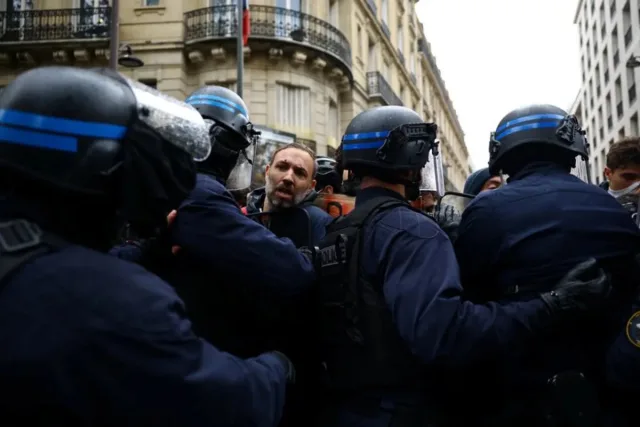
The demonstrations arrived with force on Saturday. Interior Minister Laurent Nuñez's office reported 140 protest actions outside the Paris region by midday, involving over 30,000 people. Authorities made at least 166 arrests nationwide as of noon. In Paris, police used tear gas and water cannons to disperse violent groups. Violence erupted in other hubs: in Lyon, a tourist office was attacked and set on fire, while in Marseille, shops and a municipal police station were damaged.
The unrest is not confined to France. Protests are spreading throughout Europe, including Spain, Italy, Albania, and Belgium, with demonstrators’ demands including more affordable housing and lower living costs.
How is the government attempting to balance the budget and public anger?
The political stakes are high as political parties position themselves. The far-left La France Insoumise party has backed the student movement and is expected to show up at demonstrations in support of the protesters and their demands.
What do authorities and critics say about the escalating violence?
The Paris Police Prefecture, the body that oversees the Paris Police Force, defended the actions of its officers and criticized hostile
demonstrators. The supervising unit stated on social media, We do not back down in the face of rioters and those who’ve come to attack law enforcement.
Many metro stations were closed Saturday at the request of the police, including those around the Champs-Élysées, as well as those near the presidential palace, parliament, and government offices.