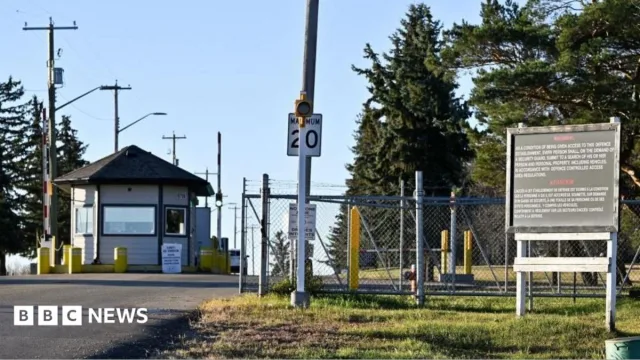
Fifth Canadian Soldier Dies From Injuries Sustained in CFB Wainwright Fire
Private William Douglas Dal Bianco has died from injuries sustained in the October CFB Wainwright grass fire, bringing the military death toll to five.
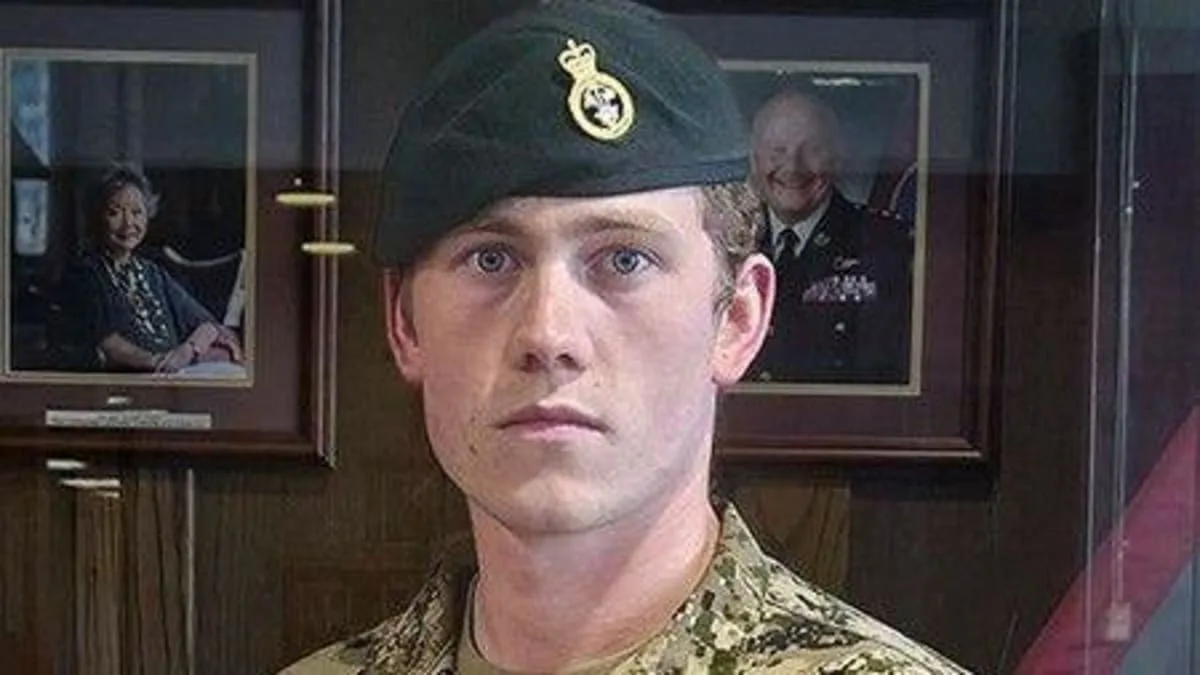
Canadians are holding Private Dal Bianco's loved ones, and all those still grieving in the wake of this terrible tragedy, in our hearts.
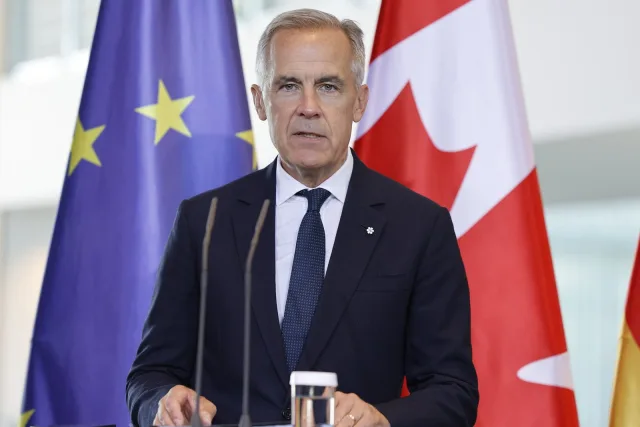
Prime Minister Mark Carney, via AOL and BBC News
That tribute from Prime Minister Mark Carney follows the death of Private William Douglas Dal Bianco, who passed away on Friday while receiving medical care in Ontario. His death brings the toll to five soldiers killed following a wind-driven grass fire that swept through a military training area at Canadian Forces Base Wainwright in Alberta. The disaster unfolded on October 17 during Exercise Apollo Shooter, when members of the 1 Canadian Mechanized Brigade Group from the 3rd Battalion, Princess Patricia’s Canadian Light Infantry, were conducting live-fire training.
The tragedy immediately impacts dozens of families, military personnel, and medical facilities across the country. According to the Canadian Armed Forces casualty summary, 38 military personnel had been injured in total during the incident. While 14 of those injured soldiers had been released as of Saturday, 24 military personnel remain in hospital receiving treatment.
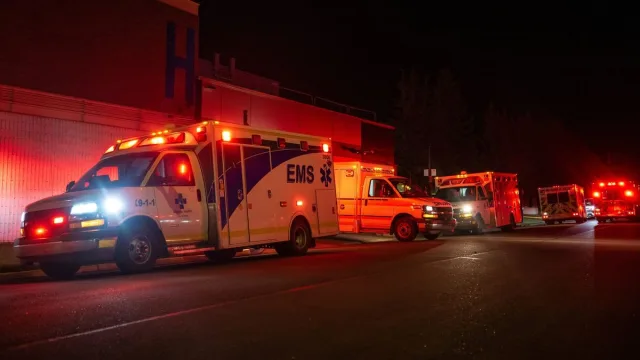
Nearby hospitals became inundated by injured personnel and staff on the night of the fire as firefighters battled the flames through the night. The National Defence casualty summary distinguishes surviving injured personnel from the fatalities, though the November 14 statement did not provide individual medical assessments or name the specific medical facilities treating the patients.
The Canadian Armed Forces have deployed support networks for those affected, including the Family Information Line and the Canadian Forces Member Assistance Program, which operates around the clock. Prime Minister Mark Carney described the incident as one of the worst peacetime tragedies for Canada's military on domestic soil, while Defence Minister David McGuinty pledged ongoing support for the families and the armed forces community.
How the Training Exercise Turned Fatal
The disaster began at approximately 4 p.m. Mountain Daylight Time on October 17 at the base southeast of Edmonton. About 84 soldiers from the 3rd Battalion, Princess Patricia’s Canadian Light Infantry, were conducting attack training and live-fire exercises on a grenade launcher range when the fire ignited. High wind speeds caught the flames, allowing the grass fire to grow and spread very rapidly across the military training area, overtaking the unit’s administrative area and taking many on the base by surprise.
Military officials stated at the time that the fire moved across a kilometre in a matter of seconds. An initial investigation indicated that the fire was likely sparked by a grenade launcher being fired on the base's grenade range. Compounding the danger, firefighters on the base had known about the fire but could not tackle it initially because it was in a danger area that could contain unspent explosives.
Four soldiers were killed initially in the disaster. They were identified as Pvt. Shaun Farrell, 23, of Prince Albert, Saskatchewan; Pvt. Aidan Goulding, 23, of North Vancouver, British Columbia; Pvt. Hayden Lykkemark, 19, of Langley, British Columbia; and Sgt. Morgan Wong, 26, of Edmonton. Private William Douglas Dal Bianco, also of the 3rd Battalion, Princess Patricia’s Canadian Light Infantry, fought his injuries before passing away on November 13 in Ontario.
Senior military leadership expressed profound grief over the mounting casualties. Chief of the Defence Staff Gen. Jennie Carignan stated that the nation's armed forces were heartbroken by the loss of Dal Bianco, promising to honour his dedicated service. Canadian Army commander Lieutenant General Michael Wright and Major General Wade Rutland also extended condolences to the families and colleagues of everyone lost and injured in the fire.
Unresolved Questions and Investigations
While the latest military release updates the casualty figures, several critical aspects of芽 the emergency response remain unverified by official findings. The National Defence statement issued on November 14 did not establish the precise sequence of the emergency response, nor did it detail how evacuation decisions were made or what specific warnings personnel received before the flames overtook them. Official statements have not assigned direct responsibility for the deaths.
Accountability and preventative measures now rest on two separate tracks of inquiry. Military police are currently investigating the fire, while a separate military board of inquiry will examine the broader circumstances of the tragedy and recommend measures to prevent similar incidents in the future. Prime Minister Mark Carney assured reporters last month that the government would secure answers regarding the cause of the disaster as expeditiously and transparently as necessary.
That leaves the military leadership facing intense scrutiny, even as they manage the immediate fallout of a 5-soldier death toll that has left the nation's armed forces grieving in peacetime.