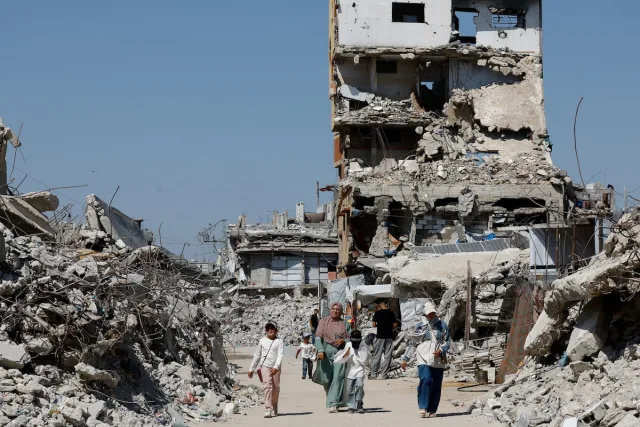
Building collapse in Gaza kills at least 19 people, and other Mideast de…
A partially destroyed building housing displaced families in Gaza City collapsed, killing at least 19 people and injuring 25 amidst ongoing conflict.
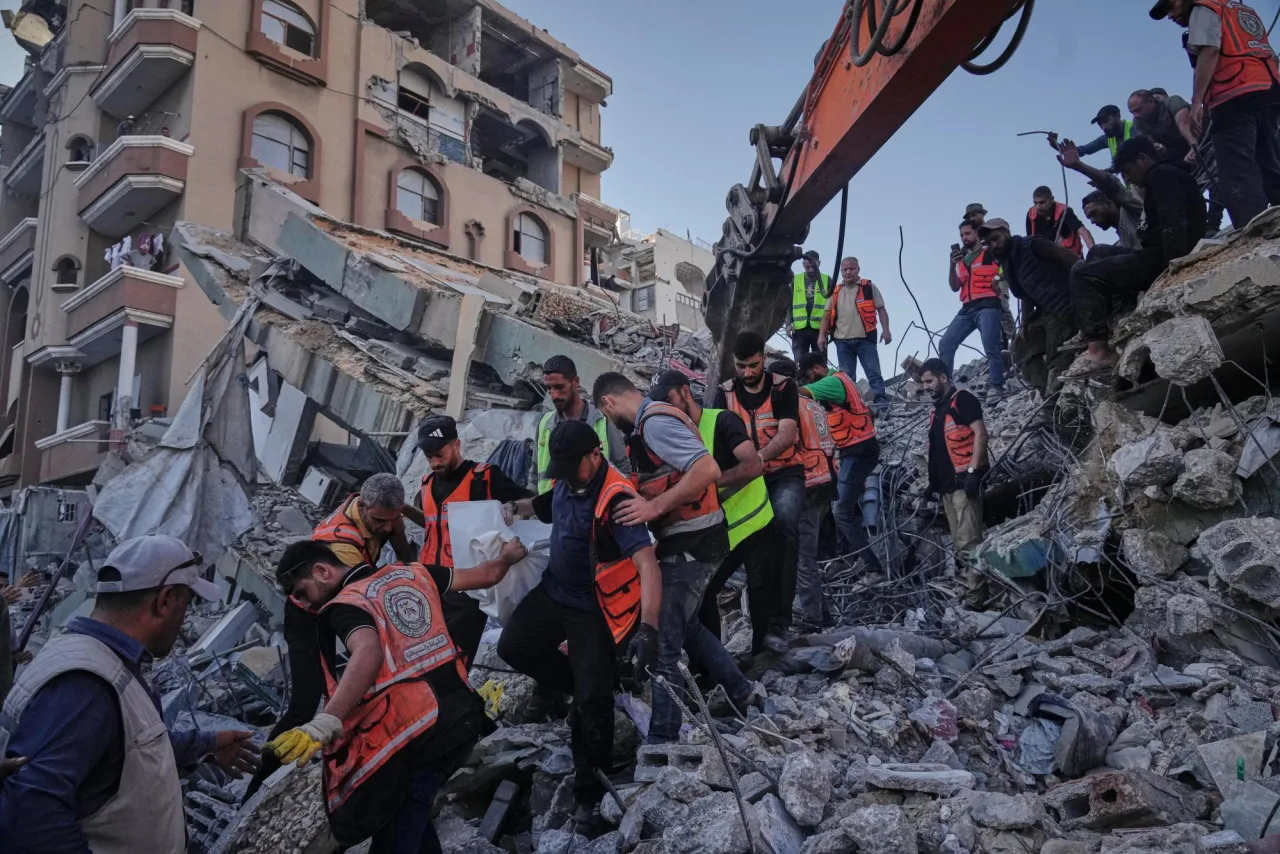
Building Collapse in Gaza Kills at Least 19, Traps Dozens in Rubble
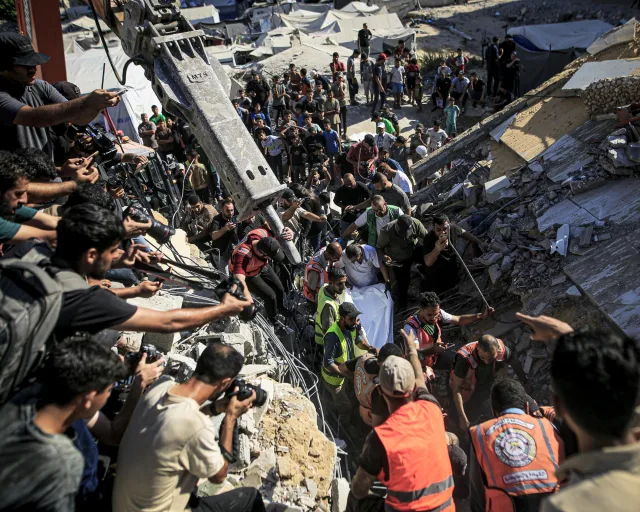
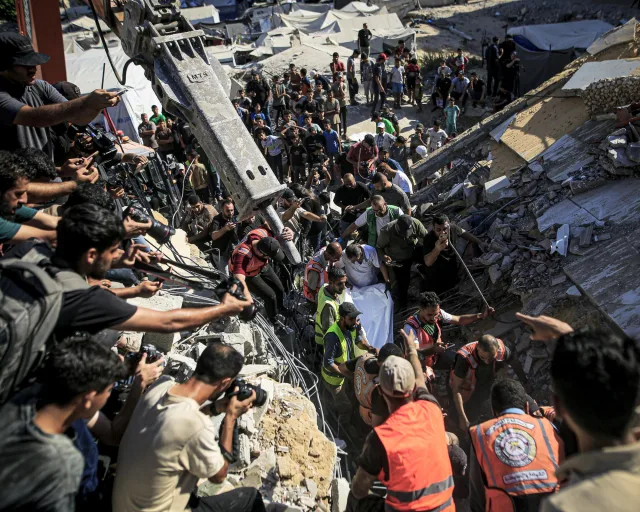
A war-damaged building in Gaza City collapsed early Wednesday, killing at least 19 people and injuring 25, according to multiple reports. The structure, which had been partially destroyed in earlier Israeli strikes, was home to displaced families seeking shelter amid the ongoing conflict. Rescue efforts continued as crews used bulldozers and manual digging to search for survivors amid the wreckage.
The death toll varied across outlets, with some reporting 12, 16, or 19 fatalities. Zaher al-Wahidi, a spokesperson for the Gaza Health Ministry, cited 19 deaths, including at least 13 women and children. Other sources, such as the Independent and Euronews, reported 16 and 12 deaths, respectively. The discrepancy reflects the challenges of verifying casualties in a region with limited infrastructure and ongoing hostilities.
| Detail | Information |
|---|---|
| Confirmed deaths | At least 19 (Gaza Health Ministry), 16 (Independent), 12 (Euronews) |
| Injured | 25 (Boston Herald), 14 (Independent) |
| People trapped | Up to 100 (Chicago Tribune), 40–50 (U.N. coordinator) |
| Building damage | Partially destroyed in Israeli strikes; unstable structure prior to collapse |
Unstable Structure and Desperate Living Conditions
The collapsed building, located in the Tal al-Hawa area of western Gaza City, had been damaged in earlier Israeli strikes and was already cracked when displaced families moved in. Civil defense officials stated that residents were aware of the risks but had no viable alternatives. “The lack of options and alternatives left them with no other choice,” said Aboud Majdalawi, a rescuer with Gaza’s civil defense force.
Approximately 100 people, including 50 children, were living in the structure, according to Ramiz Alakbarov, the U.N.’s humanitarian coordinator for the Palestinian territories. The building’s instability was compounded by the broader devastation in Gaza, where over 2,000 damaged structures remain inhabited. “Many families have resorted to living in partially damaged buildings to protect themselves from weather and lack of tents,” said Alessandro Mrakic, head of the U.N. Development Programme’s Gaza office.
Rescue teams faced significant challenges, with limited machinery and tools. “We are still hearing voices from under the rubble, so there is still hope to find people,” said Raed Al-Dahshan, director of Gaza City’s civil defense service. However, officials warned that the situation could worsen as winter approaches, with 400 buildings at risk of collapse.
Humanitarian Crisis and Stalled Ceasefire
The collapse occurred as a ceasefire agreement between Israel and Hamas, brokered nearly a year ago, faces continued setbacks. Despite the deal, Israeli strikes have persisted, killing at least 1,375 Palestinians since the agreement took effect. The U.N. human rights chief expressed concern that the bodies recovered so far represent only the “tip of the iceberg,” as rescuers work to unearth hundreds of victims from buildings destroyed in earlier strikes.
Israel has refused to allow reconstruction in Gaza until Hamas disarms, leaving displaced families with limited options. “All of Gaza’s roughly 2 million people now live in a stretch of land that makes up less than half of the territory,” said the Chicago Tribune. “They remain dependent on aid and are surrounded by Israeli troops who carry out strikes or attacks on a near-daily basis.”
The Gaza Health Ministry reported that the nearly three-year conflict has killed more than 73,789 Palestinians, with women and children comprising around half of the casualties. However, the ministry does not distinguish between civilians and militants in its records.
Broadening Regional Tensions
The Gaza collapse coincided with other developments in the Mideast, including Saudi Arabia’s interception of a drone near Mecca. The kingdom’s military stated it destroyed the drone, which it claimed was heading toward the holy city, a move described as a “red line” for security. The incident drew condemnation from Islamic groups, though Iran-backed Houthis in Yemen denied involvement.
Meanwhile, oil flows through the Strait of Hormuz have partially recovered, with tankers using a southern route near Oman under U.S. guidance. However, Saudi Arabia’s East-West pipeline was damaged by a drone attack last week, potentially disrupting exports. The situation highlights the region’s fragile stability amid ongoing conflicts between Iran, the U.S., and their allies.
Frequently Asked Questions
What is the confirmed death toll from the Gaza building collapse?
Reports vary, with the Gaza Health Ministry citing at least 19 deaths, while other outlets like the Independent and Euronews report 16 and 12 deaths, respectively. The discrepancy reflects the challenges of verifying casualties in a conflict zone.
Why did the building collapse, and what are the broader implications?
The structure, damaged by prior Israeli strikes, was unstable and inhabited by displaced families with few shelter options. The incident underscores the humanitarian crisis in Gaza, where over 2,000 damaged buildings remain occupied. It also highlights the stalled progress of a ceasefire agreement that has not halted military operations or reconstruction efforts.
How has the conflict impacted regional oil routes?
Oil flows through the Strait of Hormuz have partially recovered, with tankers using a southern route near Oman under U.S. guidance. However, a recent drone attack on Saudi Arabia’s East-West pipeline has disrupted exports, raising concerns about supply chain stability in the region.
The collapse in Gaza has intensified calls for urgent humanitarian aid and a resolution to the conflict. As rescue efforts continue, the international community faces mounting pressure to address the dire conditions facing Palestinians, even as broader regional tensions persist.
Dateline Wire is dedicated to independent, evidence-backed reporting. This briefing was synthesized from primary source reporting, corroborated across independent newsrooms, and verified against our Editorial Standards.