Joanna Wietrzyk forfeits Hyrox win after soiling herself in Beijing race
Joanna Wietrzyk retroactively withdrew from her Beijing victory and apologized after continuing the race despite an incontinence incident. Hyrox is updating its safety rules.
- Headline: Joanna Wietrzyk forfeits Hyrox win after soiling herself in Beijing race
- Dispatch Summary: Joanna Wietrzyk retroactively withdrew from her Beijing victory and apologized after continuing the race despite an incontinence incident. Hyrox is updating its safety rules.
- Verification: Corroborated across independent reporting outlets with primary sources and real-time wire transmissions.
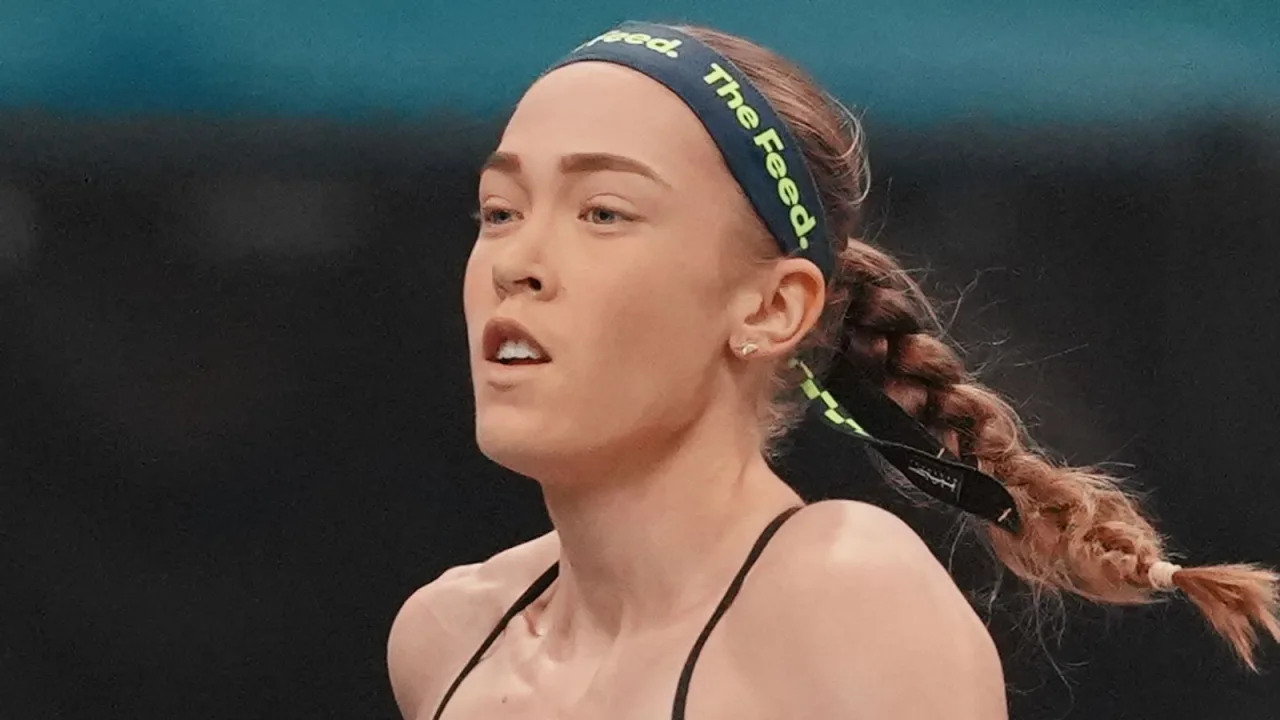
Australian Hyrox athlete Joanna Wietrzyk faced widespread criticism after soiling herself during a race in Beijing in September 2026, continuing the competition despite the incident before later apologizing and forfeiting her win. The event, part of the global fitness competition Hyrox, which combines running and high-intensity workouts, drew attention for both the athlete’s decision to persist and the organizers’ handling of the situation.
Incident and Immediate Aftermath
Wietrzyk, who was described as a world record holder in some reports, competed in the Beijing event on Saturday, September 17, 2026, during which she experienced sudden fecal incontinence. Footage of the incident, which showed her continuing the race while using shared equipment, circulated on social media, prompting public backlash. In a statement posted on Instagram, Wietrzyk expressed remorse, stating, “I know my actions had an impact beyond myself, and I am genuinely sorry to everyone who was affected.”
She admitted she should have “stepped off the track” and acknowledged that her decision to continue caused “discomfort and disruption.” Wietrzyk retroactively withdrew from the race, forfeiting the points she had earned. “I take responsibility for my decision to continue and am deeply sorry for the discomfort and disruption it caused,” she wrote. The incident occurred during a Hyrox event, which alternates between running a kilometre and completing functional workout stations, including sled pushes, burpee jumps, and sandbag lunges.
Hyrox’s Response and Protocol Revisions
Hyrox, founded in Germany in 2017, faced scrutiny over its handling of the situation. The organization issued a statement acknowledging “unforeseen circumstances” that led to “blurred” application of biocontamination protocols. Co-founder Moritz Fürste apologized for the “mistake” of not intervening during the race, stating, “It is my job to foresee these potential incidents—and I did not.”
Following the backlash, Hyrox announced updates to its rules, including a provision allowing race directors to withdraw athletes “on medical grounds” if their bodily fluids pose a risk to themselves or others. Previously, competitors were penalized for actions like spitting or littering, but not for medical emergencies. The revised guidelines aim to address gaps in the existing framework, which some critics called a “double standard.”
Hyrox also pledged to “improve event processes” to prevent similar incidents, emphasizing that “there is no place in our community for threats of violence or encouragement to harm an athlete.” The organization faced pressure after online harassment targeted Wietrzyk, with some users calling for her exclusion from future events.
Context of Hyrox’s Global Expansion
Hyrox, which debuted in mainland China in late 2024, has grown into a global phenomenon, with events held in multiple countries. The Beijing race marked one of the sport’s earliest major competitions in the region, drawing participants and spectators from across Asia. The incident has raised questions about the sport’s adaptability to diverse logistical challenges, particularly in high-stakes environments where hygiene and athlete welfare are critical.
Wietrzyk’s case has also sparked broader discussions about the expectations placed on athletes. In her statement, she reflected on the pressure to “prioritize racing over personal well-being,” writing, “There is more to life than racing and knowing when it is right to step away.” Her apology and withdrawal were seen as a step toward reconciling competitive ambition with ethical responsibility.
| Detail | Information |
|---|---|
| Event | Hyrox race in Beijing, September 17, 2026 |
| Participant | Joanna Wietrzyk (Australian athlete) |
| Incident | Sudden fecal incontinence during race; continued competition |
| Outcome | Wietrzyk forfeited win, apologized publicly, and withdrew from race |
| Hyrox Response | Issued apology, revised rules to address biocontamination risks |
Frequently Asked Questions
Why did Joanna Wietrzyk continue the race after soiling herself?
Wietrzyk stated she felt “completely fit and healthy” at the start of the race and had “no reason to expect any illness.” She later admitted she should have “stepped off the track” but prioritized completing the event.
What happened to her win in the Hyrox race?
Wietrzyk retroactively withdrew from the race and forfeited the points she earned. She publicly apologized to competitors, spectators, and Hyrox organizers for the incident.
What changes is Hyrox making to its protocols?
Hyrox introduced a rule allowing race directors to withdraw athletes on medical grounds if their bodily fluids pose a contamination risk. The organization also pledged to improve event processes and address gaps in previous guidelines.
The incident underscores the challenges of balancing athletic competition with public health and ethical considerations. As Hyrox continues to expand, the organization’s response to this controversy will likely shape its reputation in markets like China, where the sport is still emerging. For Wietrzyk, the fallout highlights the personal and professional risks of navigating high-pressure environments, even as she seeks to reconcile her actions with her values.
How significant is this wire dispatch?
Cast your anonymous vote to register reader consensus across journalism and intelligence sectors.
Dateline Wire is dedicated to independent, evidence-backed reporting. This briefing was synthesized from primary source reporting, corroborated across independent newsrooms, and verified against our Editorial Standards.