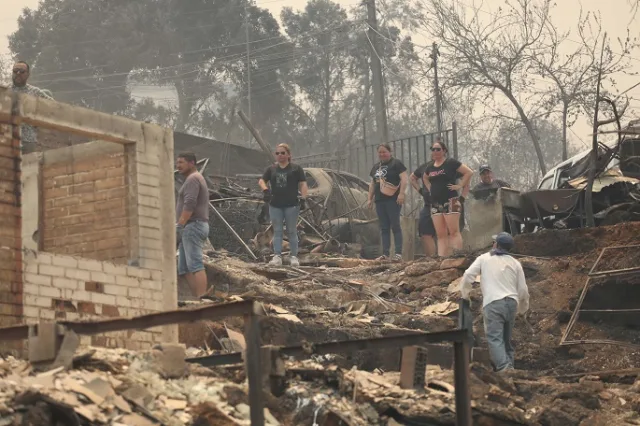
Houthi attacks on Saudi Arabia wound 73 people and spark oil facility fires
Coordinated Houthi missile and drone strikes across four Saudi Arabian cities have wounded 73 people and ignited fires at critical oil facilities.
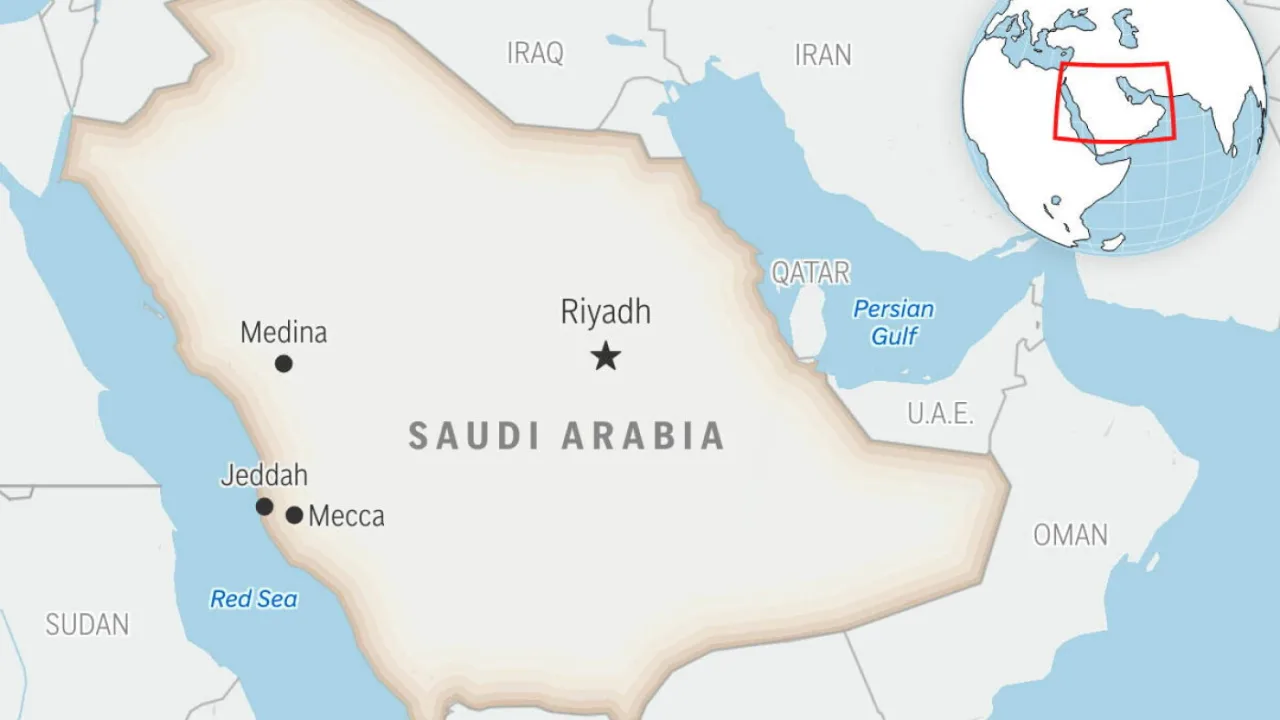
The Houthi rebels in Yemen launched a series of attacks on Saudi Arabia on Tuesday, wounding 73 people and setting fire to oil facilities in the kingdom’s southern region. The strikes, which targeted civilian and economic infrastructure, represent a major escalation in the conflict between the Iran-backed Houthis and the Saudi-led coalition, which has been battling in Yemen for over a decade.
Houthi Attacks Target Saudi Cities, Spark Oil Facility Fires
The attacks occurred in the Saudi cities of Abha, Jazan, Najran, and Khamis Mushait, according to Maj. Gen. Turki al-Malki, a spokesperson for the Saudi-led coalition. The Houthis claimed responsibility, stating they used ballistic missiles and drones to strike oil and economic facilities, as well as an air base in southern Saudi Arabia. The group also targeted Aramco facilities in Najran and Abha, as well as King Khalid Air Base in Khamis Mushait. Video: Saudi Arabia says Houthi attacks hit energy sites and wound 73 — Al Jazeera English (YouTube)
The assaults ignited fires at several oil facilities and utilities, prompting the Saudi Energy Ministry to temporarily suspend operations at the affected sites. The southern region, which includes a 400,000-barrel-per-day refinery in Jazan, is a critical hub for the kingdom’s energy infrastructure. Firefighters were deployed to combat the blazes, though no details on the extent of the damage were immediately available.
Detail
Information
Number of Wounded
73 people, including women and children
Attacked Cities
Abha, Jazan, Najran, Khamis Mushait
Targeted Facilities
Oil refineries, Aramco sites, King Khalid Air Base
Attack Methods
Ballistic missiles, drones, and explosives
Saudi Condemns Attacks as Violation of Sovereignty
Maj. Gen. Turki al-Malki described the attacks as a "serious escalation" and a "flagrant violation of the kingdom's sovereignty." He vowed that the Saudi-led coalition would take "all necessary operational measures to deter the terrorist Houthi militia with utmost resolve." The coalition has been engaged in a protracted conflict with the Houthis since 2015, following their takeover of Sanaa and the ousting of the Yemeni government.
The Houthis, who control much of northern Yemen, framed the attacks as retaliation for recent Saudi military actions in the country. In a prerecorded video statement, Brig. Gen. Yahya Saree, the rebels’ military spokesman, accused Saudi Arabia of "committing crimes and massacres against the Yemeni people" and warned that "every aggression against our country and people will be met with a firm response."
Context of Escalating Conflict in Yemen
The attacks come amid a breakdown of a 2022 truce that had largely halted hostilities between the Houthis and the Saudi-led coalition. The ceasefire collapsed after the Houthis attempted to fly a plane from Tehran to Sanaa, prompting a coalition airstrike on Sanaa airport’s runway. In response, the Houthis launched missile and drone attacks on Saudi Arabia and imposed a blockade on Saudi shipping in the Red Sea.
The conflict has displaced over 18,500 people in Yemen’s Taiz and Hodeida provinces, according to the International Organization for Migration. Abdusattor Esoev, IOM’s Yemen Chief of Mission, reported that displaced families arrived with "nothing: no shelter, no food, no way to know if it’s safe to go back." The war, which began in 2014, has killed at least 150,000 people and pushed the country to the brink of famine, per U.N. estimates.
Broader Regional Implications
The attacks risk further destabilizing the Middle East, particularly as tensions between Iran and the U.S. intensify. The Houthis, backed by Iran, have repeatedly targeted Saudi oil infrastructure, while the U.S. has been supporting the Saudi-led coalition. The conflict has also disrupted shipping through the Bab al-Mandeb strait and the Strait of Hormuz, critical routes for global oil trade.
Iran has announced plans to establish a "maritime exclusion zone" in the Persian Gulf, which could further complicate oil shipments. Global oil prices have already risen due to the conflict, with Brent crude reaching over $99 a barrel. The U.S. has been working to ensure the flow of oil through the Strait of Hormuz, while Iran continues to threaten U.S. naval forces in the region.
Frequently Asked Questions
How many people were wounded in the Houthi attacks on Saudi Arabia?
According to Saudi authorities, the attacks wounded 73 people, including women and children. Some reports cited "more than 70" injured, but the exact number is confirmed as 73.
What were the targets of the Houthi attacks?
The Houthis attacked oil facilities, economic infrastructure, and an air base in the Saudi cities of Abha, Jazan, Najran, and Khamis Mushait. Key targets included Aramco facilities and a major refinery in Jazan.
What is the broader impact of these attacks on the region?
The attacks threaten to disrupt global oil supplies by targeting critical infrastructure in Saudi Arabia. They also risk escalating tensions between Iran and the U.S., as well as destabilizing the already fragile situation in Yemen, where the conflict has displaced thousands and pushed the population to the brink of famine.
The next critical development will be the Saudi-led coalition’s response to the attacks, which could include further military actions or diplomatic efforts to de-escalate the crisis. Meanwhile, the Houthis have signaled their intent to continue targeting Saudi infrastructure, setting the stage for prolonged conflict in the region.
Dateline Wire is dedicated to independent, evidence-backed reporting. This briefing was synthesized from primary source reporting, corroborated across independent newsrooms, and verified against our Editorial Standards.