US imposes sweeping sanctions on International Criminal Court
The Trump administration has enacted sweeping financial sanctions against the International Criminal Court, sparking a severe diplomatic crisis with European allies.
- Headline: US imposes sweeping sanctions on International Criminal Court
- Dispatch Summary: The Trump administration has enacted sweeping financial sanctions against the International Criminal Court, sparking a severe diplomatic crisis with European allies.
- Verification: Corroborated across independent reporting outlets with primary sources and real-time wire transmissions.
US imposes sweeping sanctions on International Criminal Court
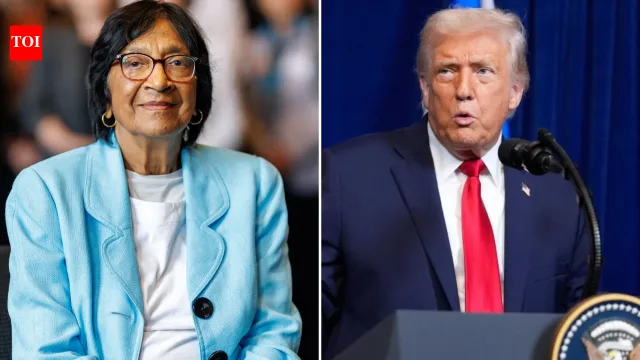
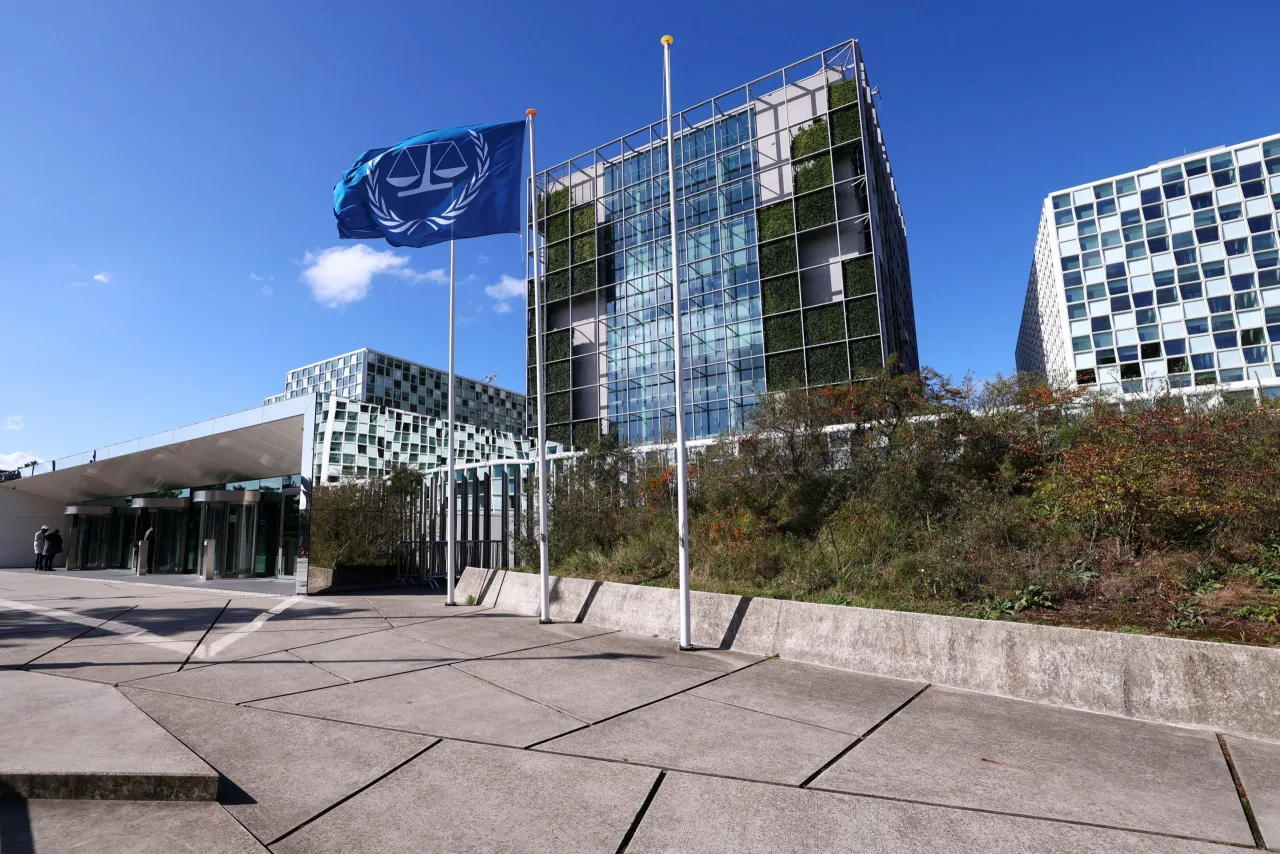
Either the ICC will end its threats, or we will end the ICC, US Secretary of State Marco Rubio declared on Friday as the Trump administration announced sweeping new financial sanctions directly targeting the International Criminal Court. The escalation, which puts Washington on a diplomatic collision course with European allies, arrives in the shadow of deepening grievances over the tribunal’s scrutiny of American and Israeli actions. Hours before the announcement, former ICC judge Navanethem Navi Pillay was awarded the 2026 Nobel Peace Prize. The timing underscores a deepening rift between the White House and international judicial bodies, leaving the tribunal facing what international law experts describe as its most severe existential test.
The newly unveiled measures go far beyond previous US actions, which had targeted individual judges, prosecutors, and supportive human rights groups. Washington’s latest move blocks all property and property interests held by the court in US jurisdictions and bans US entities from making contributions or providing funds, goods, or services to the tribunal. The Treasury Department announced an initial six-month grace period alongside temporary exemptions allowing certain transactions involving telecommunications, software, pension payments, and detainees. Rubio stated that these provisions were structured to grant the court and its 125 member states an opportunity to address US concerns, warning that the measures would be adjusted if those demands were not met. He also called on US allies that are ICC signatories to rein in the institution.
That leaves the tribunal with a complex logistical challenge to maintain operations for its approximately 900 staff members. William Schabas, a professor of international law at Middlesex University in London, told Al Jazeera that the court had been preparing for the eventuality for over a year. According to Schabas, the institution has been developing a contingency plan by migrating US-made software to European alternatives and ending relationships with companies such as the French insurer Axa that conduct business in the United States. Nevertheless, Mark Kersten, an international law expert and professor at the University of the Fraser Valley in British Columbia, Canada, noted that targeting the entire entity represents the worst-case scenario feared by advocates since Trump took office for his second term in January last year. The sanctions threaten the network of local organizations and fact-finders upon which the tribunal relies to build its cases.
Established in 2002 by the Rome Statute, the International Criminal Court is a permanent tribunal mandated to prosecute individuals for genocide, crimes against humanity, and war crimes. Neither the United States nor Israel are parties to the founding treaty, though the court asserts jurisdiction over crimes committed on the territory of its member states.
Defiance and Diplomatic Fallout
The court and its defenders offered immediate and sharp rebukes to the American action. In a formal statement, the tribunal denounced the measures as an assault on the rule of law and on the very foundations of the international legal order. It is an attempt to obstruct the course of justice and to prevent the Court from doing what it was created to do. It is an assault on the rule of law and on the very foundations of the international legal order, the statement read, adding History will judge this moment. The court urged its 125 member states to take concrete action to defend it, emphasizing that its fate now rests in the hands of the governments that created it.
Deputy Prosecutor Nazhat Shameem Khan told Reuters that the sanctions were intended to undermine international law and the work of an independent judicial institution. Our work will continue across all our situations, our investigations and our prosecutions, Khan said. Those investigations have historically included a probe into the actions of US soldiers in Afghanistan—which the court has since deprioritized—as well as ongoing scrutiny that led to arrest warrants for Israeli Prime Minister Benjamin Netanyahu and former Defence Minister Yoav Gallant for war crimes committed in Gaza. Israeli Prime Minister Benjamin Netanyahu welcomed the US decision, posting a statement on social media declaring, Thank you for your leadership.
| Actor | Stance on the ICC | Recent Action |
|---|---|---|
| US Administration | Hostile / Rejects jurisdiction | Imposed direct entity-wide financial sanctions and service bans |
| ICC Leadership | Defiant / Appeals to members | Called on 125 member states to defend the tribunal and circumvent sanctions |
| Israeli Government | Supportive of US pressure | Plaudits for Washington following arrest warrants for senior officials |
That sharp division extends to the broader membership of the tribunal. While most of Europe, Latin America, large areas of Africa, Canada, and Australia remain members, the Trump administration has urged other countries to withdraw, tying its foreign assistance assessments to their relationship with the court. These US appeals have dovetailed with existing wariness among some ICC members over criticisms of an unequal application of international law that more frequently targets offenders in the Global South. In July, Chad and Venezuela moved to withdraw from the court, following similar exits by Burkina Faso, Mali, and Niger.
The Nobel Prize and the Road Ahead
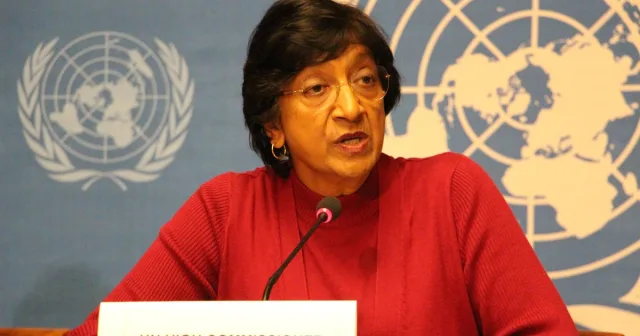
The timing of the sanctions added a layer of acute diplomatic tension tied to international accolades. Hours before Rubio’s announcement, the Nobel Peace Prize was awarded to Navi Pillay, a South African jurist, former ICC judge, and head of the 2025 UN Human Rights report that found Israel’s actions in Gaza constituted a genocide. Schabas pointed out that the prize served as a general recognition of the international institutions with which Pillay was affiliated, acting as a polite endorsement of her UN findings. The Norwegian Nobel Committee noted when announcing the prize that it comes at a time when judges and institutions of international law are under severe political attack.
The harder question is whether Europe and other member states will move past diplomatic statements to take the concrete steps required to insulate the court from US financial muscle. Kersten emphasized that the coming years will be a definitive test of support from ICC signatories, who must intervene to circumvent the restrictions if the tribunal is to survive its current financial blockade. With a six-month grace period now ticking down for companies to wind down business with the court, the immediate survival of the world's permanent war crimes tribunal depends on whether its remaining member states are willing to risk a direct clash with Washington.
Updated 1 time since publication; last update 9 October 2026, 20:24.