Saudi Arabia shuts East-West pipeline after drone attacks from Iraq
Saudi Arabia temporarily closed its East-West oil pipeline following drone attacks from Iraq, while Houthi rebels seized a strategic island in the Bab el-Mandeb Strait.
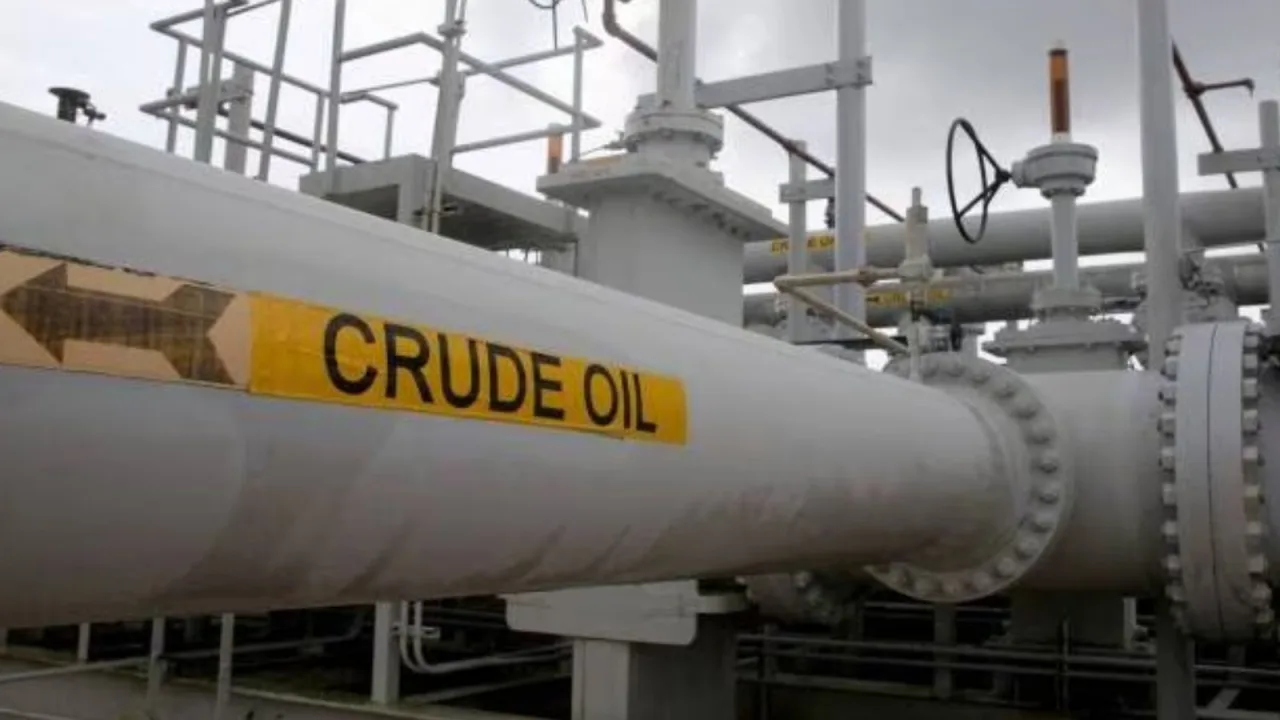
Saudi Arabia’s East-West oil pipeline, a critical artery for exporting crude to the Red Sea, was temporarily shut down on Thursday after multiple drone attacks originating from Iraq. The incident is a notable escalation in regional tensions, with the kingdom refraining from immediate retaliation to allow Iraqi authorities to address the security breach. The pipeline, built in the 1980s, has become a lifeline for Saudi Arabia as the Strait of Hormuz remains closed due to Iranian hostilities.
Saudi’s Pipeline Shutdown and Iraqi Response
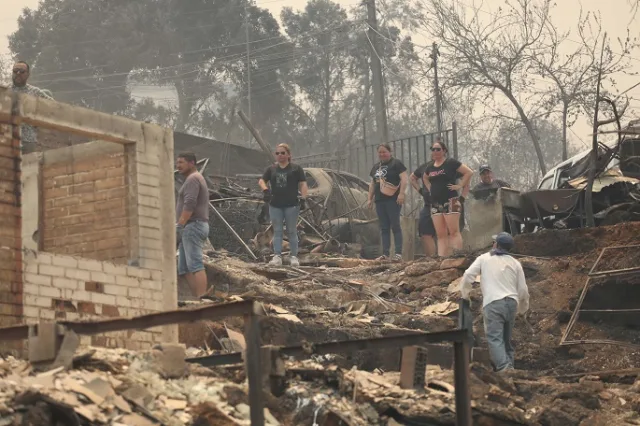
The Saudi Ministry of Energy confirmed the pipeline’s closure as a “precautionary measure” following the attacks, which targeted infrastructure in the Riyadh and Medina regions. Satellite imagery showed fire damage at pump stations, with black smoke rising from affected sites. The Saudi Foreign Ministry condemned the strikes, stating that drones “originating from Iraq” caused injuries and damage. However, it deferred retaliation at the request of the Iraqi government, which has launched an investigation into the attacks.
Iraq’s response included the dismissal of a senior military commander in Maysan province, where the drone attacks were traced. The Iraqi Prime Minister’s office announced the removal of the official after investigations linked the attacks to his command. Baghdad also condemned the assault, emphasizing its commitment to safeguarding Saudi Arabia’s security. The Gulf Cooperation Council (GCC) called the incident a “dangerous escalation” and urged Iraq to prevent its territory from being used as a launchpad for future attacks.
Houthis Seize Strategic Red Sea Island
Amid the pipeline crisis, Yemen’s Houthi rebels captured Perim Island, a small volcanic islet in the Bab el-Mandeb Strait, a vital shipping corridor connecting the Red Sea to the Indian Ocean. The seizure, confirmed by both Yemeni government officials and Houthi sources, represents the group’s largest territorial gain in years. The Houthis claimed the island as part of their ongoing campaign to disrupt Saudi Arabia’s oil exports and challenge regional stability.
Saudi Arabia retaliated by striking the airport in Mokha, a port city on the Red Sea coast that the Houthis had recently captured. However, Yemeni military officials expressed surprise at the lack of a broader air campaign, suggesting possible coordination issues with U.S. allies. The Houthis, meanwhile, vowed “escalation for escalation” against Saudi forces while asserting that maritime navigation remained safe for non-Saudi vessels.
Oil Market Volatility and Export Challenges
The pipeline shutdown has intensified concerns about global oil supplies. The East-West pipeline, which carries up to 7 million barrels per day, was instrumental in doubling Saudi Arabia’s Red Sea exports to over 5 million barrels per day by early June. With the Strait of Hormuz effectively closed, the pipeline has been critical for bypassing Iranian blockades. However, the Houthis’ growing influence in the Bab el-Mandeb Strait has forced Saudi Arabia to divert crude northward via the Suez Canal or an overland pipeline through Egypt—a longer and more costly route.
Crude prices surged above $100 a barrel this week, with analysts linking the spike to renewed regional tensions. The Houthis have also targeted Saudi vessels in the northern Red Sea, further complicating export logistics. Saudi Aramco CEO Amin Nasser noted the pipeline’s role in mitigating supply disruptions, but the attacks have underscored the kingdom’s vulnerability to asymmetric warfare.
| Detail | Information |
|---|---|
| Pipeline Capacity | 7 million barrels per day |
| Red Sea Exports (June 2026) | Over 5 million barrels per day |
| Oil Price (Post-Attack) | Surged above $100 per barrel |
| Displacement in Yemen | Over 46,000 people fled fighting in one week |
Frequently Asked Questions
Why did Saudi Arabia not retaliate against the drone attacks?
Saudi Arabia deferred retaliation at the request of the Iraqi government, which is investigating the attacks. The kingdom emphasized its commitment to supporting Iraq’s efforts to prevent cross-border strikes, while reserving the right to act if necessary.
What is the significance of the Houthis capturing Perim Island?
The island’s capture strengthens the Houthis’ control over the Bab el-Mandeb Strait, a critical shipping lane. It threatens Saudi Arabia’s ability to export oil and risks further destabilizing the region, as the group has threatened to target alternative routes like the Suez Canal.
How have oil prices been affected by recent events?
Crude prices rose above $100 per barrel as markets reacted to the pipeline attack and renewed Houthi threats. The surge reflects concerns over supply disruptions and the potential for further escalation in the Red Sea and Gulf regions.
The situation remains fluid, with Iraq’s investigation into the drone attacks and the Houthis’ next moves likely to shape the trajectory of the conflict. Saudi Arabia’s reliance on the East-West pipeline underscores its strategic importance, but the group’s growing influence in the Red Sea threatens to upend regional energy dynamics. As oil prices fluctuate and humanitarian crises worsen, the international community faces mounting pressure to address the escalating violence in Yemen and the broader Iran-Saudi rivalry.
Dateline Wire is dedicated to independent, evidence-backed reporting. This briefing was synthesized from primary source reporting, corroborated across independent newsrooms, and verified against our Editorial Standards.