Tennessee prison chief Frank Strada resigns after botched Christa Pike e…
Tennessee Department of Correction Commissioner Frank Strada has stepped down following a failed lethal injection that left inmate Christa Pike hospitalized and on a ventilator.
- Headline: Tennessee prison chief Frank Strada resigns after botched Christa Pike e…
- Dispatch Summary: Tennessee Department of Correction Commissioner Frank Strada has stepped down following a failed lethal injection that left inmate Christa Pike hospitalized and on a ventilator.
- Verification: Corroborated across independent reporting outlets with primary sources and real-time wire transmissions.
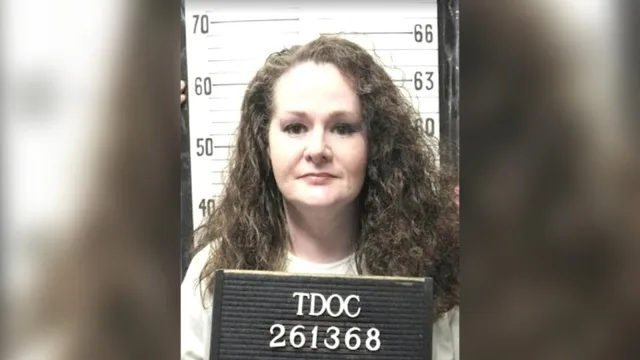
The resignation of Tennessee Department of Correction (TDOC) Commissioner Frank Strada on October 3, 2026, followed a botched execution of death row inmate Christa Pike that left her in critical condition and sparked widespread scrutiny of the state’s capital punishment procedures. Strada, who had overseen the state’s shift to pentobarbital as the sole lethal injection drug in late 2024, stepped down after the September 30 execution attempt, which failed to kill Pike despite administering two doses of the drug. The incident has raised questions about protocol adherence, medical preparedness, and the broader ethics of the death penalty.
Execution Fails, Leaving Pike in Critical Condition
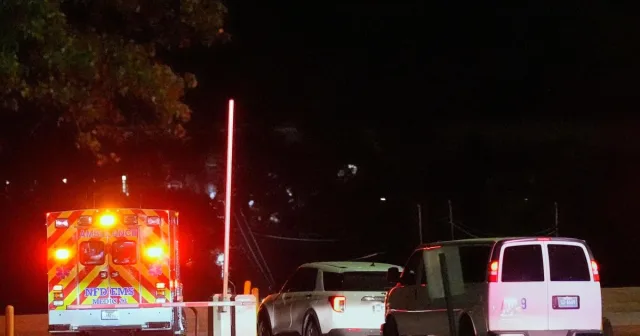
The failed execution of Pike, 50, occurred at Riverbend Maximum Security Institution in Nashville. According to court filings and witness accounts, Pike was injected with two doses of pentobarbital, a sedative used in lethal injections, but the drug did not enter her bloodstream as intended. Instead, complications with IV lines caused the substance to seep into her body tissue, leading to severe burns and swelling on her arms. Witnesses reported hearing Pike cry, whimper, and breathe heavily during the procedure. She was later transported to a hospital, where she remained unconscious, intubated, and on a ventilator as medical staff worked to remove the drug from her system.
Pike’s attorneys alleged that the execution team failed to recognize the IV lines were improperly placed, allowing the pentobarbital to enter her body instead of her veins. “At no point did any member of the execution team realize that the IV lines were not correctly placed or that the veins had blown and that the pentobarbital was, in whole or in part, entering Ms. Pike’s body,” the court filing stated. Pike’s legal team also cited her pre-existing medical conditions, including thrombocytosis (a blood-clotting disorder) and small veins, which they argued made the procedure especially risky.
Strada’s Resignation and Political Fallout
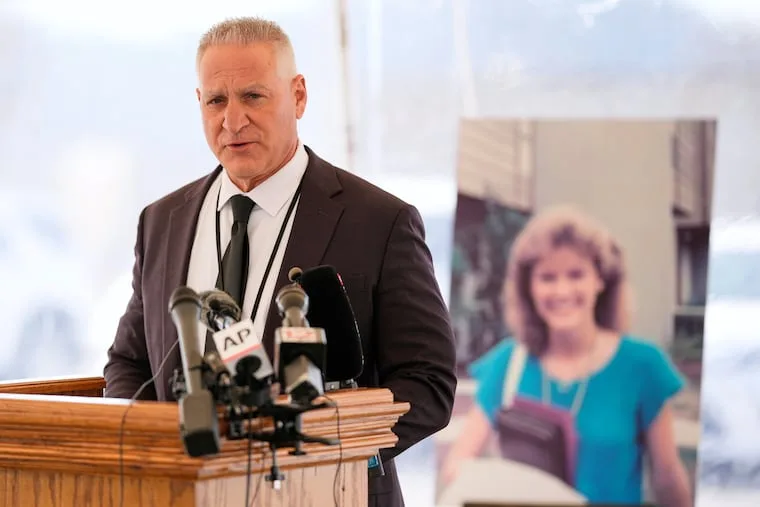
Strada announced his resignation on October 3, 2026, citing the need for an independent review to determine what went wrong. In a statement, he emphasized that TDOC personnel “carried out its responsibilities in accordance with the established protocol” but acknowledged that stepping down was “in the best interest of Tennesseans.” Governor Bill Lee accepted the resignation and ordered a third-party investigation into the execution, while halting all scheduled executions in the state for the remainder of 2026.
The decision came amid mounting pressure from both political and advocacy groups. Democratic gubernatorial candidate Jerri Green demanded Strada’s immediate removal, and major candidates across party lines confirmed he would not be retained in any future administration. Pike’s attorneys criticized the resignation as insufficient, arguing that it “does nothing to help Christa now” and that the failure reflected “a systemic failure that goes far beyond any one person.”
Strada’s tenure has drawn scrutiny for its association with prior execution issues. In Arizona, where he served as deputy director of the Department of Corrections, execution teams faced prolonged struggles to establish IV access, with one case requiring 40 minutes of attempts before resorting to invasive femoral access. State reviews during his time there uncovered protocol deviations and unverified drug procurement procedures. In Tennessee, the September 30 failure marked the second botched execution under Strada’s leadership, following the May 2026 cancellation of Tony Carruthers’ execution due to IV access issues.
Investigation and Legal Challenges
The independent review ordered by Lee aims to examine why the execution team failed to detect the compromised IV lines during Pike’s procedure. TDOC officials have not provided a detailed technical account of how staff monitored IV line integrity, and the department has not yet explained what went wrong. Pike’s attorneys filed an emergency motion to preserve evidence from the execution, arguing that the state violated her constitutional rights by subjecting her to “cruel and unusual punishment.”
The failed execution has intensified debates over the death penalty’s reliability. Pike, who was 18 when she and her boyfriend tortured and killed 19-year-old Colleen Slemmer in 1995, was the only woman on Tennessee’s death row. Her case has drawn attention to her troubled childhood, including reports of severe neglect, sexual abuse, and untreated mental illness, which her clemency petition argued warranted leniency. Governor Lee rejected the clemency request in September, but the US Supreme Court had previously lifted an 11th-hour stay of execution, allowing the procedure to proceed.
| Detail | Information |
|---|---|
| Date of execution | September 30, 2026 |
| Drug used | Pentobarbital |
| Pike’s condition post-execution | Unconscious, intubated, on ventilator |
| Number of executions in Tennessee since 2025 | Four |
| Strada’s prior role in Arizona | Deputy director of Department of Corrections |
| Previous botched executions under Strada | Two in Tennessee (2026), three in Arizona (2022–2023) |
Frequently Asked Questions
What caused the botched execution of Christa Pike?
The execution failed due to complications with IV lines that caused pentobarbital to leak into Pike’s body tissue instead of her bloodstream. Her attorneys alleged that the execution team did not detect the issue, leading to severe burns and her critical condition.
What happens next in the investigation?
Governor Bill Lee has ordered an independent, third-party review to determine the cause of the failure. The investigation will examine TDOC protocols, staff actions during the execution, and whether systemic issues contributed to the error.
Will Tennessee resume executions in 2026?
Governor Lee has halted all executions in the state for the remainder of 2026 pending the outcome of the investigation. No official timeline has been provided for resuming capital punishment procedures.
The botched execution of Christa Pike and Strada’s resignation have reignited national debates over the death penalty’s reliability and the transparency of state correctional systems. As the independent review unfolds, advocates on both sides of the issue will continue to scrutinize the findings, with potential implications for Tennessee’s future approach to capital punishment.
How significant is this wire dispatch?
Cast your anonymous vote to register reader consensus across journalism and intelligence sectors.
Dateline Wire is dedicated to independent, evidence-backed reporting. This briefing was synthesized from primary source reporting, corroborated across independent newsrooms, and verified against our Editorial Standards.