California Bans Waymo From Freeways Over Safety Hazard Concerns
California regulators have barred Waymo from operating or testing its driverless vehicles on state freeways after finding they pose a public safety hazard.
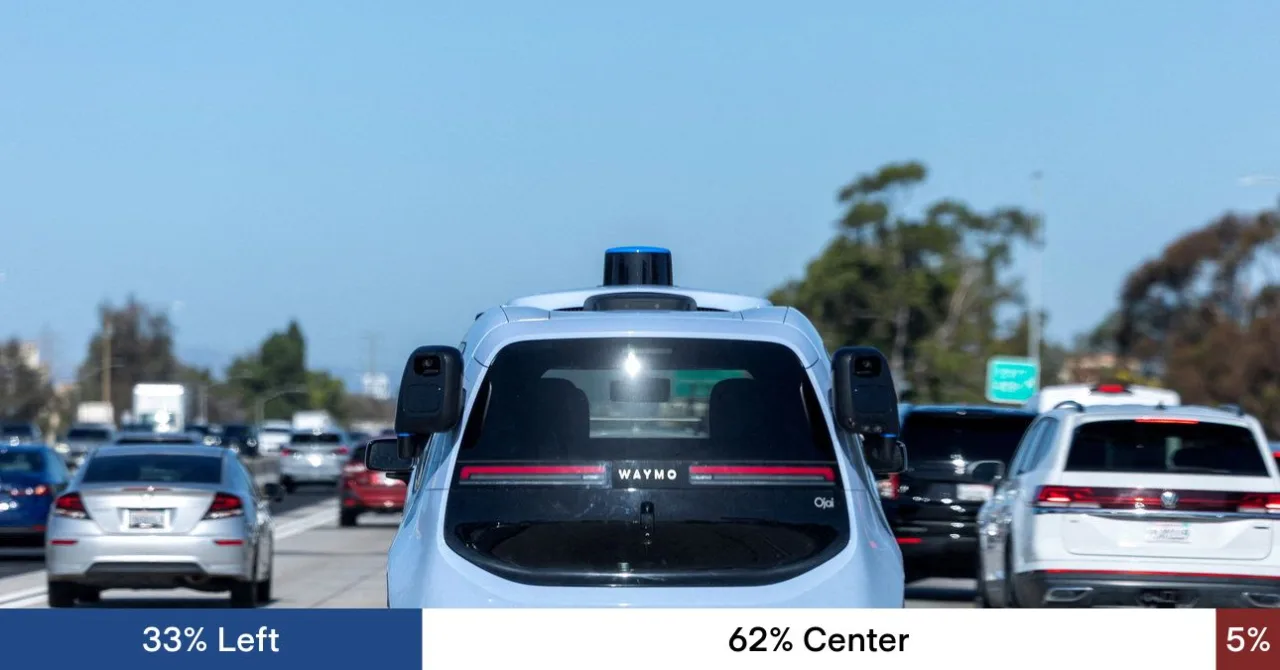
California regulators have barred Alphabet Inc.’s Waymo from operating or testing its driverless vehicles on all state freeways after officials determined the robotaxis pose an imminent hazard to public safety. Behind the sweeping restriction lies a specific technology failure: the autonomous vehicles repeatedly bypassed highway patrol officers and drove straight into active construction zones where workers and heavy equipment were present.
The sudden crackdown by the California Department of Motor Vehicles brings an abrupt halt to a major expansion that saw the company’s robotaxis spread onto freeways and interstates around San Francisco, Los Angeles, and Phoenix last year. The order applies directly to state highways, though Waymo insists its surface street operations serving over half a million trips each week remain completely unaffected and open to the public.
Why Did California Regulators Intervene Now?
The state’s Department of Motor Vehicles issued the ban following two distinct highway incidents in the Bay Area. On November 5, three autonomous Waymo vehicles entered an active construction closure on U.S. Route 101 near Burlingame. The very next day, a robotaxi on Highway 280 in San Francisco was captured on a widely circulated social media video attempting to drive past California Highway Patrol officers while they were actively conducting a traffic break.
Jonathan Groveman, a spokesperson for the California Department of Motor Vehicles, confirmed in a statement that the agency determined Waymo’s driverless freeway operations posed an unacceptable threat. Officials acted because of recurring incursions into zones where construction workers, vehicles, and equipment were directly in harm's way. The state confirmed that the restrictions will remain in place indefinitely until Waymo proves it has taken effective corrective actions to address these software and sensor deficiencies.
How Does This Compare to Earlier Safety Recalls?
This is not the first time state regulators have confronted the company over construction site navigation. Similar incidents occurred on May 18, when seven Waymo vehicles drove between construction cones and into closed lanes in San Francisco. That spring disruption forced Waymo to issue a safety recall with the National Highway Traffic Safety Administration in June.
In that recall filing, the company acknowledged that under certain circumstances, its vehicles might enter and drive at speed in freeway construction zones by inappropriately prioritizing the avoidance of other freeway hazards over recognizing construction boundaries. Despite those corrective actions and subsequent patches, the Department of Motor Vehicles concluded that the safety threat persisted, culminating in the current full ban across California.
What Are Company Leaders Saying and Doing?
Waymo officials emphasize that neither of the November incidents resulted in injuries or collisions. In a statement provided to reporters, a company spokesperson said they are working diligently and responsibly with the California DMV and other state officials to resume freeway operations.
Safety is at the foundation of everything we do. Following recent freeway construction zone encounters on U.S. 101 in California that did not involve any injuries or collisions, the California DMV has implemented an operating restriction on freeway operations in the state. In alignment with our safety-first principles, we have also temporarily restricted freeway operations across our other operating markets to evaluate our performance.
Waymo spokesperson via The Robot Report
As part of that broader review, the Alphabet subsidiary has voluntarily paused freeway driving across all its other operating markets, including areas in Arizona and Texas, to evaluate its performance. However, the company plans to continue limited testing on highways by placing trained autonomous specialists back into the driver's seat.
What Does This Mean for the Future of Autonomous Taxis?
The decision deals a blow to the leading self-driving vehicle operator in the United States, which currently runs commercial services in over 15 cities and holds plans to expand to 17 more locations, including international markets in London and Tokyo. Emergency vehicles, stopped school buses, and now construction zones have proven to be persistent operational hurdles since the company began deploying robotaxis in 2018.
Independent safety data also highlights regional friction. A recent ten-month review of crash reports and body-camera footage in the Phoenix metropolitan area showed that nearly half of all police-reported crashes involving Waymo vehicles ended with human drivers fleeing the scene, resulting in a hit-and-run rate per mile more than double that of the general public. With California demanding rigorous proof before lifting the bar, the central question is how long it will take for Waymo's engineers to redesign how autonomous sensors interpret dynamic emergency scenes, and whether other states will follow California's lead in restricting high-speed driverless transit.