Supreme Court asks authorities to release lawyers detained over CJP protest
The Supreme Court intervened to order the immediate release of roughly 60 advocates detained by police during protests in Delhi, challenging a sweeping security clampdown across the capital.
- Headline: Supreme Court asks authorities to release lawyers detained over CJP protest
- Dispatch Summary: The Supreme Court intervened to order the immediate release of roughly 60 advocates detained by police during protests in Delhi, challenging a sweeping security clampdown across the capital.
- Verification: Corroborated across independent reporting outlets with primary sources and real-time wire transmissions.
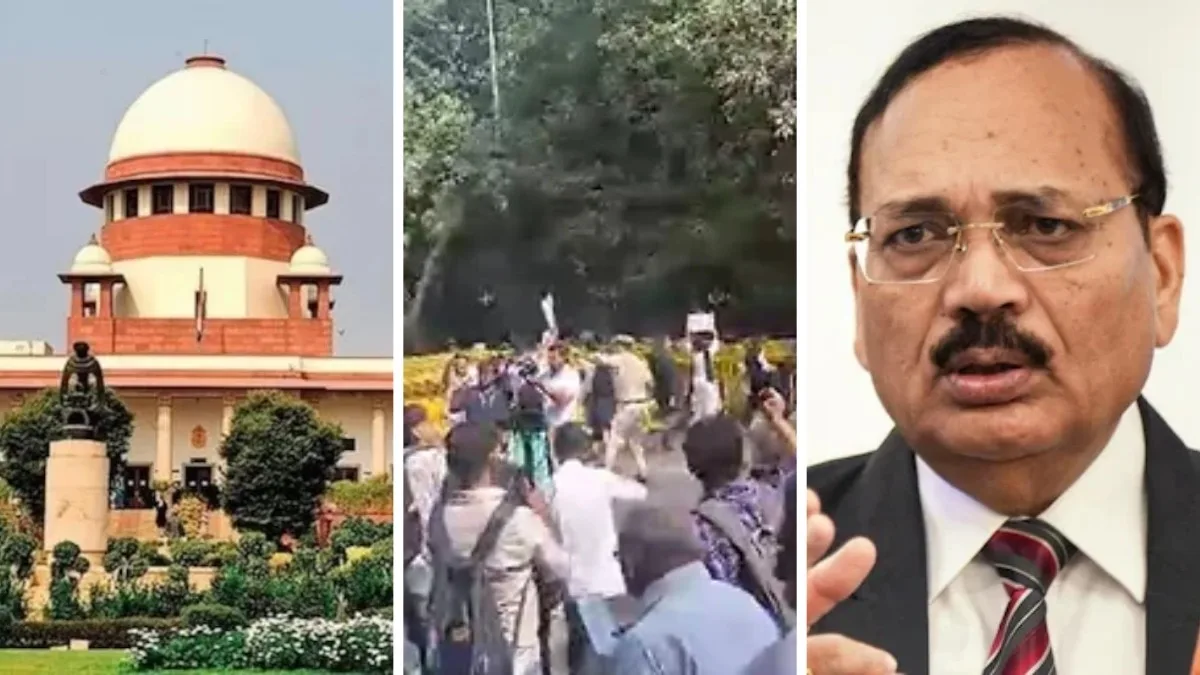
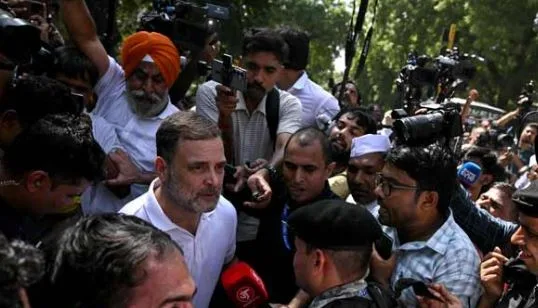
The Supreme Court intervened on Saturday to order the release of approximately 60 advocates who were detained by police while protesting near the Supreme Court premises in Delhi. The intervention came after the Supreme Court Bar Association (SCBA) urged the Chief Justice of India to take up the detentions urgently, ascertain the whereabouts and safety of the advocates, and secure the release of those held without lawful grounds. Advocate Devvrat, President of the Supreme Court Advocates on Record Association, confirmed that the Chief Justice had directed authorities to release the lawyers. The detentions unfolded amid strict prohibitory orders across the national capital as authorities moved to block a planned demonstration by the Cockroach Janta Party at Jantar Mantar demanding the resignation of Chief Election Commissioner Gyanesh Kumar over alleged electoral roll irregularities during the Special Intensive Revision.
Security Clampdown and Preemptive Detentions Across the Capital
The capital was placed under unprecedented security restrictions for Saturday, October 10, 2026, with authorities deploying around 25,000 police and paramilitary personnel alongside more than 120 companies of Central Armed Police Forces. Delhi Police denied permission for the Jantar Mantar protest, citing potential law-and-order concerns and short notice, and established 20 security zones across the New Delhi district with dedicated detention centers and stadiums converted into temporary holding facilities. Prohibitory orders under Section 163 of the Bharatiya Nagarik Suraksha Sanhita remained in force, accompanied by a 24-hour mobile internet suspension in central Delhi and the installation of over 300 audio-enabled CCTV cameras.
Public transit faced severe disruption as entry and exit gates at 45 Delhi Metro stations, including Rajiv Chowk, Central Secretariat, Mandi House, and Supreme Court, were shut down. Several trains operating to and from New Delhi and Hazrat Nizamuddin railway stations have also reportedly been cancelled. BJP National President Nitin Nabin accused the opposition of attempting to destabilize the country at the behest of foreign forces, specifically targeting Rahul Gandhi and associates of Arvind Kejriwal linked to the CJP. Meanwhile, opposition leaders condemned the measures, with DMK president MK Stalin comparing the scale of repression to the 1975-77 Emergency and Congress leader Shashi Tharoor noting the war-like deployment of checkpoints, concrete barriers, and spike strips across roads.
Leadership Intercepts and Wide-Ranging Custody Actions
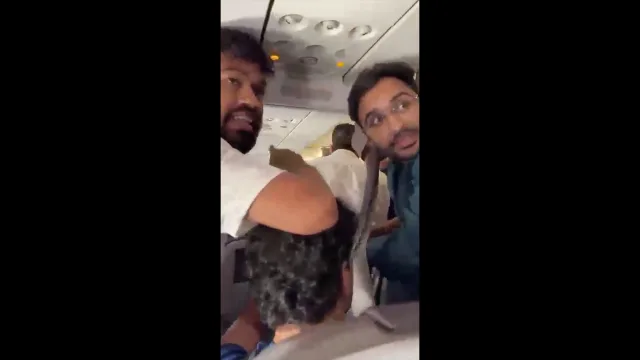
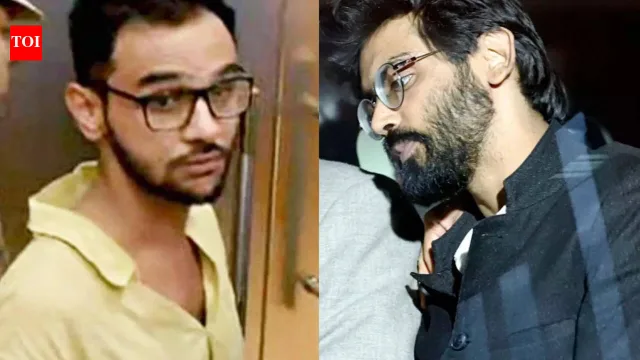
Police actions extended far beyond the Supreme Court premises, targeting key CJP organizers, political figures, journalists, and content creators before they could reach the demonstration site. CJP founder Abhijeet Dipke, along with co-convenors Saurav Das and Ashutosh Ranka, were detained directly from an aircraft at Indira Gandhi International Airport by police personnel who boarded the plane shortly after landing from Mumbai. Dipke recorded videos during the interception declaring that If you think you can stop us by threatening us with jail or trying to intimidate us with the fear of imprisonment, you are mistaken. We are ready to go to jail.
Police subsequently separated the three leaders, taking Dipke, Das, and Ranka to 3 different locations, while CJP stated that organization in-charge Ajinkya Shinde would lead the movement in their absence.
Other prominent figures taken into custody included YouTuber Dhruv Rathee from his Gurugram residence, CJP legal affairs head Ratna Singh from her home, and CPI(M) General Secretary MA Baby alongside senior leaders like Brinda Karat, MV Govindan, P.K. Sreemathy, and P. Rajeev. Several journalists and reporters from outlets including Newslaundry were also detained, with their official company phones seized.
- Around 60 advocates detained near the Supreme Court premises
- Abhijeet Dipke, Saurav Das, and Ashutosh Ranka detained onboard their flight at Delhi Airport
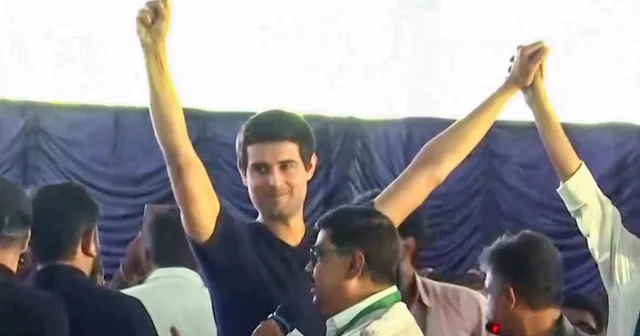
- YouTuber Dhruv Rathee detained from his Gurugram residence
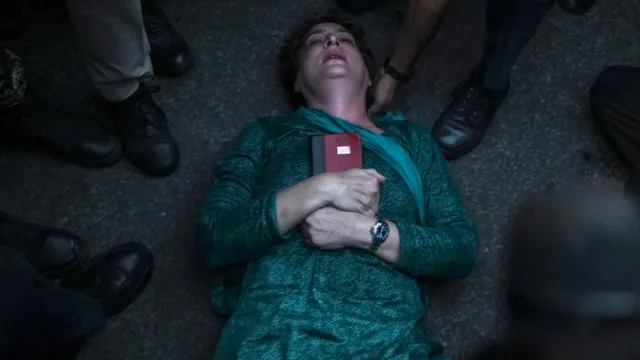
- CJP legal affairs head Ratna Singh detained outside her Delhi residence
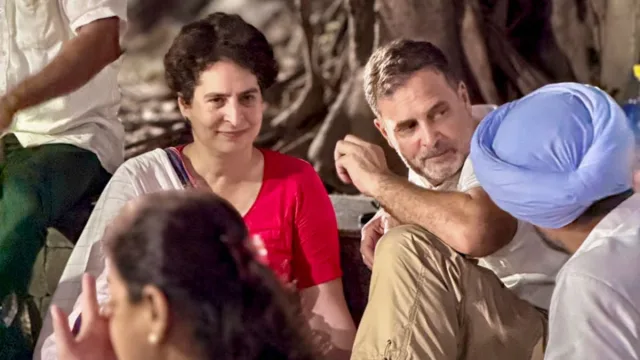
- CPM leaders including MA Baby, Brinda Karat, M.V Govindan, P.K. Sreemathy, and P. Rajeev detained
- Multiple journalists and media crew members detained while covering the events
Weighing the Official Rationale Against Civil Liberties
Authorities defended the sweeping security posture and detentions as necessary preventive steps to maintain public order, noting that over 500 people arriving in groups and nearly 50 individuals with criminal antecedents were taken into custody. Delhi Police officers deployed body cameras to record interactions and counter allegations of manhandling during enforcement. However, legal associations and opposition figures argued that the measures constituted an unconstitutional and undeclared emergency that stripped citizens of basic democratic rights. The Bombay Lawyers Association condemned the restrictions as unlawful, while the Supreme Court Bar Association pressed for accountability regarding the use of police force and demanded unhindered legal access for all detained individuals.
| Measure or Action | Official Rationale | Criticism and Response |
|---|---|---|
| Denial of Protest Permission | Preventing serious law-and-order issues and public inconvenience due to short notice | Condemned by opposition and legal bodies as suppression of peaceful democratic dissent |
| Mass Transit Closures | Managing crowd mobilization across 45 metro stations and railway hubs | Described by leaders like Shashi Tharoor as a war-like shutdown of the national capital |
| Preemptive Detentions | Preventive custody of over 500 individuals and those with criminal antecedents | Challenged by the Supreme Court, which ordered the immediate release of detained lawyers |
That leaves the administration enforcing an airtight security lockdown while the judiciary draws a firm line against the detention of officers of the court. The coming hours will test whether the Supreme Court's intervention creates a broader precedent for the hundreds of other citizens and political figures currently held across the capital's temporary detention centers.