India police detain protesters as Cockroach Party leaders are released
Indian authorities detained over 2,000 protesters and restricted transport in New Delhi as youth-led Cockroach Party leaders were released from custody.
- Headline: India police detain protesters as Cockroach Party leaders are released
- Dispatch Summary: Indian authorities detained over 2,000 protesters and restricted transport in New Delhi as youth-led Cockroach Party leaders were released from custody.
- Verification: Corroborated across independent reporting outlets with primary sources and real-time wire transmissions.
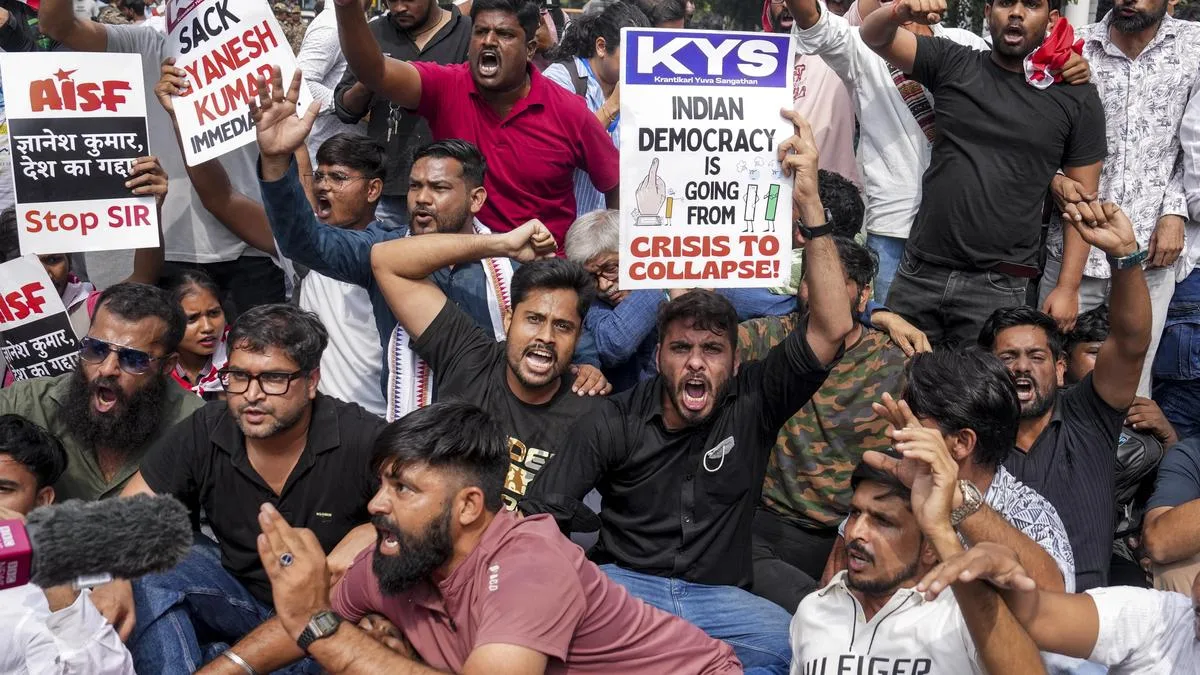
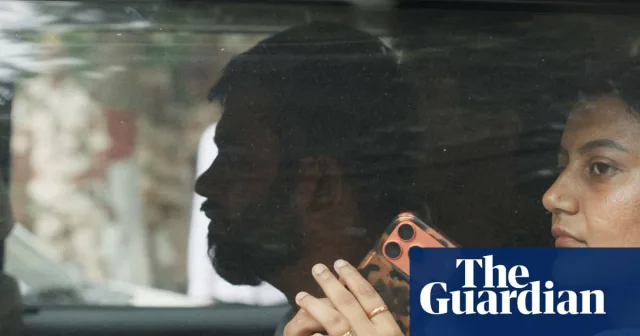
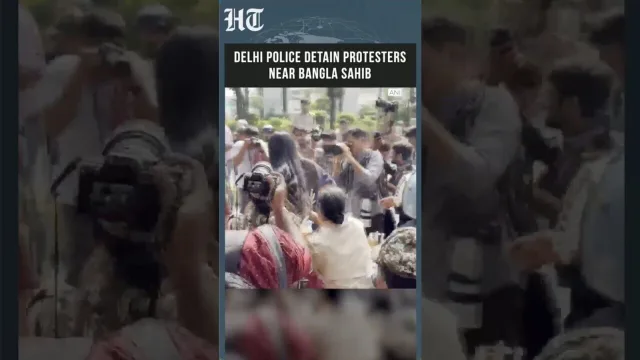
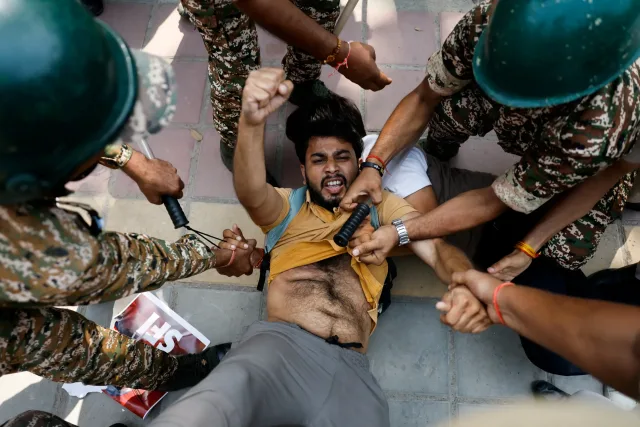
Travelers and commuters in New Delhi encountered heavily guarded metro stations and persistent traffic restrictions on Sunday as the capital reeled from a massive security clampdown. The disruption followed the weekend release of three leaders from the youth-led Cockroach Janta Party, who had been taken into custody immediately upon landing in the city on Saturday to head off a large-scale demonstration. More than 2,000 protesters were detained during Saturday's sweep, which shuttered train services, closed metro stops, and cut mobile internet in parts of the capital to block a rally at Jantar Mantar demanding the ouster of India's election chief.
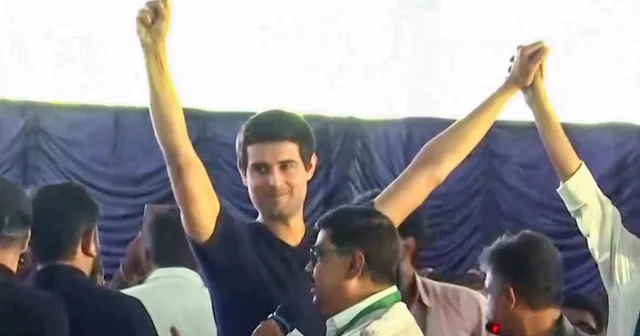
The sudden release of CJP founder Abhijeet Dipke alongside co-leaders Ashutosh Ranka and Saurav Das came after an executive magistrate's court ordered them freed on the condition that they commit no breach of peace for one year. Ratna Singh, the CJP's legal director, confirmed the release conditions on social media, while the movement's official account posted, Cockroaches never die,
on X. Activist and social media influencer Dhruv Rathee, who was pulled from his home during the weekend operation, was also released from detention.
Who is driving the "Cockroach" movement, and what do they demand?
Launched in May by Abhijeet Dipke as a satirical online platform, the CJP has amassed millions of followers and emerged as one of the most formidable political tests for Prime Minister Narendra Modi in his 12 years in power. The movement's rapid ascent builds on a previous victory in July, when CJP-organized protests over exam irregularities forced the resignation of the education minister in a rare climbdown for the governing Bharatiya Janata Party. Now, the group is spearheading demonstrations calling for the resignation of Chief Election Commissioner Gyanesh Kumar over a nationwide voter roll revision.
The election commission has rejected all allegations of wrongdoing, maintaining that the roll revision was purely administrative. Yet the dispute has united opposition factions and youth groups in open defiance of the government. That leaves the Modi administration facing a coordinated challenge that transcends typical parliamentary opposition lines.
How did authorities and police respond to the weekend demonstrations?
The state response to the CJP mobilization involved widespread preventive detentions, travel disruptions, and heavy street policing across Lutyens’ Delhi. On Sunday, youth protesters affiliated with communist student organizations launched sporadic rallies around the city before police hauled them away in vehicles. The All India Students' Association alleged on X that several detainees suffered physical assaults by police inside transport vehicles, though Reuters could not independently verify those claims, and the Delhi Police spokesperson did not respond to requests for comment.
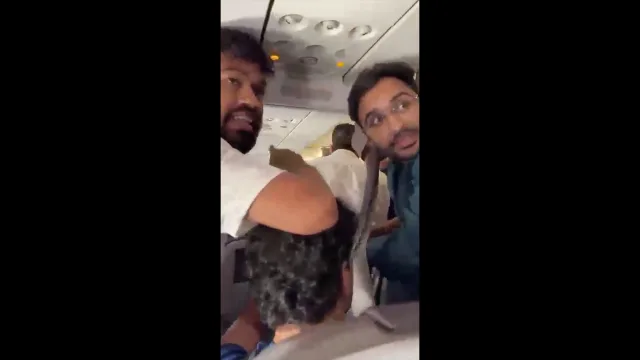
Tensions mounted further after video footage circulated on social media showing four men assaulting a male protester and attacking a female demonstrator during Friday's protests. The Delhi Police arrested all four men on Sunday morning. Pinky Chaudhary, president of the Hindu Raksha Dal, subsequently claimed the arrested individuals belonged to his organization and vowed to protect them. Meanwhile, Punjab Chief Minister Bhagwant Mann condemned the reported entry of Delhi Police personnel into Gurdwara Bangla Sahib on Saturday, accusing them of a Taliban-like attitude
and violating the sanctity of the shrine. The Delhi Police stated that the video of the incident was circulated with malicious intent and announced plans for legal action.
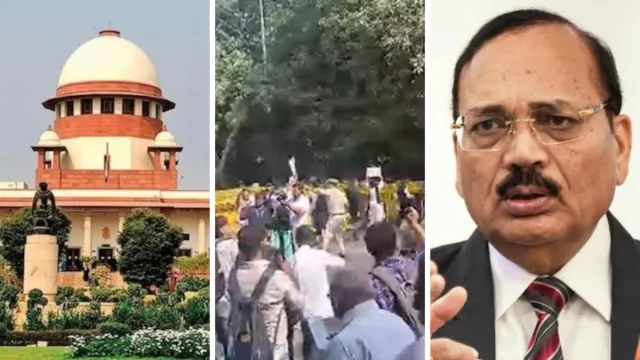
Senior lawyers compared Saturday's clampdown to the 1975 Emergency, prompting the Supreme Court to convene an extraordinary Sunday hearing. The court directed the Union government and Delhi Police to ensure the free movement of traffic, people, and rail services, subject to public law and order. While metro stations reopened on Sunday, a heavy security presence remained at all entry and exit gates.
What are the leaders saying after their release?
Freed from custody, CJP leaders immediately renewed their attacks on the central government and vowed to maintain pressure on the streets. Abhijeet Dipke did not hold back in his assessment of the prime minister, calling Narendra Modi an embarrassment to India
and adding, Never has this country seen a bigger coward and bully.
Speaking to the media after his release, a CJP spokesperson characterized the climate in the capital by stating, In the entire country, there is an open emergency-like situation.
Meanwhile, Abhijeet Dipke stated Haven’t signed any bond
and vowed to hit the streets again
.
International pressure also mounted as the United Nations human rights office in Geneva issued a call for the immediate and unconditional release of all individuals arbitrarily detained in Delhi. Despite the police action, the CJP and political allies signaled that the confrontation is far from over.
What comes next for the protests and the political opposition?
The political fallout from the weekend detentions is set to escalate on Monday, October 12, 2026. The broader opposition coalition known as the INDIA bloc has announced plans for a large protest march in Delhi against Chief Election Commissioner Gyanesh Kumar over the vote chori issue. In addition, a delegation of senior opposition leaders intends to submit a formal memorandum to the Chief Justice of India demanding judicial intervention.
Congress leader Rahul Gandhi signaled the coalition's intent by declaring, Congress and the entire INDIA bloc and the country’s youth will again take to the streets in massive numbers. This time too, the voice will echo across the nation — louder than ever before.
With the CJP vowing to defy restrictions and opposition lawmakers pressing their case in both the courts and the capital, the government faces sustained pressure heading into the new week.
The administration has thus far relied on sweeping police powers and traffic lockdowns to contain the youth movement, but the strategy risks hardening public resentment as opposition parties unify behind the protests on October 12, 2026.