Yemeni government forces claim full control of Bab al Mandeb Strait
Saudi-backed Yemeni forces claim to have recaptured the strategic Bab al-Mandeb Strait from Houthi rebels, though the Houthis deny the advances amid a rising humanitarian crisis.
- Headline: Yemeni government forces claim full control of Bab al Mandeb Strait
- Dispatch Summary: Saudi-backed Yemeni forces claim to have recaptured the strategic Bab al-Mandeb Strait from Houthi rebels, though the Houthis deny the advances amid a rising humanitarian crisis.
- Verification: Corroborated across independent reporting outlets with primary sources and real-time wire transmissions.
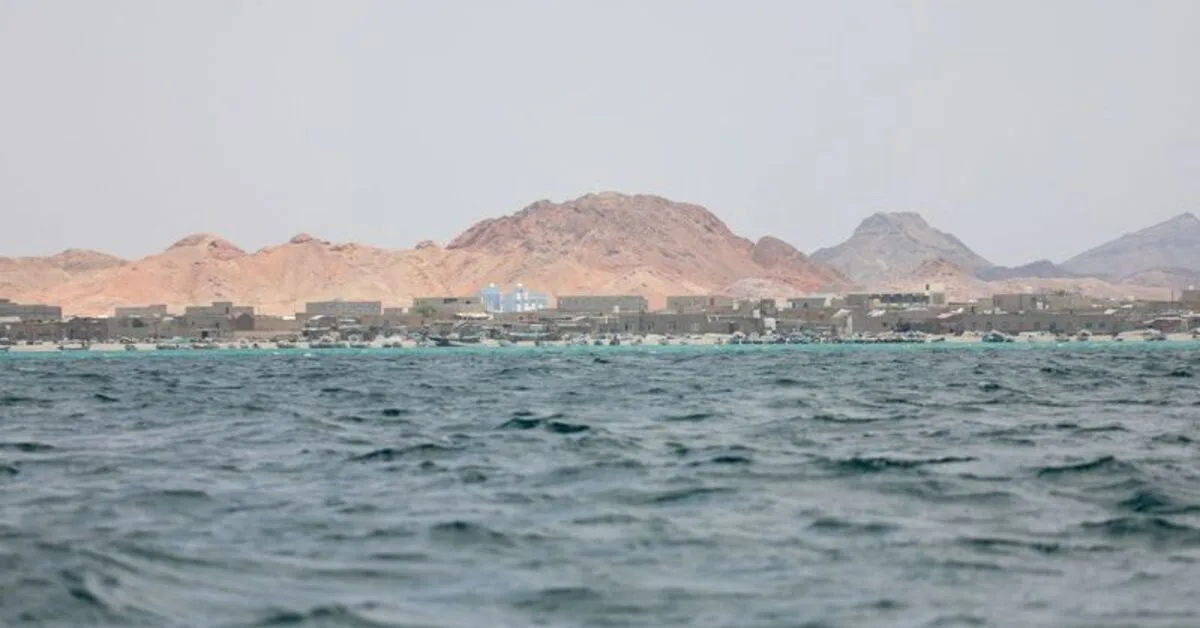
The Yemeni government, supported by Saudi Arabia, has claimed to have recaptured key areas along the Bab al-Mandeb Strait, a critical maritime chokepoint, following a major military offensive against Iran-backed Houthi rebels. The Houthis have denied the advances, describing them as "completely untrue," and warned of retaliatory attacks on Saudi airspace.
Yemeni Forces Push Houthis Back, Claim Strategic Gains
Saudi-backed Yemeni government forces have advanced along the Red Sea coast, recapturing areas around the Bab al-Mandeb Strait, according to reports. The internationally recognized Yemeni government stated that forces had taken control of the strait and Perim Island, a vital oil route. The offensive targeted the Dhubab district, which overlooks the strait, and the port city of Mocha. Government sources reported that Houthi fighters were retreating into highland areas, though the Houthis denied the claims.
Saudi’s military played a central role, deploying 100 fighter jets to provide air support. The Saudi-led coalition claimed to have destroyed hundreds of Houthi targets, including positions near the strait. Yemeni military officials stated that government forces had cut off remaining Houthi positions in the area, with the Dhubab airstrip now under their control. The offensive follows the Houthis’ seizure of the Red Sea coastline last month, which disrupted global shipping and pushed up oil prices.
Houthis Deny Advances, Threaten Retaliation
The Houthis, who have controlled much of Yemen’s population centers since 2014, dismissed the Yemeni government’s assertions as false. A Houthi-run maritime coordination body warned that Saudi airspace would "not be safe" if the offensive continued, citing "aggression" by Saudi-backed forces. The group also threatened to attack aircraft flying over the kingdom, a claim echoed by Houthi-aligned media.
Despite the Yemeni government’s claims, the Houthis reported advances of their own. They captured the town of Turbah near Taiz, a strategic location in southwestern Yemen, and reportedly cut a mountain road, isolating government forces in the area. The group also launched ballistic missiles and drones at Saudi Aramco facilities in Riyadh and the Khurais region, retaliating for Saudi strikes on Houthi positions. The Houthis have long accused Saudi Arabia of targeting their territory and disrupting trade.
Humanitarian Crisis Worsens as Displacement Rises
The renewed fighting has exacerbated Yemen’s humanitarian crisis, with the UN reporting that 184,000 people have been displaced since the conflict resumed. The Houthis’ seizure of the Bab al-Mandeb Strait last month disrupted fuel and goods shipments, worsening shortages. In Taiz, a city of over half a million people, residents faced long lines for fuel and cooking gas as supply chains faltered. The UN migration agency warned that the crisis could deepen further if fighting persists.
The conflict, which began in 2014, has already left millions in need of aid. A four-year ceasefire collapsed in July, triggering a surge in violence. The Houthis’ "maritime embargo" against Saudi Arabia, which included attacks on tankers and airports, further strained regional stability. The Yemeni government has vowed to "liberate" the country from Houthi control, with President Rashad al-Alimi declaring the offensive a step toward "a new dawn of freedom, peace, and stability."
Regional and Global Implications
The battle for the Bab al-Mandeb Strait has broader implications for global energy markets and regional security. The strait, which handles a significant portion of global trade, is vital for oil shipments from the Persian Gulf to Europe and North America. Control over the strait has significant implications for regional security and global energy markets.
The U.S. and its allies have been closely monitoring the situation, with concerns over the spillover of the Iran-Saudi rivalry into Yemen. Saudi Arabia has sought logistical support from regional partners to bolster its campaign against the Houthis, while the U.S. has provided intelligence and targeting assistance. The conflict also intersects with the broader U.S.-Iran standoff, as both sides accuse each other of destabilizing the region.
| Detail | Information |
|---|---|
| Displaced people | 184,000 since conflict resumed |
| Saudi fighter jets deployed | 100 for support in Bab al-Mandeb campaign |
| Yemeni government’s claim | Control of Bab al-Mandeb and Perim Island |
Frequently Asked Questions
What is the strategic importance of the Bab al-Mandeb Strait?
The Bab al-Mandeb Strait is a critical maritime chokepoint, facilitating a significant portion of global trade. It connects the Red Sea to the Gulf of Aden and is vital for oil shipments from the Persian Gulf to Europe and North America. Control over the strait has significant implications for regional security and global energy markets.
How has the conflict affected Yemen’s humanitarian situation?
The renewed fighting has displaced 184,000 people since the conflict resumed, with shortages of fuel, food, and medical supplies worsening. The Houthis’ earlier seizure of the strait disrupted trade, exacerbating the crisis. Taiz, Yemen’s third-largest city, has seen long queues for essential goods, highlighting the deepening humanitarian challenges.
The situation remains fluid, with both sides claiming victories while the humanitarian toll escalates. The next phase of the conflict will likely depend on the sustainability of Saudi-backed Yemeni advances and the Houthis’ ability to maintain pressure on Saudi infrastructure. International observers will be watching closely for signs of a potential de-escalation or further regional spillover.
How significant is this wire dispatch?
Cast your anonymous vote to register reader consensus across journalism and intelligence sectors.
Dateline Wire is dedicated to independent, evidence-backed reporting. This briefing was synthesized from primary source reporting, corroborated across independent newsrooms, and verified against our Editorial Standards.