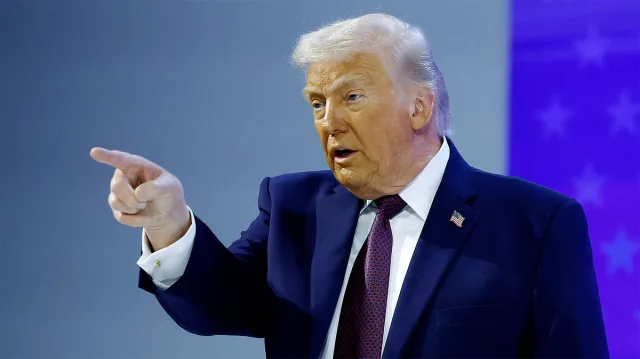
Trump sparks backlash after suggesting Iran could take out LA, San Diego
President Trump faces condemnation from California officials after suggesting Iran could "take out" Los Angeles and San Diego during a rally in Nebraska.
- Headline: Trump sparks backlash after suggesting Iran could take out LA, San Diego
- Dispatch Summary: President Trump faces condemnation from California officials after suggesting Iran could "take out" Los Angeles and San Diego during a rally in Nebraska.
- Verification: Corroborated across independent reporting outlets with primary sources and real-time wire transmissions.
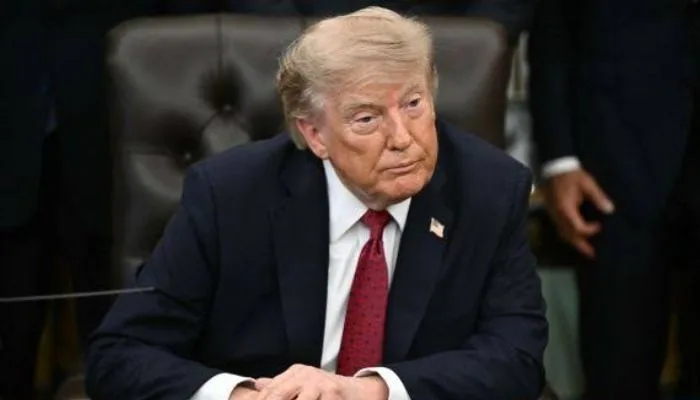
President Donald Trump’s remarks suggesting Iran could "take out" Los Angeles and San Diego during a campaign rally in Nebraska ignited a firestorm of criticism from California leaders and political figures across the spectrum. The comments, made on October 6, 2026, during a speech defending the U.S. war with Iran, were met with swift condemnation from state officials, who accused the president of recklessly endangering American lives and undermining national security.
Trump’s remarks and the immediate backlash
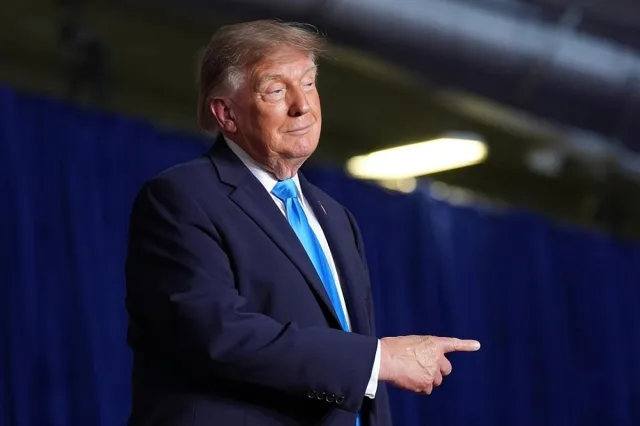
At a rally in Grand Island, Nebraska, Trump framed the ongoing conflict with Iran as a "small price to pay for keeping the world safe," asserting that the war was necessary to prevent Iran from developing nuclear weapons. During the speech, he told the crowd, "They could take out a city. Let ’em take out Los Angeles, let ’em take out San Diego." The remarks, delivered without further clarification, drew cheers from some attendees but triggered outrage in California, where leaders and residents alike condemned the comments as dangerously provocative.
California Governor Gavin Newsom called Trump’s statements "deranged and dangerous," accusing the president of suggesting that foreign adversaries should attack American cities. "After sending the National Guard and Marines to occupy California, Donald Trump is now saying our foreign enemies should ‘take out’ Los Angeles and San Diego," Newsom wrote on social media. Los Angeles Mayor Karen Bass echoed the sentiment, stating that the president’s remarks "could potentially compromise our safety" and violated the fundamental duty of a leader to protect the nation.
San Diego Mayor Todd Gloria also rejected the idea of his city being treated as "collateral damage," declaring, "We are not expendable." The backlash extended beyond Democrats, with Republican congressional candidate Jim Desmond, a Navy veteran from the San Diego area, criticizing Trump for suggesting that any American city could be sacrificed in the name of war.
White House defends Trump’s statements
The White House sought to distance itself from the perception that Trump was endorsing attacks on U.S. cities. Steven Cheung, the White House Communications Director, stated that Trump’s remarks were intended to highlight the necessity of the Iran war to prevent a nuclear-armed adversary from threatening American security. "He was clearly stating U.S. cities would have been threatened if a nuclear Iran hadn’t been stopped," Cheung said, adding that Iran currently "has no nuclear, no navy, no air force, and no money."
Cheung also dismissed the media’s reaction as "not rooted in reality," arguing that the president’s comments were misinterpreted. However, the lack of clarity in Trump’s remarks fueled further scrutiny. The president did not provide specific evidence of Iran’s current capabilities to strike Los Angeles or San Diego, and no public data confirms that Iran possesses the technology to launch ballistic missiles capable of reaching those cities from its territory.
Context of the Iran war and political implications
Trump’s comments came as part of his broader defense of the U.S. war with Iran, which he has framed as essential to preventing the country from acquiring nuclear weapons. During the rally, he claimed the conflict would "end very soon" but offered no timeline or strategy for achieving peace. The war, which has resulted in the deaths of at least 19 U.S. service members, including Nebraska native Noah Tietjens, according to Senator Alex Padilla, has drawn intense scrutiny over its impact on American lives.
The remarks also intersected with broader tensions over the war’s impact on American lives. San Diego, which is home to approximately 230,000 Iranian Americans, and Los Angeles, where over 1.18 million voters supported Trump in the 2024 election, became focal points of the controversy. Despite the political divide, local leaders from both parties condemned the president’s statements, emphasizing the need for leadership that prioritizes safety over political rhetoric.
The backlash intensified as the USS Abraham Lincoln, a key U.S. Navy vessel, prepared to return to San Diego after a prolonged deployment. The timing of Trump’s remarks, just days before the ship’s arrival, added to the sense of urgency among local officials, who warned that such statements could undermine public confidence in national security.
Frequently Asked Questions
What did Donald Trump say about Iran and California cities?
During a campaign rally in Nebraska on October 6, 2026, Trump stated that Iran could "take out" Los Angeles and San Diego, calling it a "small price to pay for keeping the world safe." He made the remarks while defending the U.S. war with Iran, which he argued was necessary to prevent Iran from developing nuclear weapons.
How did California leaders respond to Trump’s comments?
California Governor Gavin Newsom called Trump’s remarks "deranged and dangerous," while Los Angeles Mayor Karen Bass and San Diego Mayor Todd Gloria condemned the idea of U.S. cities being treated as "collateral damage." Local leaders emphasized that a president’s duty is to protect the country, not encourage attacks on American lives.
What is the White House’s stance on Trump’s comments?
The White House denied that Trump was endorsing attacks on U.S. cities, stating he was highlighting the necessity of the Iran war to prevent nuclear threats. White House Communications Director Steven Cheung asserted that Iran currently has "no nuclear, no navy, no air force, and no money," and that the media’s reaction was "not rooted in reality."
The controversy underscores the heightened tensions surrounding Trump’s re-election campaign and the ongoing conflict in the Middle East. As the Nov. 3 election approaches, the president’s remarks have intensified scrutiny over his leadership and the potential consequences of his rhetoric. With California officials and military leaders urging caution, the next steps will depend on how the administration addresses the fallout and whether the war’s trajectory aligns with public safety concerns.