Blanche defends Trump’s White House media ban: ‘It is a privilege, not a…
A federal judge has temporarily restored press credentials for three news outlets after Attorney General Todd Blanche argued that White House access is a privilege.
- Headline: Blanche defends Trump’s White House media ban: ‘It is a privilege, not a…
- Dispatch Summary: A federal judge has temporarily restored press credentials for three news outlets after Attorney General Todd Blanche argued that White House access is a privilege.
- Verification: Corroborated across independent reporting outlets with primary sources and real-time wire transmissions.
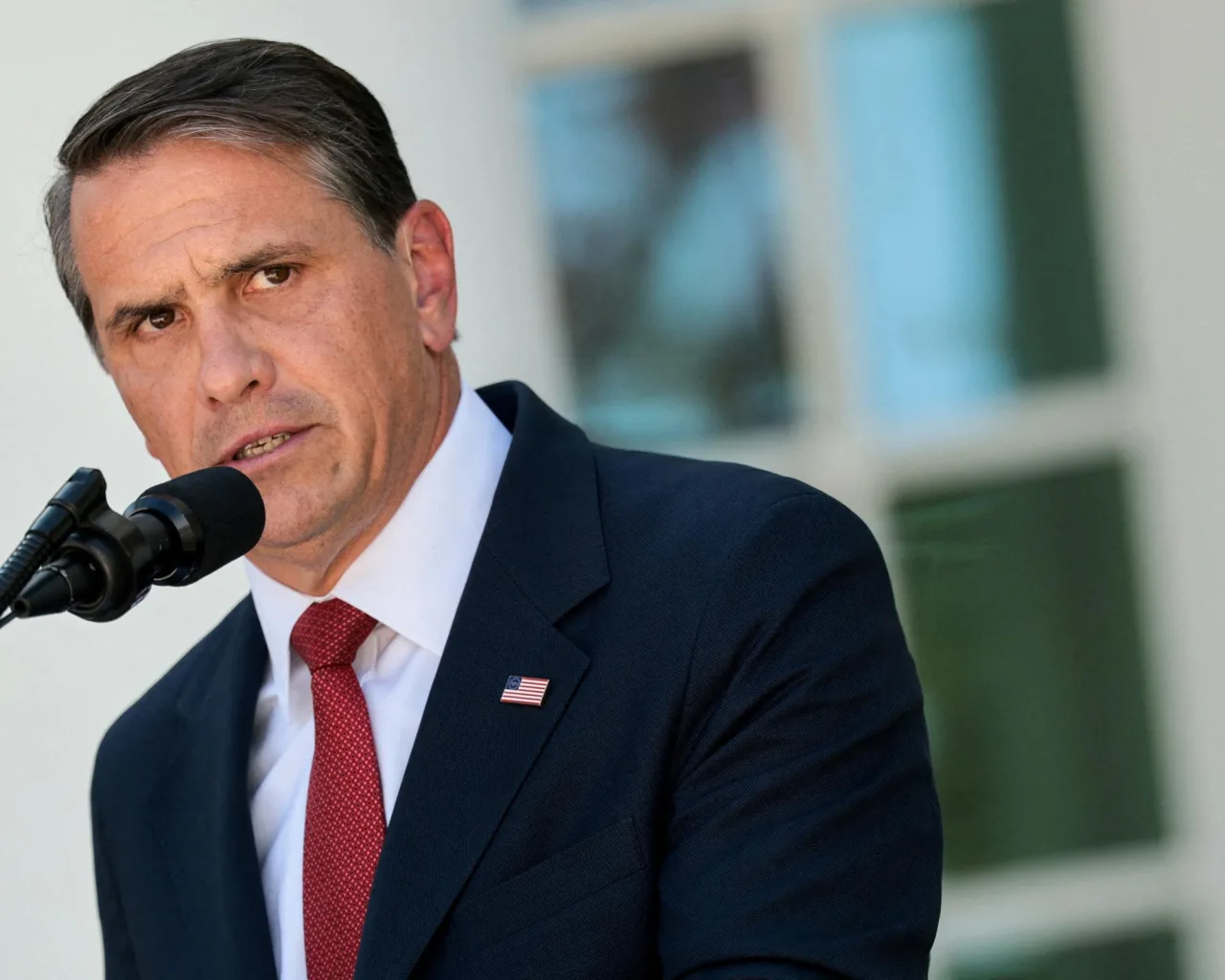
Todd Blanche, attorney general under President Donald Trump, defended the administration’s decision to ban three news outlets from White House access, framing the move as a matter of presidential authority rather than press freedom. The controversy, which has drawn legal and political scrutiny, centers on conflicting claims about the legitimacy of restricting media coverage of the president.
Blanche frames media access as a presidential privilege
In interviews with ABC News, Blanche asserted that the White House’s authority to limit press access is rooted in the idea that “it is a privilege, not a right” to cover the president. He argued that the administration’s actions were justified by what he described as “inaccurate” reporting from CNN, MS Now, and Politico, which Trump had previously banned. “The president was sick and tired of what he considered to be those media outlets’ inaccurate reporting,” Blanche said, though he provided no specific examples of the alleged inaccuracies.
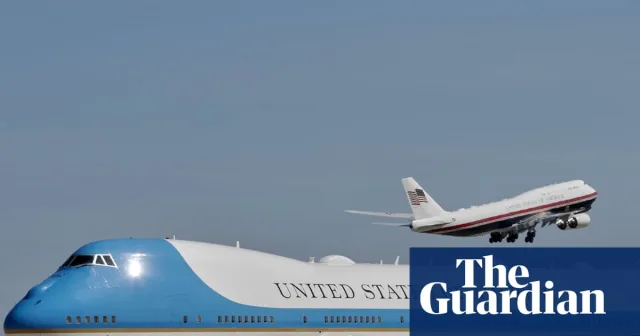
The attorney general also dismissed concerns about the ban’s legality, emphasizing that the White House “routinely decides who can go on Air Force One.” He claimed that the restriction on CNN’s coverage of a recent trip to Tennessee was not a formal ban but a routine decision about press pool assignments. “The president hasn’t denied access,” Blanche insisted. “That’s not the right way to describe it.”
Judge orders temporary restoration of press credentials
A federal judge issued a temporary restraining order on Thursday requiring the White House to restore press credentials for the three banned outlets. The ruling, which granted the affected journalists 14 days of access to the executive complex, did not directly address restrictions on Air Force One travel. However, CNN reported being barred from joining the press pool on the president’s weekend trip to Tennessee, reigniting tensions between the administration and the press corps.
The judge’s decision noted that there was “nothing in the record suggesting that revocation of the press passes was motivated by national security concerns.” This directly contradicted Blanche’s assertion that the ban was tied to “national security problems” stemming from “false and defamatory” reporting. Trump himself had previously cited negative coverage as the reason for the ban, stating that outlets “purposely write negative news” to undermine his administration.
Historical shift in press access protocols
The dispute reflects a broader shift in how presidential travel coverage is managed. Prior to Trump’s second term, the White House Correspondents’ Association and broadcast networks collectively determined which journalists accompanied the president. After Trump returned to office in 2025, the administration took control of these decisions, leading to increased access for outlets aligned with the administration’s views. Blanche defended this change, stating that the president’s team “decides which reporters get to travel with the president” as part of their authority.
CNN’s media analyst Brian Stelter highlighted the inconsistency, noting that the White House had approved the network’s credentials for a National Archives event but later restricted its coverage. The press pool system, designed to ensure continuous public access to presidential activities, has become a flashpoint in the conflict over media access.
Public trust in media remains low
The controversy occurs amid persistently low public trust in news organizations. A 2025 Gallup survey found that only 28% of Americans expressed “a great deal” or “fair amount” of trust in newspapers, television, and radio to report the news “fully, accurately, and fairly.” Meanwhile, Trump’s approval rating stood at 32% in a recent Reuters/Ipsos poll, marking an all-time low for the president.
Former President Bill Clinton weighed in on the debate, acknowledging that he had “lots of times” wanted to restrict the press but emphasized the importance of constitutional safeguards. “There’s a reason we have a constitution,” he said at the Clinton Global Initiative 2026 summit. “None of us are immune from being pissed off, but these people shouldn’t [ban the press]. The law should be what it is.”
| Detail | Information |
|---|---|
| White House press ban start date | 19 September 2026 |
| Temporary restoration period | 14 days |
| Trump’s public approval rating | 32% (Reuters/Ipsos, 2026) |
| Public trust in news media | 28% (Gallup, 2025) |
Frequently Asked Questions
Why did the White House ban CNN, MS Now, and Politico?
The administration cited “inaccurate” reporting and negative coverage as reasons for the ban. Attorney General Todd Blanche claimed the outlets’ “wholly and completely, almost 100 percent negative” reporting was unacceptable, though he provided no specific examples.
Did the court order address all aspects of the media ban?
No. A federal judge temporarily restored press credentials for the banned outlets but did not directly address restrictions on Air Force One travel. The ruling focused on access to the White House grounds, not the president’s plane.
What is the significance of the press pool system?
The press pool ensures continuous coverage of the president by rotating journalists. It was historically managed by the White House Correspondents’ Association, but the Trump administration took control of these decisions, leading to disputes over access and neutrality.
The legal and political battle over press access is far from resolved. With the midterm elections approaching, the conflict underscores deeper tensions between executive authority and journalistic accountability. As the administration and media continue to clash, the next steps will likely depend on how courts interpret the balance between presidential discretion and constitutional protections for free speech.
How significant is this wire dispatch?
Cast your anonymous vote to register reader consensus across journalism and intelligence sectors.
Dateline Wire is dedicated to independent, evidence-backed reporting. This briefing was synthesized from primary source reporting, corroborated across independent newsrooms, and verified against our Editorial Standards.